1, Definition and Basic Concepts
LED lamp: LED lamp is an electric light based on LED technology, which is essentially a specific light source that emits light. LED lights can be integrated, semi integrated, or non integrated, with at least one lamp head for converting electrical energy into light energy. Common LED lights include LED bulbs, straight tube LED lights, etc., which can directly replace traditional incandescent lamps, single ended fluorescent lamps, or double ended fluorescent lamps.
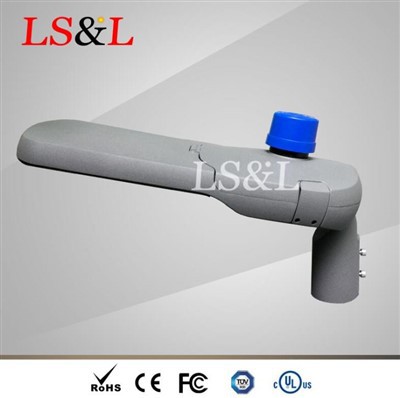
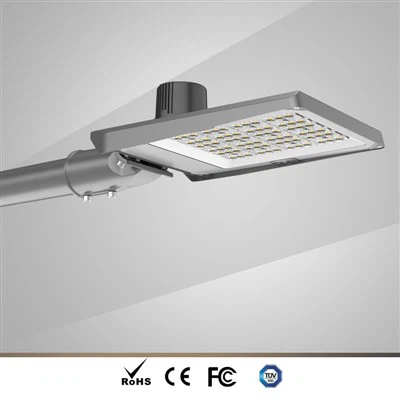
LED lighting fixtures: LED lighting fixtures are designed as lighting devices that contain at least one LED light source. It not only includes LED light source, but also necessary accessories such as driving power supply, lampshade, reflector, terminals, lamp holder, wires, switches, etc. LED lighting fixtures achieve lighting effects by reasonably allocating, transmitting, or changing the light emitted by LED light sources.
2, Structure and Function
Structural difference: As a light source, LED lights have a relatively simple structure, mainly composed of LED chips, heat sinks, lenses, and other parts. LED lighting fixtures are a complete lighting system that includes multiple parts such as light sources, power supplies, control devices, and enclosures. The construction of LED lighting fixtures is more complex, aiming to provide a more comprehensive and efficient lighting solution.
Functional difference: The main function of LED lights is to emit light and provide the necessary illumination. LED lamps not only have the function of emitting light, but also have additional functions such as controlling light distribution, adjusting light brightness, and protecting light sources. LED lighting fixtures achieve precise control and efficient utilization of light through reasonable optical and circuit design.
3, Usage and Installation
Usage: LED lights are usually used as independent light sources, which can be directly installed on the lamp holder of the lamp or connected to the power supply through adapters and other devices. LED lighting fixtures are a complete lighting device, and users only need to install them in the appropriate position and turn on the power to achieve the lighting effect.
Installation requirements: Due to the fact that LED lighting fixtures contain more accessories and components, more attention to details and safety is required during the installation process. For example, it is necessary to ensure that the lighting fixtures are firmly fixed, the power cords are connected correctly, and the heat dissipation system operates well. In contrast, the installation of LED lights is relatively simple and fast.
4, Market application and selection
Market application: LED lights and fixtures are widely used in the market. LED lights are widely used for indoor lighting in homes, offices, shops, and other places due to their high efficiency, energy saving, environmental friendliness, and health benefits. LED lighting fixtures are widely used in various fields such as commercial displays, landscape lighting, and automotive lighting due to their diverse designs and functions.
Suggestion for selection: When choosing LED lights or LED fixtures, users should consider comprehensively based on their actual needs and usage scenarios. For example, in situations where frequent replacement of light sources is required, LED lights that are easy to replace can be chosen; For occasions that require specific lighting effects, LED lamps with corresponding functions can be selected. In addition, users should also pay attention to factors such as product quality, performance, price, and after-sales service to ensure that they choose products with high cost-effectiveness.