Company Profile
Luxsky Lighting Co., Ltd is a high-tech enterprise of mainly focusing on LED lighting products' R&D, production and sales, whose factory locates in the industrial center zone for international LED lighting design and development, lighting trades in Shenzhen. Fast high-tech development, facilitated traffic and beautiful landscape.
With its rapid development in these years, luxsky lighting has imported and adopted new advanced equipments, expended the Plant; big and clean offices,professional research and sales environments, attract many young people to join us to make Luxsky more powerful and fresh, as well as, Luxsky will be a helpful place for these young people to realize their dreams.
Why choose us?
High quality
Our products are manufactured or executed to very high standards, using the finest materials and manufacturing processes.
Customized services
Our team of experts will work closely with you to understand your needs and will provide solutions that are tailored to meet your expectations.
24H Online Service
We try and respond to all concerns within 24 hours and our teams are always at your disposal in case of any emergencies.
Quality control
We have professional personnel to monitor the production process, inspect the products and ensure that the final product meets the required quality level standards, guidelines and specifications.
-
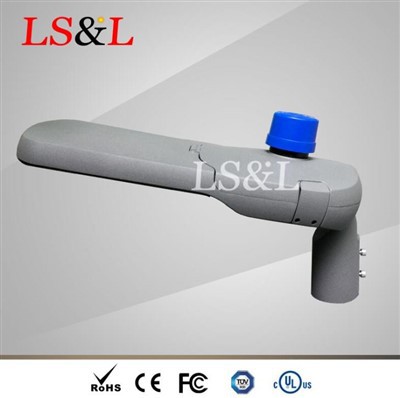
![Lumileds 3030 LED Street Lights]() Lumileds 3030 LED Street LightsLED Street Lights with daylight sensor function for 50W,100W, 120W,150W, 200W, which is new design and more smart street lights,to meet the development of smart road lighting system and also...view more
Lumileds 3030 LED Street LightsLED Street Lights with daylight sensor function for 50W,100W, 120W,150W, 200W, which is new design and more smart street lights,to meet the development of smart road lighting system and also...view more -
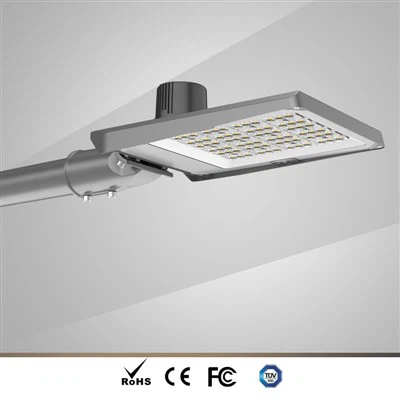
![LED Street Light Fixture - Intelligent Light Control System]() LED Street Light Fixture - Intelligent Light Control SystemRoads, residential areas, scenic spots, parks, etc. are suitable for various places.view more
LED Street Light Fixture - Intelligent Light Control SystemRoads, residential areas, scenic spots, parks, etc. are suitable for various places.view more -
![led light bulbs for street light]() led light bulbs for street lightThe external integrated power supply is a revolutionary power solution. Centered on the lifecycle management of the lamps, it redefines the role of the power supply, upgrading from a single...view more
led light bulbs for street lightThe external integrated power supply is a revolutionary power solution. Centered on the lifecycle management of the lamps, it redefines the role of the power supply, upgrading from a single...view more -
![LED City Street Light]() LED City Street LightThe technology is becoming more and more mature, and the efficiency of the light source has reached more than 100lm/W, which makes the energy-saving renovation of urban street lighting possible....view more
LED City Street LightThe technology is becoming more and more mature, and the efficiency of the light source has reached more than 100lm/W, which makes the energy-saving renovation of urban street lighting possible....view more -
![400W High Power LED Modular Street Lights]() 400W High Power LED Modular Street LightsHigh Power LED Modular Street Lights are a top quality street light series of Luxsky Lighting, the power can arrive to 400W. which is fitful high quality street lighting projects in high speed...view more
400W High Power LED Modular Street LightsHigh Power LED Modular Street Lights are a top quality street light series of Luxsky Lighting, the power can arrive to 400W. which is fitful high quality street lighting projects in high speed...view more -
![LED Street Lights With Daylight Sensor]() LED Street Lights With Daylight SensorLED Street Lights with daylight sensor function for 50W,100W, 120W,150W, 200W, which is new design and more smart street lights,to meet the development of smart road lighting system and also...view more
LED Street Lights With Daylight SensorLED Street Lights with daylight sensor function for 50W,100W, 120W,150W, 200W, which is new design and more smart street lights,to meet the development of smart road lighting system and also...view more -
![LED High Power Post-Top Garden Yard Scenery Lights With CE And RoHs Certificate]() LED High Power Post-Top Garden Yard Scenery Lights With C...LED Post Top lights IP66, it also can be called LED garden or Yard Lights, which are designed by Luxsky lighting with its own private mould.From 50W to 300W, 120lm/W with high quality design and...view more
LED High Power Post-Top Garden Yard Scenery Lights With C...LED Post Top lights IP66, it also can be called LED garden or Yard Lights, which are designed by Luxsky lighting with its own private mould.From 50W to 300W, 120lm/W with high quality design and...view more -
![240W Waterproof IP66 Outdoor Public Lighting LED Street Lights With Color Temperature 3000K/4000K/5000K/6000K]() 240W Waterproof IP66 Outdoor Public Lighting LED Street L...240W LED Street lights/outdoor road lamp, IP66 rate and IK08, part No.: LS-13-SL-240W-II, is a module type LED street lights which are designed by our Research and Development department, high...view more
240W Waterproof IP66 Outdoor Public Lighting LED Street L...240W LED Street lights/outdoor road lamp, IP66 rate and IK08, part No.: LS-13-SL-240W-II, is a module type LED street lights which are designed by our Research and Development department, high...view more -
![200W IP66 Waterproof LED Street Lights With High Lumens LED 3030, 5 Years Guarantte]() 200W IP66 Waterproof LED Street Lights With High Lumens L...200W LED Street lights,outdoor road lamp, IP66,part No.: LS-13-SL-200W-II, is a module type LED street lights which are designed by our R&D department, high power and high lumens >120lm per watts,...view more
200W IP66 Waterproof LED Street Lights With High Lumens L...200W LED Street lights,outdoor road lamp, IP66,part No.: LS-13-SL-200W-II, is a module type LED street lights which are designed by our R&D department, high power and high lumens >120lm per watts,...view more -
![150W IP66 Waterproof LED Road Lamp With 3030 Lumileds High Power CE& RoHs,meanwell Driver]() 150W IP66 Waterproof LED Road Lamp With 3030 Lumileds Hig...150W outdoor LED Street lights,called LED road lamp or LED outdoor road lights,part No.: LS-13-SL-150W-II, is a module type LED street lights which are designed by our R&D department, high power...view more
150W IP66 Waterproof LED Road Lamp With 3030 Lumileds Hig...150W outdoor LED Street lights,called LED road lamp or LED outdoor road lights,part No.: LS-13-SL-150W-II, is a module type LED street lights which are designed by our R&D department, high power...view more -
![100W LED Street Lights With IP66 Waterproof 120lm/W, Eco-friendly & Energy Saving]() 100W LED Street Lights With IP66 Waterproof 120lm/W, Eco-...100W LED Street lights,called LED road light or LED outdoor lights,part No.: LS-13-SL-100W-II, is a module type LED street lights which are designed by our R&D department, high power and high...view more
100W LED Street Lights With IP66 Waterproof 120lm/W, Eco-...100W LED Street lights,called LED road light or LED outdoor lights,part No.: LS-13-SL-100W-II, is a module type LED street lights which are designed by our R&D department, high power and high...view more -
![50W LED Street Lights With 130lm/W, 3000K, 4000K, 5000K, 6000K]() 50W LED Street Lights With 130lm/W, 3000K, 4000K, 5000K, ...LED Street lights 50W,also called LED road light or outdoor lights, garden light, LS-13-SL-50W-II, is a module type LED street lights which are design by our R&D department, high power and high...view more
50W LED Street Lights With 130lm/W, 3000K, 4000K, 5000K, ...LED Street lights 50W,also called LED road light or outdoor lights, garden light, LS-13-SL-50W-II, is a module type LED street lights which are design by our R&D department, high power and high...view more


What is LED Street Light?
A LED street light is a lighting fixture designed specifically for illuminating roads and streets. It uses light emitting diodes (LEDs) as the source of light. LED street lights have become increasingly popular as a more energy-efficient and cost-effective lighting solution compared to traditional street lights that use outdated technologies like high-pressure sodium (HPS) and metal halide (MH).
LEDs consume less energy and operate at lower temperatures, requiring less maintenance and replacement costs over time. LED street lights also have a longer lifespan and can provide better color rendering than traditional street lights. They are also environmentally friendly, as they don't contain any hazardous materials such as mercury or lead.
Benefits of LED Street Light
Energy efficiency
One of the primary benefits of LED street lights is greater energy efficiency. LED lighting uses significantly less electricity than traditional lighting sources, which translates to reduced energy bills and lower greenhouse gas emissions.
Longevity
LED street lights have a longer lifespan compared to traditional light bulbs. They can last up to 50,000 hours or more, which means less frequent maintenance and replacements, and less waste going to landfill sites.
Brightness
LED street lights are much brighter than traditional lighting sources. They provide consistent, clear lighting and enhance visibility on streets, reducing the risk of accidents and crime.
Durability
LED street lights are highly durable and resistant to shock and vibration. This makes them an ideal solution for outdoor lighting, where harsh weather conditions and environmental factors can take a toll on traditional lights.
Environmental protection
Switching to LED street lights is a significant step towards protecting the environment. By using less electricity, these lights reduce the need for fossil fuels for energy production, which greatly improves the air quality in urban areas.
Cost savings
Although LED street lights may have higher initial costs, they are associated with lower maintenance and operational costs in the long run. This makes them a more cost-effective solution in the long term.
Better color rendering
LED street lights offer better color rendering than traditional lighting sources, which means that it is easier to distinguish different colors. This can help to improve the visibility of road markings and signs, which can reduce road accidents.
Types of LED Street Light


Cobrahead lights
Cobrahead lights are the most commonly used type of LED street light. They are named after the cobra-like shape formed by the fixture. Cobrahead lights are ideal for illuminating roads, highways, and parking lots. They have a long lifespan and require less maintenance than traditional high-pressure sodium lights.
Floodlights
Floodlights are designed to provide wide and uniform illumination over a large area. They are commonly used to light up sports fields, parking lots, and other outdoor areas. Floodlights are available in different sizes and wattages, and they can be mounted on poles, walls, or ceilings.
Wall packs
Wall packs are compact LED fixtures that are mounted on walls or ceilings. They are commonly used to illuminate building exteriors, car parks, and walkways. Wall packs are available in different sizes and wattages, and they can be controlled by sensors or timers to save energy.
Area lights
Area lights are used to light up large outdoor areas such as parking lots, sports stadiums, and airports. They are designed to provide a wide and uniform distribution of light, and they can be mounted on poles or ceilings. Area lights are available in different sizes and wattages to suit a variety of applications.
Solar street lights
Solar street lights are an eco-friendly lighting solution that uses solar panels to harness energy from the sun. These lights are ideal for remote areas where there is no access to electricity. Solar street lights are available in different sizes and wattages and can be controlled by sensors or timers to save energy.
LED street lights are made using a variety of materials to ensure durability, efficiency, and long-lasting performance. The primary materials used in the construction of LED street lights are aluminum, polycarbonate, and tempered glass.
Aluminum is a popular material for LED street light fixtures because it is lightweight, strong, and corrosion-resistant. It can withstand harsh weather conditions, UV light, and extreme temperatures. Aluminum fixtures are also easy to install, maintain, and repair.
Polycarbonate is a thermoplastic material that is used in the manufacturing of LED street light covers and lenses. It is highly resistant to impact and is virtually shatterproof, making it ideal for outdoor applications where vandalism or weather conditions may occur. Polycarbonate is also lightweight and has high transparency, allowing maximum light to pass through.
Tempered glass is another common material used in LED street light coverings. It is a type of safety glass that is designed to break into small, rounded pieces instead of sharp shards in case of damage or breakage. Tempered glass provides high resistance to impacts, heat, and chemicals, making it ideal for outdoor lighting applications.
In addition to these materials, LED street lights also incorporate electronic components, such as LED chips, driver circuits, and power supplies. LED chips are made of semiconductor materials, such as gallium nitride (GaN) or indium gallium nitride (InGaN), which emit light when an electric current is passed through them. Driver circuits regulate the voltage and current delivered to the LEDs, and power supplies convert the electrical energy from the grid into the appropriate voltage for the LED lights.
Application of LED Street Light
Roadways
LED street lights are commonly used to illuminate roadways, including city streets, country roads, and highways. They provide bright and efficient lighting that enhances visibility and safety for motorists and pedestrians.
Public spaces
LED street lights are also used to illuminate public spaces such as parks, plazas, and outdoor recreational areas. They provide bright and even lighting that creates a safe and welcoming environment for visitors.
Parking lots
LED street lights are commonly used to illuminate parking lots and garages. They provide bright and efficient lighting that enhances visibility and safety for drivers and pedestrians.
Sidewalks
LED street lights are often used to illuminate sidewalks and pedestrian areas. They provide bright and even lighting that enhances visibility and safety for pedestrians, particularly in areas with low light levels.
Industrial areas
LED street lights are also used in industrial areas, where they provide bright and durable lighting that is suitable for harsh environments and heavy machinery.
Residential areas
LED street lights are commonly used in residential areas to provide safe and efficient lighting for residents. They are often used in conjunction with other outdoor lighting fixtures, such as security lights and landscape lights.
Smart cities
LED street lights are increasingly being used in smart cities, where they can be integrated with sensors and other technologies to provide intelligent lighting that enhances energy efficiency and safety.
Process of LED Street Light
PCB design and fabrication
First, the printed circuit board (PCB) is designed, which is the base for the electrical circuitry of the LED street lights. Then, the design is transferred to a computer-aided manufacturing (CAM) system, which fabricates the PCB.
Soldering
The electronic components are mounted to the PCB, such as the LED chips, resistors, and capacitors, through a process called SMT (Surface Mount Technology) or THT (Through Hole Technology). SMT involves placing the tiny components on the PCB and reflow soldering them using specialized machinery. THT, on the other hand, involves drilling holes through the PCB and inserting the components through them before soldering them.
Housing design and manufacturing
The housing of the LED street light is designed using computer-aided design (CAD) software. Afterward, the design is sent to a 3D printer or plastic injection molding machine for manufacturing.
Lens design and production
The lenses that cover the LEDs are also designed using CAD software and then fabricated using injection molding techniques.
Assembly
The various components of the LED street light, such as the PCB, housing, and lenses, are assembled together. The wiring is connected, and the LEDs are installed to complete the assembly.
Quality testing
Every LED street light undergoes rigorous quality testing. The testing involves checking its temperature, luminance, and color temperature. Also, the power efficiency and lifespan are determined.
Components of LED Street Light
LED chips
This is the light source of the LED street light. There are several LED chips installed in the street light to produce bright light to illuminate the area.
LED driver
The driver is an important component that controls the voltage, current and power supplied to the LED chips. It regulates the input power supply and maintains the constant output voltage to ensure maximum efficiency and longevity of the LED chips.
Heat sink
LED lighting generates heat which can affect the efficiency and performance of the LED chips. The heat sink is commonly made of aluminium or copper, it transfers the heat from LED chips to the surrounding air. This helps to maintain the temperature of the LED chips and prolong their lifespan.
Optic lens
The optic lens is responsible for distributing the light uniformly across the road or street. It helps to focus and control the spread of light, which reduces energy waste and glare.
Housing
The housing is the body of the LED street light that protects the components from harsh environmental conditions such as rain, humidity, and dust. It is usually made up of a rugged and durable material as it should withstand adverse weather conditions.
Motion sensor
It detects the movement of vehicles, people or animals. With the help of motion sensors, LED street lights can reduce energy consumption by dimming the lights when no one is present and increasing the brightness when anyone is nearby.
Solar panel
This is optional, but if present, it is used to harness the power of the sun and convert it into electrical energy. This helps to reduce the energy consumption of the LED street light.
Control system
These are software and hardware components that are responsible for the on/off function of the LED street light. With the help of a control system, an entire network of LED street lights can be monitored, analyzed and controlled from one central location.
How LED Street Light Work
LED street lights work by using light-emitting diodes (LEDs) to produce light that is then directed downwards onto the road surface. Here's a simplified explanation of how LED street lights work:
Power source: The LED street light is connected to an electrical grid or a solar power system (in the case of solar-powered LED street lights) that provides it with the required electrical energy to operate.
LED array: The LED street light contains an array of LEDs that are mounted on a circuit board within the light fixture. LEDs are semiconductor devices that emit light when an electric current is passed through them.
Driver/power supply: A driver or power supply unit is used to regulate the flow of electricity to the LEDs, ensuring that they receive the correct amount of power to operate safely and efficiently.
Lens/diffuser: LED street lights often have a lens or diffuser that spreads out the light evenly, preventing hotspots and reducing glare.
Photocell: A photocell (or light sensor) is typically integrated into the LED street light to automatically turn the light on when darkness falls and turn it off when daylight returns. This helps conserve energy and extends the lifespan of the LEDs.
Controls: Some LED street lights may be equipped with advanced controls, such as dimming functionality or smart city integration, allowing for remote monitoring and control of the lights.
Heat sinks: LED lights produce some heat during operation, and heat sinks are often incorporated into the design of the light fixture to dissipate this heat, preventing overheating and extending the life of the LEDs.
LED street lights offer several advantages over traditional street lighting technologies, including energy efficiency, long lifespan, reduced maintenance costs, and improved light quality. They are increasingly used in urban and rural settings to provide safe and reliable lighting for roads, streets, and other public spaces.
How to Maintain LED Street Light?
Regular cleaning
Dust, grime, and other environmental factors can accumulate on your LED street lights over time. It's necessary to clean them frequently to eliminate dirt and prolong their life span. A cleaning schedule of once in six months would be ideal for better illumination.
Inspect regularly
It’s also essential to inspect your LED street lights regularly to detect any faults. Make sure to check for loose screws, corrosion, and damaged equipment. This can be done by visual inspections, as well as by using specialized tools such as a multimeter to test electrical connections.
Replace faulty parts
After identifying any faults, you should replace any faulty parts as soon as possible. This can help to prevent further damage or safety hazards.
Maintain optimal temperature
The ideal temperature range for LED street lights is between -40°C and 80°C. Keep track of the temperature by using a thermometer. It is essential to maintain this range to extend the life of your LED street lights.
Power quality
Check for any power quality issues and ensure that LED street lights are connected to a stable power source. Voltage fluctuations can cause damage to LED lighting systems.
Consult with manufacturers
In case of issues related to installing LED street lights, it's best to consult with the manufacturer. They can provide you with a detailed maintenance plan and help you address any problems.
How to Choose LED Street Light
LED street lights come in different brightness levels measured in lumens. The brightness you need depends on the size of the area to be illuminated and the height of the light pole.
The color temperature of LED street lights refers to the hue of the light. It is measured in Kelvin (K) and ranges from warm (2700K-3000K) to neutral (4000K-5000K) to cool (5000K-6500K) white. The choice should depend on the application because different color temperatures create different moods and can affect visibility.
The wattage refers to the power consumed by LED street lights. It is essential to select a wattage that meets the illumination requirements of the area while minimizing energy consumption.
When selecting LED street lights, it is important to make sure that the fixtures are of high quality to minimize maintenance and replacement costs.
Outdoor lighting fixtures are exposed to harsh conditions, such as extreme weather conditions, impacts, and vibrations. Therefore, it is crucial to choose street lights that are durable and built to withstand tough outdoor environments.
LED street lights can be equipped with smart features such as motion sensors and remote control systems. These features help to save energy and reduce maintenance costs by turning lights on or off based on certain conditions.
LED street lights have higher initial costs than traditional lighting fixtures. However, it is important to consider the overall lifecycle costs of LED street lights versus other alternatives, taking into account energy savings, maintenance and replacement costs, and environmental impact.
Certifications


Our Factory
With its rapid development in these years, luxsky lighting has imported and adopted new advanced equipments, expended the Plant; big and clean offices,professional research and sales environments, attract many young people to join us to make Luxsky more powerful and fresh, as well as, Luxsky will be a helpful place for these young people to realize their dreams.


FAQ
Welcome to wholesale the high quality and energy saving led street light made in China from our factory. We're one of the professional led street light manufacturers and suppliers in China. We can assure you of its good quality and reliable performance.