As urbanization continues to accelerate, urban lighting has become an essential component of modern city life. However, with the increasing demand for urban lighting, the problem of light pollution has also become a growing concern. Traditional street lighting not only wastes a significant amount of energy but also has negative impacts on the surrounding environment, ecosystems, and human health. To address this issue, LED street lights have emerged as an important solution to reduce light pollution. In this article, we will explore how LED street lights help reduce urban light pollution and why they are considered the best choice for future city lighting.
1. The Impact of Light Pollution
Light pollution refers to the excess artificial light that interferes with the natural environment, especially at night. Excessive lighting not only disrupts human rest but also has a profound effect on the growth, migration, and reproduction of plants and animals. The impacts of light pollution can be categorized as follows:
- Skyglow: Also known as the "light halo" effect, this refers to the scattering of light in the atmosphere, making the natural starlight appear blurry, or even invisible. This phenomenon not only affects astronomical observations but also disrupts ecological balance.
- Light Spill: This is when light is emitted into areas that do not require illumination, resulting in energy waste. For example, traditional street lights often emit light that illuminates areas such as the sky or rooftops, which do not need lighting.
- Biological Effects: Many nocturnal animals rely on natural darkness to forage and breed, and excessive lighting disrupts their natural patterns. For instance, some birds and insects change their migration or breeding cycles due to light pollution, or even die because of it.
- Human Health: Prolonged exposure to excessive light can lead to insomnia, anxiety, depression, and other health issues. Studies have shown that light pollution interferes with the human circadian rhythm, disrupting normal sleep patterns, particularly in urban areas.
2. Light Pollution Issues in Traditional Street Lighting
Traditional street lighting typically uses sodium lamps or halogen lamps, which are often inefficient, scatter light, and waste energy. Specifically, these conventional light sources emit large amounts of light spill, which illuminates unnecessary areas like the night sky, building rooftops, and other non-essential locations. This not only increases energy consumption but also exacerbates light pollution.
- Light Scattering: Traditional lighting fixtures do not have proper light directionality, causing the light to scatter into surrounding, unlit areas. This results in a significant amount of wasted light that doesn't serve its intended purpose.
- Lack of Adjustability: Traditional street lights often lack intelligent control systems, meaning they cannot automatically adjust their brightness based on environmental or traffic conditions, making it impossible to reduce unnecessary light pollution effectively.
- Energy Waste: Conventional lamps are often not optimized for energy efficiency, causing excessive lighting even in sparsely populated areas or during times when vehicles and pedestrians are few. This results in wasted energy and increased light pollution.
3. How LED Street Lights Reduce Light Pollution
LED street lights are an advanced lighting solution that uses semiconductor materials to convert electrical energy into light. Compared to traditional sodium and halogen lamps, LED street lights offer numerous advantages, especially in reducing light pollution. Specifically, LED street lights help reduce light pollution in the following ways:
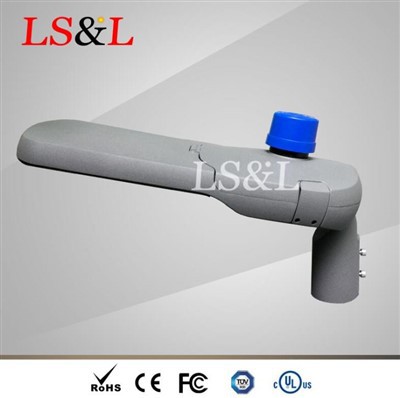
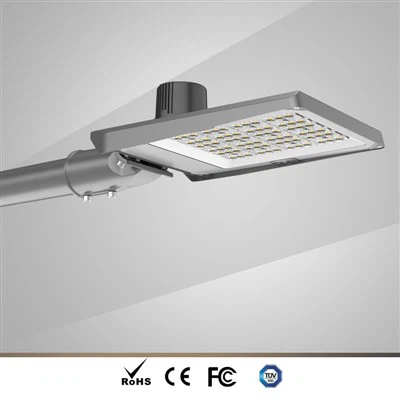
- Light Directionality: Unlike traditional light sources, LED street lights emit more focused beams of light, accurately illuminating roads and sidewalks while reducing unnecessary light spill. For instance, LED street light bulb designs are engineered to direct light to the intended areas, preventing excessive illumination in unwanted zones such as the sky or nearby buildings.
- Energy Efficiency: LED street lights are highly efficient, producing more light per unit of energy consumed. As a result, they reduce energy consumption, indirectly decreasing light pollution. With LED street light bulbs, less energy is required to generate the same amount of illumination, which means less light spill and reduced environmental impact.
- Intelligent Control Systems: Many modern LED street lights are equipped with intelligent control systems that automatically adjust brightness based on traffic flow or environmental conditions. For example, during periods of low traffic, smart led street light systems can automatically dim the lights, cutting down on unnecessary illumination. This energy-efficient approach not only reduces light pollution but also ensures optimal lighting conditions in urban environments.
- Adjustable Color Temperature: LED street lights offer adjustable color temperatures, which can be customized based on specific needs. High color temperatures can cause harsh lighting that exacerbates light pollution, while lower color temperatures provide softer, more comfortable lighting, helping to minimize the impact on the surrounding environment. LED light street lamp designs often include features that allow for precise control of the color temperature to ensure optimal illumination without contributing to light pollution.
4. The Role of Smart LED Street Lights in Light Pollution Control
With increasing urban demand for intelligent and automated management systems, smart LED street lights have emerged as a highly effective solution for reducing light pollution. These lights combine the energy efficiency of LED street lights with the power of intelligent control systems, offering more precise control over street lighting. The use of smart LED street light systems offers the following advantages in light pollution reduction:
- Sensors and Automatic Adjustment: Smart LED street lights come equipped with sensors that detect surrounding environmental factors such as light intensity, temperature, and humidity. Based on these real-time data, the lighting intensity can be automatically adjusted to fit the current needs. For example, when traffic is light, the brightness can be reduced, which reduces unnecessary light pollution.
- Remote Monitoring and Management: Smart LED street light systems also support remote monitoring, allowing city managers to track the status of streetlights in real-time. This centralized system allows for quick adjustments to be made, ensuring that light pollution is minimized, while also increasing the efficiency of streetlight management.
- On-Demand Lighting: As technology advances, smart LED street lights can also offer on-demand lighting. For example, lighting levels can be adjusted based on actual usage patterns, ensuring that only areas with active traffic or pedestrian activity are illuminated. This feature significantly reduces the potential for light pollution.
5. Data Supporting the Effectiveness of LED Street Lights in Reducing Light Pollution
Over the past few years, several cities have begun replacing traditional street lights with LED street lights, yielding impressive results. For example, one city reported a 30% reduction in light pollution after switching to solar led street light systems. Additionally, studies have shown that using LED street light bulbs resulted in a 50% reduction in light scatter and a 25% reduction in overall light pollution. These figures suggest that LED street lights are highly effective at reducing light pollution, improving energy efficiency, and enhancing the quality of life for residents.
6. Future Trends: The Combination of Smart Technology and Sustainability
As technology continues to evolve, future LED street lights will not only become smarter but also incorporate renewable energy sources like solar power. For instance, solar powered LED street lights and solar led street lights will become even more popular in areas with limited access to the grid. These eco-friendly lighting solutions will further reduce light pollution and contribute to global sustainability efforts.
7. Conclusion
Light pollution is a pressing issue that urban areas face, and LED street lights provide an effective solution for mitigating this problem. Through their focused light directionality, energy efficiency, intelligent control systems, and customizable color temperatures, LED street lights can significantly reduce light pollution while maintaining optimal street lighting. Moreover, the introduction of smart LED street lights has further revolutionized the management of urban lighting, making it possible to adjust lighting levels based on real-time conditions. With the growing adoption of solar LED street lights, cities can continue to reduce their environmental impact while ensuring efficient and sustainable lighting solutions. In the future, LED street lights will continue to play a key role in creating smart and sustainable cities by reducing light pollution and contributing to better urban ecosystems.