

With over a decade in the lighting export business, I often receive inquiries like: "Does my commercial project need emergency bulkhead lights?" Some clients face rejection during fire inspections because they omitted them, while others worry about exceeding their budget. The answer is not a simple yes or no. It depends on building type, local regulations, and specific application. Today, I will share practical insights from years of experience on emergency bulkhead lights in commercial buildings.
What Is an Emergency Bulkhead Light?
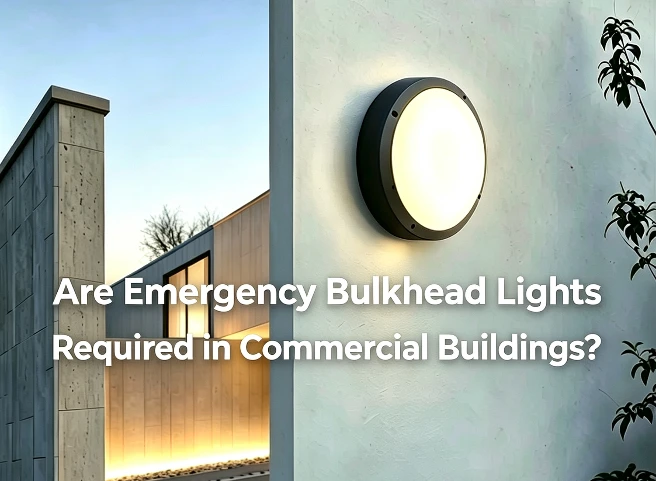
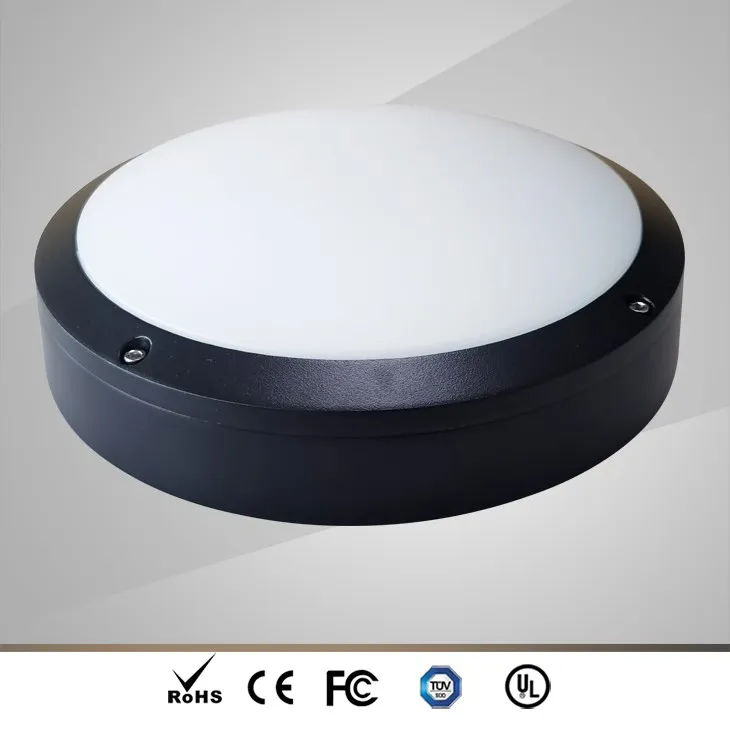
An emergency bulkhead light is a standard LED bulkhead light equipped with an emergency battery and control circuit. Under normal power, it functions as a regular wall light while charging the battery. When power fails, it automatically switches to emergency mode to provide backup lighting.
Its main purpose is not to replace daily lighting but to buy critical time for safe evacuation. Typical backup durations are 1 or 3 hours, meeting most codes for minimum illumination in escape routes and exits. Common features include IP65 weatherproof rating, impact-resistant housing, and self-test functions, making them suitable for indoor and outdoor damp or dusty environments.
In short, LED emergency bulkhead lights offer a dual solution for everyday lighting and emergency safety. So, which commercial buildings commonly use them?
Which Commercial Buildings Commonly Install Them?
Office Buildings & Commercial Complexes
High-occupancy office towers and mixed-use complexes often incorporate emergency lighting in corridors, elevator lobbies, and escape routes. LED emergency bulkhead lights are a standard choice here.

Schools & Hospitals
These high-safety venues usually treat emergency lighting as essential. You will commonly find emergency bulkhead lights in hospital corridors, operating areas, school classrooms, and dormitories.
Parking Garages / Public Corridors / Stairwells
Areas without natural daylight benefit greatly from LED bulkhead lights with an emergency battery. Underground parking, long corridors, and stairwells use them for both daily illumination and emergency guidance.

Factories / Warehouses / Transport Facilities
Facilities operating long hours often proactively install them for reliability. Emergency bulkhead lights for warehouses are especially popular to reduce risks during power outages.

These are common practices. Always verify with local codes for your project.
Do All Commercial Buildings Need Them?
Not every commercial building requires emergency bulkhead lights. There is no universal mandate. It depends on local fire regulations, building codes, and project specifics.
For example, small offices or low-rise buildings with few occupants and good natural light may only need basic compliance. In contrast, large malls, public venues, and high-rises usually have strict commercial building emergency lighting requirements for escape routes and exits.
Practical advice: Confirm local emergency lighting requirements at the early project stage before selecting products. Fixing issues later is far more costly. Compliance matters more than simply following trends.
Why Are More Projects Actively Choosing Them?
In recent years, I have noticed a clear increase in clients proactively asking about LED emergency bulkhead lights. This reflects rising overall building safety standards and greater awareness of operational risks among owners and developers.

Including emergency lighting in project planning is not just about passing inspections. It demonstrates responsibility, reduces potential hazards, and improves building quality and user experience. Many repeat clients report smoother approvals and higher satisfaction after installation.
FAQ
Q: Are emergency bulkhead lights required in commercial buildings?
A: Requirements vary by country and project. Local building and fire regulations should always be followed.
Q: What is the purpose of emergency bulkhead lights?
A: They provide temporary lighting during power outages to support safe evacuation.
Q: Which commercial buildings commonly use emergency bulkhead lights?
A: Office buildings, schools, hospitals, hotels, parking garages, and other public buildings.
Q: How long should emergency bulkhead lights operate during a power failure?
A: Common emergency durations are 1 hour or 3 hours, depending on local regulations and project requirements.
Q: Can emergency bulkhead lights also include sensor functions?
A: Yes. Many models can combine emergency backup with microwave or daylight sensors.
If you are unsure whether your project needs emergency bulkhead lights, feel free to share your location, building type, and intended use. I can help check local requirements and recommend suitable LED bulkhead light options.
We offer IP65-rated models with 1-hour or 3-hour emergency backup and optional sensor functions, all with relevant international certifications. Contact me anytime for catalogs, quotations, or technical datasheets.

I hope this article helps those planning commercial lighting projects. Let us ensure safety and quality together.





