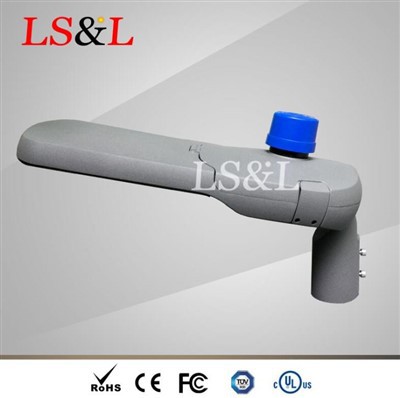
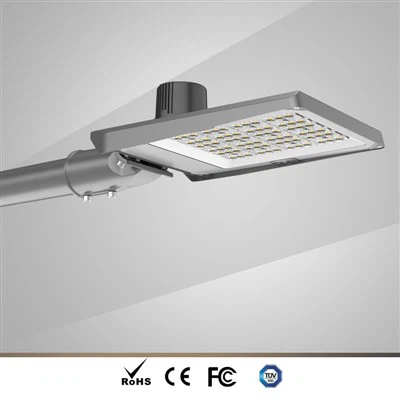
1. Advantages of LED ceiling lights
Energy saving and efficiency: LED ceiling lights adopt semiconductor optoelectronic technology, which has the characteristics of high efficiency and low energy consumption. Compared to traditional incandescent and fluorescent lamps, LED lamps have higher energy efficiency and can consume less electricity under the same lighting intensity.
Long lifespan: The lifespan of LED ceiling lights is usually over 25000 hours, far exceeding that of traditional lighting fixtures. Long lifespan means lower replacement costs and lower maintenance costs.
Good color reproduction: LED lamps have a wide range of color temperatures and can be customized according to needs, enabling them to better reproduce the true color of objects and improve lighting comfort.
Environmental protection and health: LED ceiling lights do not contain harmful substances such as mercury, have stable light, no flickering, and do not generate ultraviolet and infrared radiation, making them more eye and skin friendly.
2. Cost Structure of LED Ceiling Lamp Price
Understanding the cost structure of LED ceiling lights is crucial for evaluating whether their prices are reasonable.
Raw material cost: The main raw materials for LED ceiling lights include LED chips, heat sinks, power drivers, lamp body materials, etc. With the advancement of technology and the utilization of economies of scale, the cost of raw materials is gradually decreasing.
Production process cost: The manufacturing process of LED ceiling lights requires multiple processes, including chip packaging, lamp body forming, circuit welding, etc. Advanced automated production lines can help improve production efficiency, but they also require a higher investment.
Technology research and development cost: LED technology is constantly innovating, and developing new LED chips and improving light efficiency require a large amount of capital investment. This cost is also reflected in the price of LED ceiling lights.
Quality certification cost: LED ceiling lights usually require a series of quality certifications to ensure that the product meets national and industry standards, which also increases production costs.
3. Market Trends and Competitive Landscape
The market size is gradually expanding: With the continuous progress of LED technology and the enhancement of environmental awareness, the market size of LED ceiling lights is gradually expanding. Market competition also encourages manufacturers to make greater efforts in technology research and cost control to provide more competitive products.
Product diversification: With the continuous changes in market demand, the product line of LED ceiling lights is also expanding, covering various styles, powers, color temperatures, and other aspects, allowing consumers to more flexibly choose products that meet their needs.
Intense price competition: There are various grades of LED ceiling light products in the market, with significant price differences. On the one hand, high-end products focus on quality and technological innovation, with relatively high pricing; On the other hand, mid to low end products have relatively low prices through cost control and scale effects. This fierce price competition is also one of the factors affecting the price of LED ceiling lights.
4. Reasonability analysis of the price of LED ceiling lights
Taking into account the advantages, cost structure, and market trends of LED ceiling lights, some conclusions can be drawn about the rationality of the price of LED ceiling lights.
High initial investment and low operating cost: Although the purchase cost of LED ceiling lights is relatively high, their high efficiency and long lifespan greatly reduce operating costs. In the long run, the overall cost may be more economical.
Technological innovation drives price decline: The continuous innovation of LED technology and the promotion of market competition are expected to reduce the production cost of LED ceiling lights, thereby alleviating the pressure of price increase to a certain extent.
Diversity of consumer demand: The diversification and segmentation trend of the LED ceiling light market allows consumers to choose more suitable products based on their own needs and budget, achieving a balance between price and performance.
Environmental protection policy promotion: With the improvement of environmental awareness, the government's support for green energy and lighting products is gradually increasing, which is expected to reduce a portion of the burden on the price of LED ceiling lights through policy guidance.