If you're still using halogen downlights that consume a lot of energy and generate excessive heat, it's natural to consider upgrading to LED. Many people wonder whether LED bulbs can simply replace existing halogen lamps or if a more complete upgrade is required.
In many cases, LED bulbs can be used in existing downlight fixtures through a process known as retrofitting. This requires selecting an LED bulb with the same base type as the original lamp, such as GU10 or MR16. While this approach can work, replacing the entire fixture with an integrated LED downlight generally delivers better efficiency, reliability, and overall lighting performance.
Upgrading to LED lighting is a practical way to reduce energy consumption, lower maintenance needs, and improve light quality. As LED technology has become the industry standard, the key decision is no longer whether to upgrade, but how. Most projects follow one of two paths: retrofitting with LED bulbs or installing integrated LED downlights.
Path 1: Retrofitting with LED Bulbs
Retrofitting is a quick and cost-effective option that involves replacing the halogen bulb with a compatible LED alternative. Success depends on matching the lamp base correctly, with GU10 and MR16 being the most common types.
For MR16 systems, which operate on low voltage, the existing transformer must be compatible with LED loads. Older halogen transformers may cause flickering or unstable performance due to the lower power draw of LEDs. In such cases, replacing the transformer with an LED driver is often necessary. GU10 lamps, which operate on mains voltage, are generally easier to retrofit and do not require a transformer.
Path 2: Replacing with Integrated LED Downlights
Replacing the entire fixture with an integrated LED downlight offers a more complete and future-proof solution. These fixtures are engineered as unified systems, with the LED light source, driver, and thermal management designed to work together. This results in higher efficiency, longer lifespan, and more stable performance.
Integrated LED downlights also manage heat more effectively, helping maintain brightness and extend service life. Many modern designs include features such as selectable color temperature, high color rendering, and improved dimming performance, making them suitable for a wide range of residential and commercial applications.
The table below highlights the key differences between the two approaches:
| Factor | Retrofit LED Bulb | Integrated LED Downlight |
|---|---|---|
| Upfront Cost | Low | High |
| Installation | Very Easy (Plug and play) | More complex (Requires rewiring) |
| Performance | Good | Excellent |
| Lifespan | Good (15,000–25,000 hrs) | Excellent (40,000–50,000+ hrs) |
| Compatibility Issues | Possible (Old transformers or dimmers) | None (Components are fully matched) |
| Best For | Quick, budget-friendly upgrades | New construction, major renovations, long-term value |
For new installations, integrated LED downlights are generally the preferred choice due to their long-term reliability and performance, while retrofit LED bulbs can remain a practical option for existing systems when budget is a key consideration.
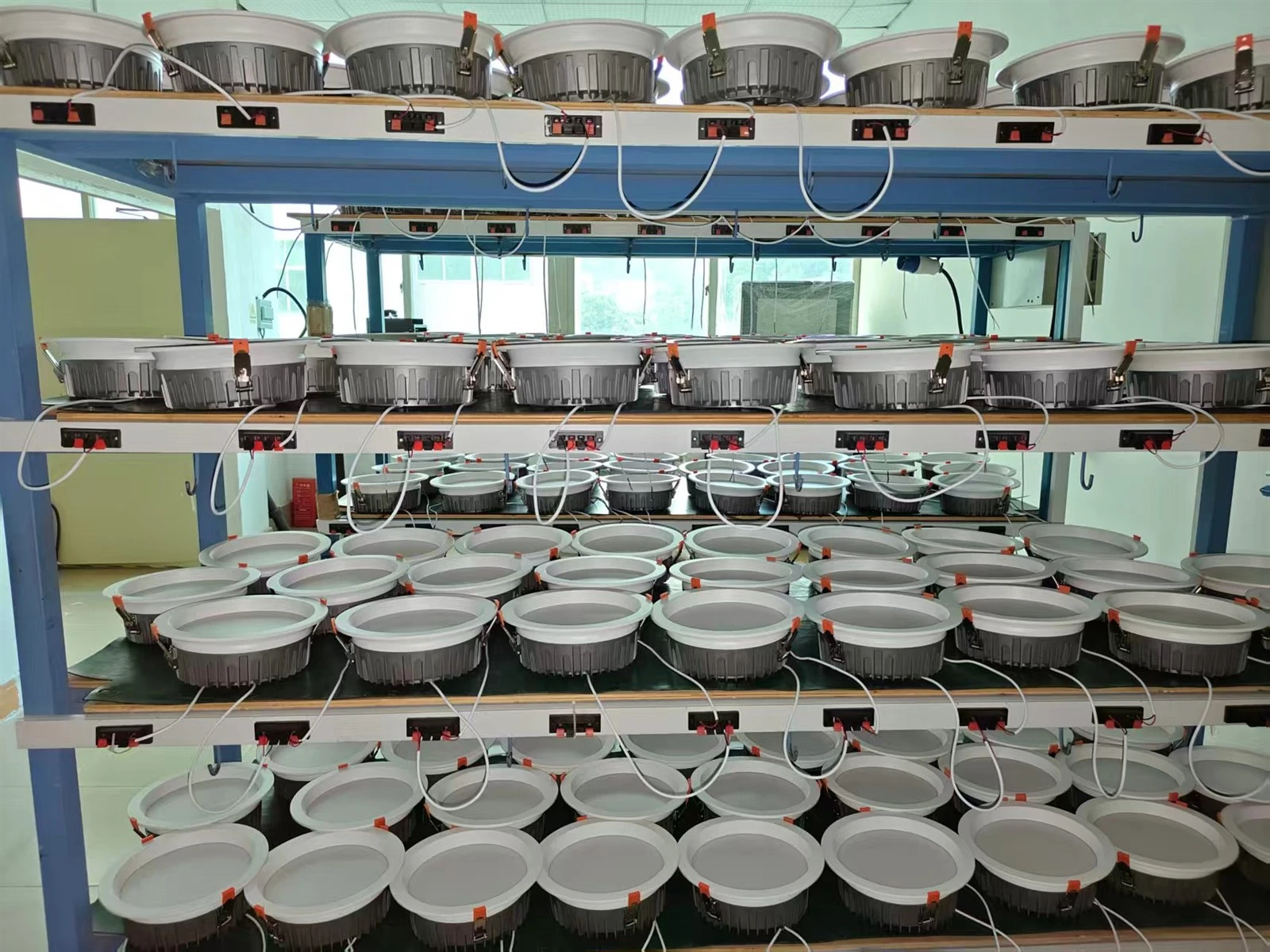

Luxsky Lighting offers integrated LED recessed downlights engineered for efficient, long-term lighting solutions. If you are interested, please click https://www.luxsky-light.com/led-ceiling-lights/4-5-6-8-frosted-cover-led-recessed-down.html for more details.