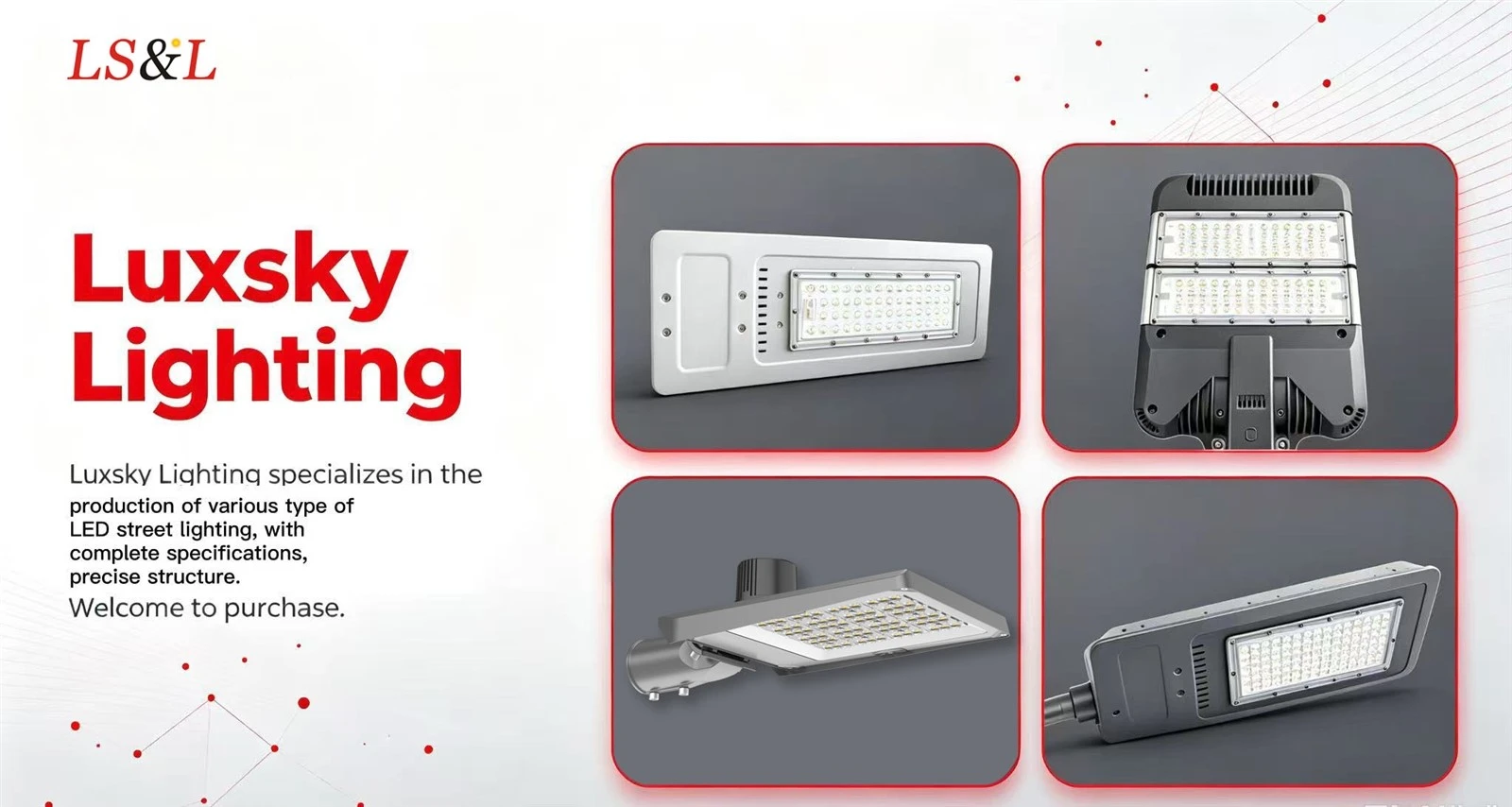
As an LED street light manufacturer with more than twelve years of export experience, I have supplied lighting to farms, logistics parks, hospitals and industrial zones in the Middle East, Southeast Asia, Africa and South America. A farm manager once asked me: "We want lights along the road beside our fields, but will they harm the crops?" It is a fair question. Many plants respond to day length and darkness, so uncontrolled night light can matter. The good news is that careful design keeps the risk low. Here is how I advise customers.
Understand Why Light at Night Can Matter
Some crops are sensitive to photoperiod, which means they use the length of the dark period to decide when to flower or form seeds. Long-day and short-day plants react differently, and sensitivity varies by species and variety. Strong light falling on such crops at night may delay or disrupt flowering. Light weak enough to be below the threshold of a given crop usually causes much less concern. Because results depend on the crop, please check with an agronomist or your local agricultural advisor before installing lights near sensitive fields.
Keep Light on the Road, Not on the Field
The most effective control is optical. Choose fixtures with cut-off optics and keep the tilt near zero degrees, so light falls on the road and not sideways onto plants. A Type II beam on a narrow farm road, or a Type IV beam with the dark side facing the field, helps keep spill light low. Good LED street lights for farms should come with real IES files, so a DIALux simulation can show how much light reaches the field edge before you order.
Use Lower Poles, Shields and Smart Placement
Lower poles of 4 to 6 meters with moderate wattage spread less light far from the road. Add back shields where fields sit very close, and avoid placing high-power fixtures right beside sensitive crops. Place poles on the side away from the field where possible. These values are general references, so follow your local standard.
Use Dimming, Sensors and Warm Color
Crops do not need the road lit all night. Photocells, motion sensors and dimming let the road stay dark or at a very low level until a vehicle or person approaches, which cuts both light exposure and electricity use. Warmer color temperature of around 3000K to 4000K contains less blue light than very cold white, and it is generally the safer choice near fields. Quality LEDs already save about 50% to 70% electricity compared with old sodium or metal halide lamps, and dimming adds more. Solar versions can suit remote roads. A tractor driver can also be dazzled, even for two seconds, so low glare helps safety too.
Choose a Supplier Who Can Customize and Stand Behind the Product
Controlled optics only work if the fixture matches its data and lasts. Dust, humidity, heavy rain and lightning are everyday risks on farms, so I recommend IP66, IK08 and surge protection of 6kV to 10kV. Replacing one fixture on a 6-meter pole means hiring equipment and stopping work, so I suggest an LED lighting supplier with 5 year warranty and a real factory behind it. As an LED lighting OEM manufacturer, we also customize wattage, beam angle, color temperature and branding for project buyers and distributors. Our quality standard includes:
- Branded LED chips and flicker-free drivers, 100% aging test before packing
- Die-cast aluminum housing, IP66 / IK08, 6kV to 10kV surge protection, CE and RoHS certified, with real IES files and test reports for DIALux design
When a customer asks me for a 5-year warranty, I can say yes with confidence, because we test before shipment, not after complaints.
Conclusion
Night light can affect some crops, but good optics, low poles, shields, dimming and warm color keep the risk small. Always confirm sensitivity with an agronomist. Our LED street lights are built with strict quality control, so they stay bright, stable and dependable for years.
If you are planning a new farm project or upgrading an old one, choose Luxsky Lighting. Contact us today for a free DIALux layout and a competitive quote.