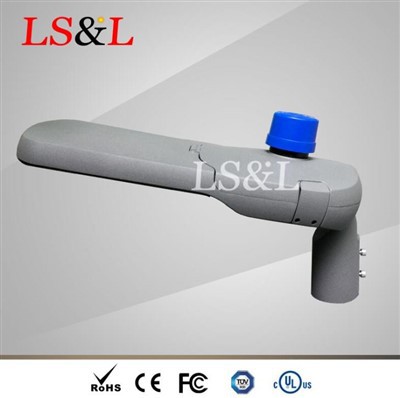
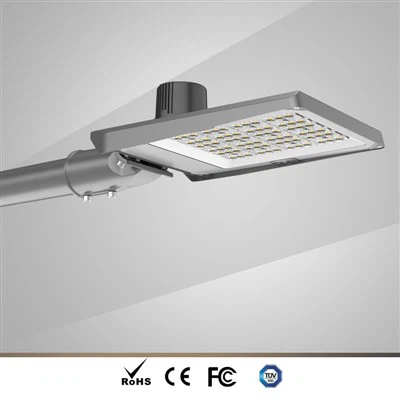
With the continuous acceleration of urbanization, the demand for urban road lighting is becoming increasingly important. Traditional high-pressure sodium (HPS) street lights have long been the main choice for street lights, but in recent years, the rapid development of LED street lights has attracted widespread attention. In this article, we will compare the differences between HPS and LED street lights in several aspects, including energy efficiency, environmental protection, lifespan, and light pollution, to help readers understand the advantages and disadvantages of the two and provide reference for better selecting street lights suitable for urban lighting.
Part 1: Energy Efficiency Comparison
High pressure sodium lamps use sodium vapor lamps, which have lower energy efficiency. The light they generate is mainly yellow, and although the lighting effect is good, the energy consumption is high. In contrast, LED (Light Emitting Diode) street lights use semiconductor light sources, which can convert electrical energy into light energy with an efficiency of over 70%, saving about 50% energy compared to HPS street lights. This means that using LED street lights can save a lot of electricity, reduce urban energy consumption, and be conducive to sustainable development.
Part 2: Environmental Impact
High pressure sodium lamps contain harmful substances such as mercury, which causes significant environmental pollution. During the manufacturing, use, and treatment processes, high-pressure sodium lamps can release harmful gases, posing potential hazards to air and water resources. On the contrary, LED lights do not contain toxic substances such as mercury, and their manufacturing process generates less waste. Therefore, using LED street lights can help reduce negative impacts on the environment, reduce carbon emissions, and make positive contributions to protecting the ecological environment.
Part 3: Life and Maintenance Costs
The lifespan of high-pressure sodium lamps is relatively short, usually around 10000 to 20000 hours. As the usage time increases, their brightness gradually decreases. This requires frequent replacement of light bulbs, increasing maintenance costs and labor investment. In contrast, the lifespan of LED street lights far exceeds that of high-pressure sodium lamps, typically reaching 50000 to 100000 hours, and their light attenuation rate is slower. Although the purchase cost of LED street lights is relatively high, in the long run, maintenance and replacement costs are lower, saving manpower and material resources.
Part 4: Light pollution
The yellow light generated by high-pressure sodium lamps can easily cause light pollution problems at night in cities, affecting people's daily routines and quality of life, and causing interference to wildlife at night. LED street lights can concentrate light in areas that require illumination through precise optical design, reducing light scattering and coverage, thereby reducing the degree of light pollution and creating a better night environment for cities.
In summary, there are significant differences between HPS and LED street lights in terms of energy efficiency, environmental protection, lifespan, and light pollution. Although HPS street lights have their advantages in lighting effects, their energy efficiency is low and they cause pollution to the environment. LED street lights, with their high energy efficiency, environmental protection, long lifespan, and light pollution control characteristics, are increasingly becoming the preferred choice for urban lighting. With the advancement of technology and the reduction of costs, it is believed that LED street lights will be more widely used in urban road lighting in the future, creating a better and environmentally friendly urban life for us.