Wattage
Wattage is a major concern when choosing different types of street lights. It represents the power consumption of a street light. It directly affects the different locations that aim for different wattage selections. Generally, select higher wattage when you need bright lighting. However, you must also consider factors such as pole height, boom angle, boom length, pole distance, and road width when selecting the right wattage. Two things must be noted:
Lamp height: If the lamp height is longer, opt for higher wattage. This will provide good illumination to the overall area.
Location layout: For better light distribution, note down the specified area and light selection. For example, wattage selection would differ for a park light and a spotlight for a parking lot.
Efficiency
Light efficiency is measured in lumens per watt (lm/W). It refers to how effectively a fixture converts electrical energy into visible light. LED street lights achieve 100-200 lm/W compared to 80-150 lm/W for HPS and 70-115 lm/W for metal halide street light fixtures. Higher efficiency means lower energy consumption. This results in maintaining required illumination levels, making projects more competitive and cost-effective.
CRI and CCT
Color Rendering Index (CRI) and Correlated Color Temperature (CCT) are two important factors that tell about different street light types:
- CRI: It determines how objects' colors render under white light. It scores from 1 to 100, with the highest number indicating better color reproduction.
- CCT: It indicates the color appearance of street lights. It can be warm, neutral, or cool. It's measured in Kelvin (K). 2700K is warm yellow light, 4000K is neutral, and 5700K is daylight white light. There are other tones, but they have less impact on living things.
Certification
Certification demonstrates that a street light complies with safety and quality standards. Lights meeting international standards will have certifications such as CE, RoHS, or ISO. These certifications indicate that the product has been tested and is safe to use. Certified lights are more reliable and durable.
Price
Pricing associated with various street light types is always a significant concern. Some call for a higher initial investment, but they save over time. They use less energy and need less regular maintenance. It is a smart move to compare beforehand. This will help you decide within your budget.
Summary
Street lighting provides comfortable lighting conditions for people, ensuring public safety. After a detailed analysis of different types of street lights and their applications, you must have learned a lot about choosing lighting according to your project requirements. The market offers a wide range of options, but each serves a different purpose. LED lights, however, are cost-effective, last longer, and are highly efficient. A good understanding of lighting and its parameters will help you make the best decision.
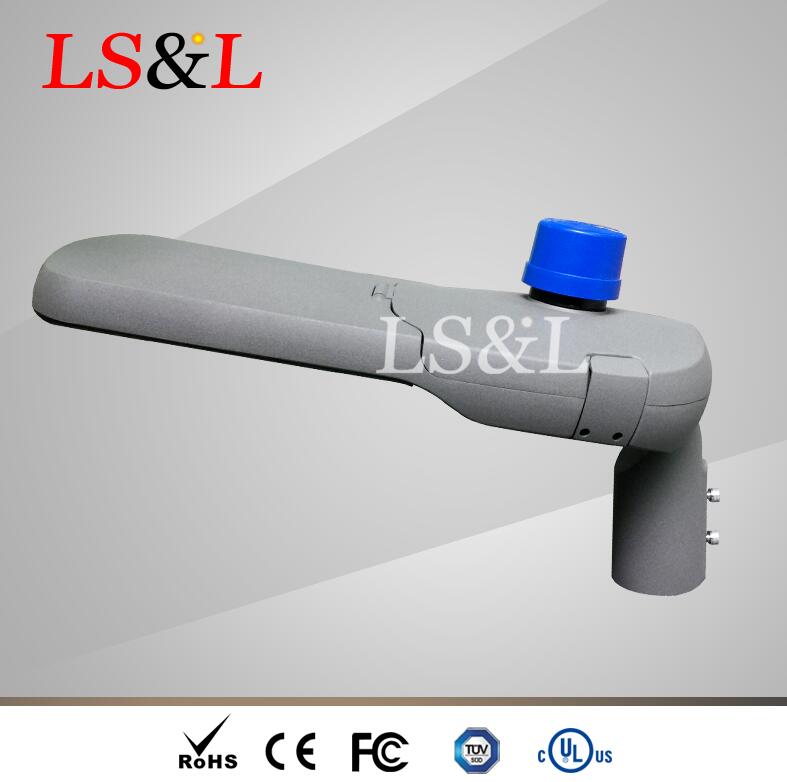
Best choice to choose--Luxsky Lighting ' s New Street Light
External integrated power supply with a unified interface reduces maintenance costs.

NFC wireless programming requires no wiring and cuts installation costs.

94.5% efficiency and automatic dimming enable round-the-clock energy savings and lower electricity costs.
If you're interested, please click https://www.luxsky-light.com/led-street-lights/the-innovative-design-of-led-street-lights.html.