This is one of the most common concerns for contractors, distributors, and end users when selecting outdoor lighting solutions. In reality, the lifespan of outdoor LED lights is not fixed-it depends on environmental conditions, product design, driver quality, and protection level.
According to industry data, high-quality LED light sources typically offer a lifespan of 25,000 to 50,000 hours. Assuming 10 hours of daily use, that translates to approximately 7 to 13 years under ideal conditions. However, outdoor environments-exposed to humidity, dust, temperature fluctuations, and even corrosion-can significantly reduce actual performance.
Key Factors Affecting Outdoor LED Lifespan
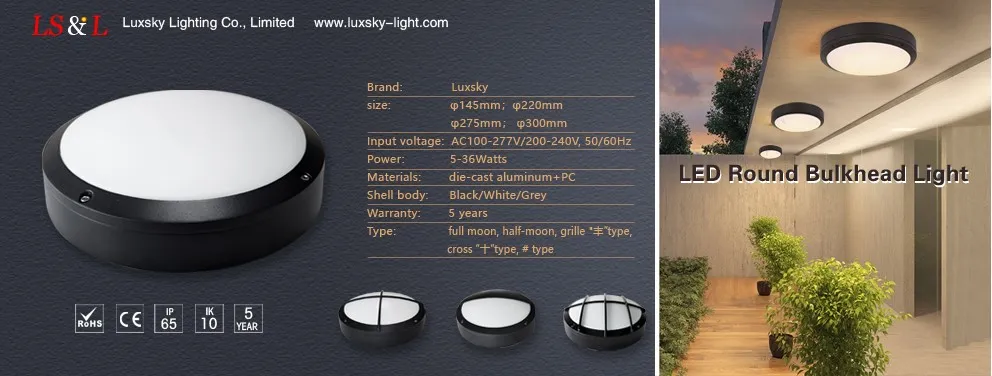
One of the most critical elements is the Ingress Protection (IP) rating. Products like IP65 Waterproof LED Ceiling Lights are designed to resist dust and water, making them suitable for harsh outdoor environments such as garages, corridors, and building exteriors.
Thermal management is another crucial factor. Research shows that for every 10°C increase in LED junction temperature, lifespan can drop by over 30%. That's why a Durable Outdoor Bulkhead Light often features aluminum housing and optimized heat dissipation design.
Power supply quality also plays a major role. In many cases, failures occur not in the LED chips but in the driver. Choosing certified products such as CE Certified LED Bulkhead Light ensures better electrical stability and longer service life.
Performance by Product Type
Different LED fixture designs perform differently outdoors.
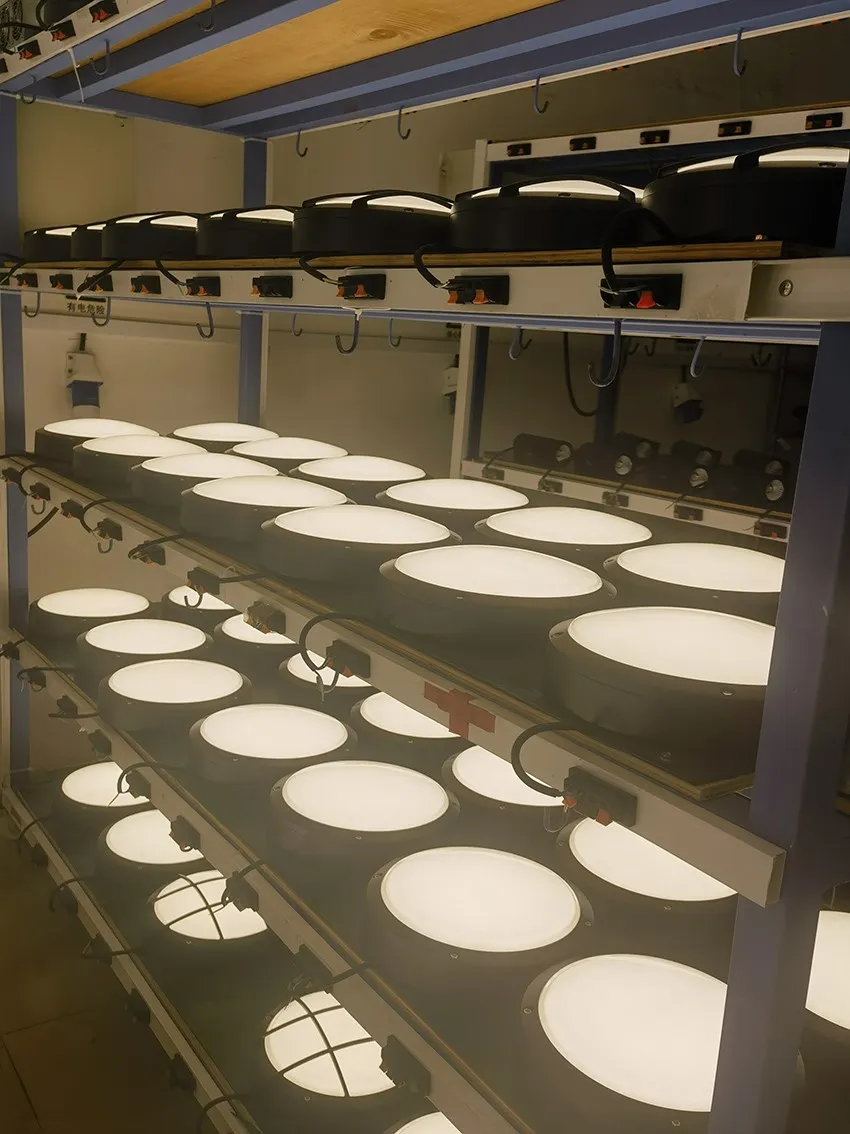
For example, OEM LED Bulkhead Lighting is widely used in industrial and commercial outdoor walls due to its compact, sealed structure and impact resistance.
Meanwhile, Round Shape Surface LED Ceiling Lights are more commonly installed in semi-outdoor spaces like porches or parking structures. While convenient to install, they should still meet at least IP65 standards for full outdoor exposure.
For bulk buyers, working with a High Quality LED Bulkhead Light Supplier ensures consistent quality, better materials, and stricter testing standards-ultimately reducing maintenance costs.
Rated Lifespan vs Real Performance
It's important to understand the industry-standard "L70" metric, which defines lifespan as the point when light output drops to 70% of its initial level. This means LEDs don't suddenly fail-they gradually dim over time.
In outdoor conditions, high-quality LED fixtures can maintain strong brightness for over 5 years, while lower-quality options may show significant degradation within just 2–3 years.
How to Extend Outdoor LED Lifespan
Proper usage and installation can make a significant difference:
 Avoid excessive heat buildup
Ensure proper drainage at installation sites
Clean fixtures regularly to prevent dust accumulation
Use stable power supply systems
These steps help maximize the return on investment and ensure long-term performance in outdoor environments.