

After more than a decade in foreign trade, clients often mix up tri-proof lights and explosion-proof lights. The two most common questions are: "Do tri-proof lights have an explosion-proof function?" and "What is the real difference between them?" Here is a clear answer based on our daily shipments and client discussions.
Do tri-proof lights have an explosion-proof function?
Tri-proof lights offer solid protection and suit many harsh environments. However, their protection focuses on waterproof, dustproof and anti-corrosion performance-they do not have an explosion-proof function. A proper LED tri-proof lamp uses sealed construction and anti-corrosion treatment to work reliably in damp, dusty or corrosive places. In areas with flammable or explosive substances or gases, a dedicated explosion-proof light must be used. A tri-proof light cannot replace it.
What is the difference?
1. Explosion-proof lights
These are designed for hazardous locations with combustible gases or dust. They prevent internal arcs, sparks or high temperatures from igniting the surrounding atmosphere and meet explosion-protection requirements. Some models also include waterproof or dustproof features, but the core purpose is explosion protection.
2. Tri-proof lights
These offer three protections: waterproof, dustproof and anti-corrosion. They use anti-oxidation materials and silicone seals to meet protection needs. The circuit board receives anti-corrosion, waterproof and anti-oxidation treatment. Smart temperature-control circuits lower the operating temperature of power components, while high-voltage isolation and double insulation on connectors keep the wiring safe. The housing surface often has nano-coating to block dust and moisture. Many clients look for an IP65 waterproof light rating because it covers typical industrial protection needs.
3. Key differences
- Protection focus: Tri-proof lights prioritise waterproof, dustproof and anti-corrosion and usually lack explosion-proof capability. Explosion-proof lights centre on explosion protection; some models may add other protections.
- Application: Tri-proof lights suit corrosive, dusty or rain-exposed industrial sites such as power plants, steel mills, ordinary petrochemical areas, ships, venues, parking lots and basements. Explosion-proof lights are required in warehouses or industrial zones with flammable or explosive substances.
- Design goal: Explosion-proof lights protect the surrounding environment from explosion risk. Tri-proof lights mainly extend the lamp's own service life by resisting environmental damage.
From our shipments, ordinary industrial sites such as warehouses and logistics centres are better suited to a led warehouse light solution. Areas with clear explosion risks must use a certified Explosion-proof linear light or Explosion-proof LED light. Choosing the wrong product shortens lifespan and can create safety hazards.
We advise clients to confirm first whether the site has flammable or explosive risks. Share the actual environment and protection requirements with us, and we will recommend the right product based on real conditions to avoid confusion and misuse.
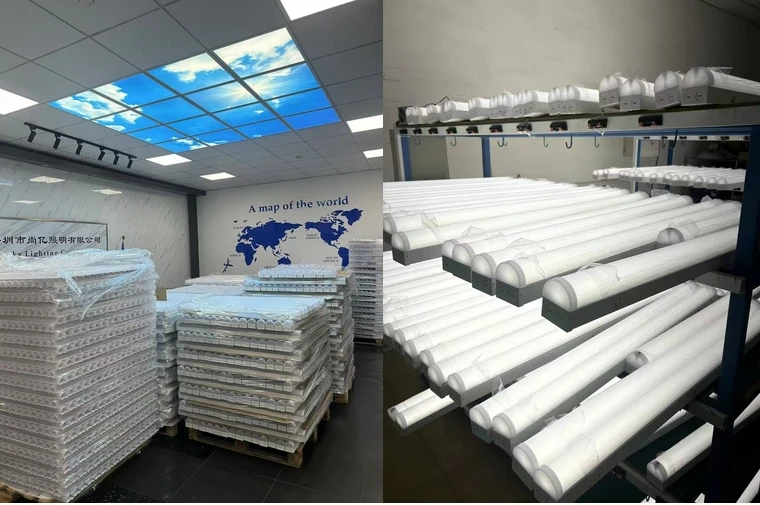
If you are comparing these two types of lights or are unsure which your project needs, leave a message or send an inquiry. We will give practical advice based on shipment experience and help you choose correctly.





