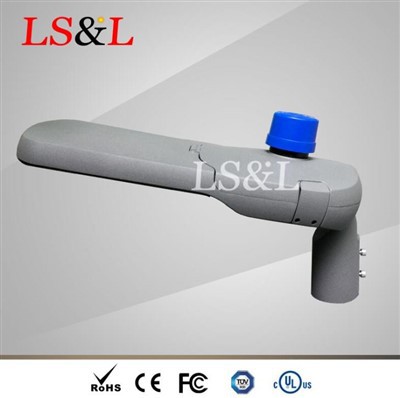
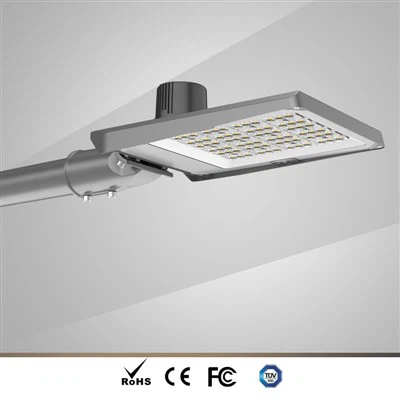
After years of exporting lighting fixtures, I often get clients who see "IP68" on a spec sheet and immediately ask, "So this light can just be submerged in water, right? How long can it stay underwater? How deep?" Whenever this comes up, I always ask back first: "What exact scenario are you referring to when you say submerged?" IP68 might look like a simple rating on paper, but behind it lies a whole set of details around test conditions, application scenarios, and product structural design. Not every fixture labeled IP68 can just be dropped into water without restriction. Drawing on years of working with factories and testing labs, let's break down what IP ratings - and IP68 in particular - actually mean.
What Is an IP Rating, and What Does IP68 Specifically Represent?
IP rating, short for Ingress Protection, is a standard established by the International Electrotechnical Commission (IEC) to measure how well an electrical enclosure resists the intrusion of solid particles and liquids. The "IP" is followed by two digits: the first digit represents the dust protection level, ranging from 0 to 6, with 6 meaning completely dust-tight; the second digit represents the water protection level, ranging from 0 to 8, with higher numbers indicating stronger water resistance. IP68 is one of the highest protection combinations currently available - the first digit, 6, means the product is fully dust-tight, effectively preventing dust particles from entering the enclosure; the second digit, 8, means the product is protected against continuous immersion in water, which is exactly why many buyers see that "8" and immediately think "waterproof enough to submerge."
Does IP68 Mean the Product Can Be Freely Submerged in Water?
Here's an important point worth highlighting: there is no single, globally unified test standard for IP68 water resistance. Different countries and testing bodies apply different specific test conditions when certifying a product as IP68. Under the IEC 60529 standard, the exact IP68 test conditions are actually agreed upon between the manufacturer and the end user, typically specifying two parameters: immersion depth and immersion duration. A common test condition is 1 meter of water depth for 30 minutes, but some manufacturers test under deeper or longer conditions. In other words, two products can both be labeled "IP68" while having genuinely different real-world water resistance capabilities. Buyers shouldn't assume that seeing the letters "IP68" automatically means a product can be submerged in water indefinitely.
Why Do LED Street Lights Also Use IP68 Protection Ratings?
Some clients ask: street lights aren't going to be flooded, so why do they need an IP68-level rating at all? There are a few key reasons.
First, to handle extreme weather and standing water scenarios. Many regions experience temporary road flooding during the rainy season, especially in low-lying areas and coastal cities. A street light's base or fixture body may end up briefly submerged in rainwater, and IP68-level protection effectively reduces the risk of water ingress under these extreme weather conditions.
Second, it improves sealing performance and extends product lifespan. Products that achieve IP68-level protection typically use higher-grade sealing gaskets, potting compounds, and structural design during manufacturing. This higher sealing standard doesn't just block water - it also better prevents moisture and dust from gradually penetrating the fixture over time, indirectly extending the service life of the LED driver and light source module.
Third, to meet the demands of specialized application scenarios. Beyond standard street lighting, IP68-rated products are also commonly used in underwater lighting, dock and pier guardrail lights, and tunnel lighting - applications with even stricter water resistance requirements than typical street lights.
How to Correctly Interpret and Apply the IP68 Rating When Purchasing
Based on years of helping clients verify product specifications, my recommendation is: when purchasing street lights or other outdoor lighting products, don't stop at the "IP68" label alone. Ask the supplier for the specific test conditions and a third-party test report, confirming the immersion depth, immersion duration, and whether the testing body is reputable. It's also important to consider your project's actual application scenario. If your project site genuinely experiences road flooding or near-water installation conditions, be sure to communicate the actual environment clearly to the supplier, so they can recommend the appropriate protection level and structural design based on real-world requirements - rather than simply assuming IP68 means universal waterproofing.
Conclusion
An IP68 rating does represent a high level of dust and water resistance, but it doesn't mean every product labeled IP68 can be submerged in water indefinitely - actual protection capability depends on the specific test conditions and product design. Luxsky Lighting's LED street lights are built with high-standard sealing processes and premium structural materials, consistently achieving IP66 or higher protection, with select products meeting IP68 requirements, effectively handling rainy, humid, and coastal climate conditions. Our products are backed by multiple international certifications and exported to municipal lighting projects in numerous countries. If you're looking for a genuinely waterproof and durable LED street light for your project, feel free to reach out to Luxsky Lighting - our team will provide professional product recommendations and competitive pricing based on your project's actual climate and installation environment.