In this line of work, I've seen countless cases where a client receives a spec sheet claiming "LED light source lifespan: 50,000 hours" - sounds impressive, but after just two or three years in use, the LED chip is still working fine while the driver has already failed. Let me walk you through this often-overlooked but genuinely critical issue: whether driver lifespan actually matches fixture lifespan.
Why "The Light Still Works, But the Driver Fails First" Happens
In a complete roadway LED lighting system, the lifespan bottleneck usually isn't the LED chip itself - it's the driver. Mainstream LED chips today generally have a theoretical lifespan of 50,000 hours or more, but many drivers are only rated for 30,000-50,000 hours, creating a clear "lifespan mismatch" between the two. The main causes of this gap include:
Electrolytic capacitors are the driver's lifespan bottleneck: Electrolytic capacitors are extremely temperature-sensitive - for every 10°C rise in operating temperature, lifespan roughly halves. Without proper thermal design, capacitor lifespan drops significantly;
Some manufacturers use low-quality capacitors to cut costs: This is the core reason many low-priced products experience driver failure after just one or two years;
Poor overall fixture thermal design: Even with good capacitors, if the fixture's heat dissipation structure is poorly designed, the driver will operate in a high-temperature environment long-term, significantly reducing its lifespan.
True Lifespan Matching Reflects Strict Quality Control
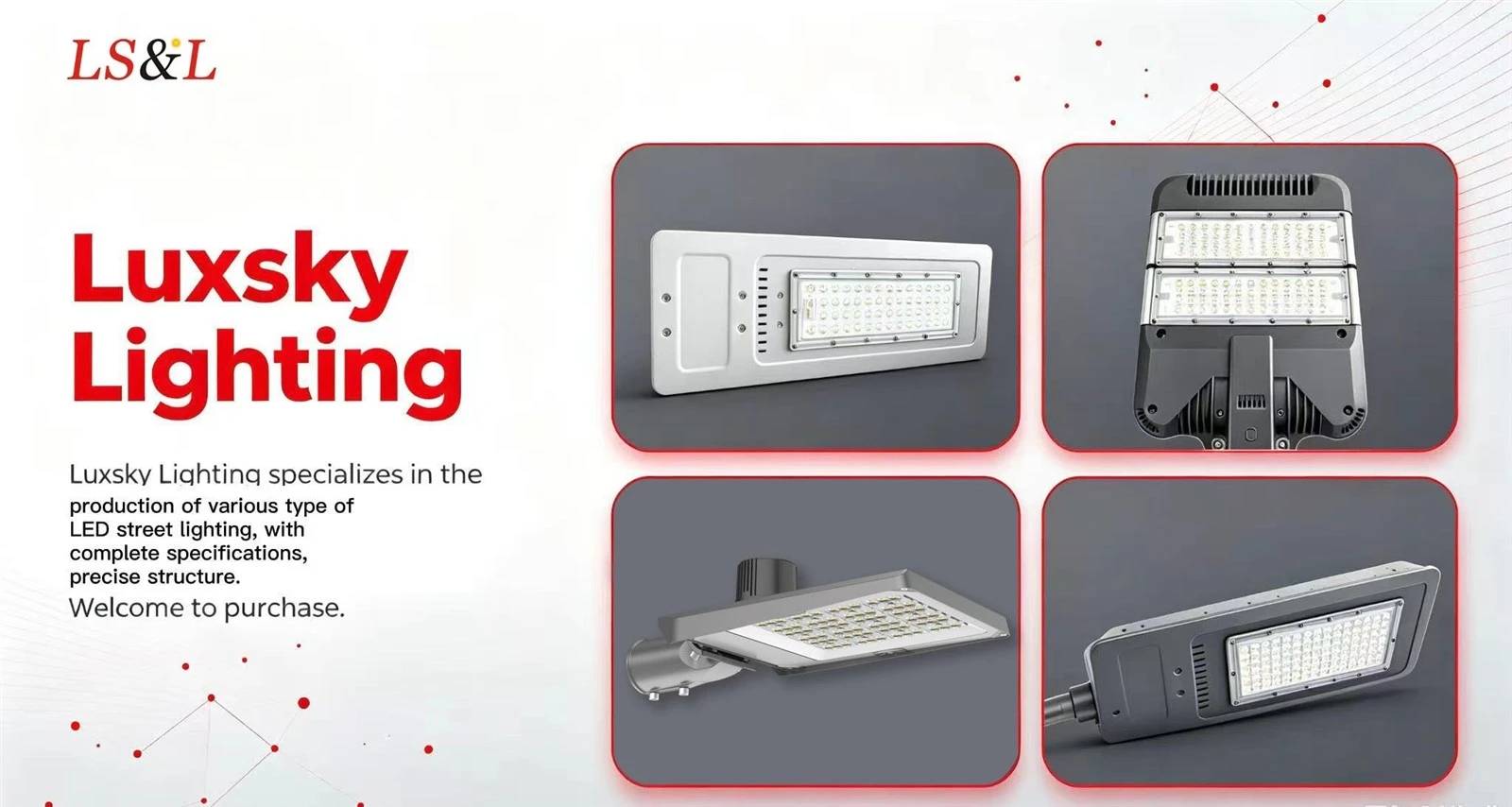
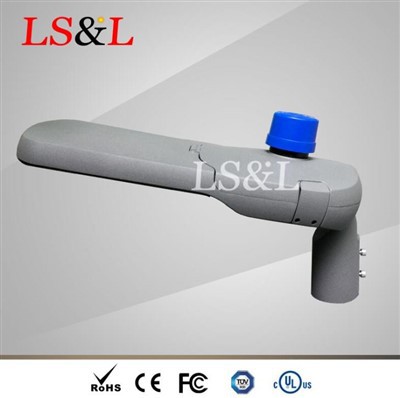
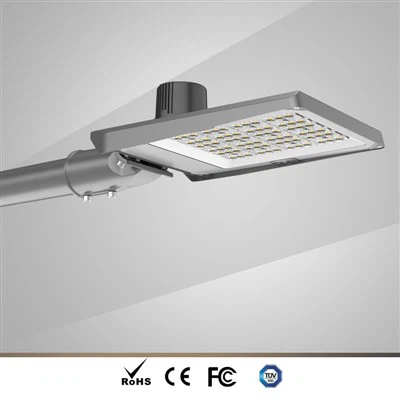
When designing our LED engineering lighting product line, we hold to one principle: driver design lifespan must match the LED light source's lifespan - at least 50,000 hours. This requires prioritizing long-life, high-temperature-resistant solid-state or branded electrolytic capacitors during component selection, along with reasonable structural design to keep driver operating temperature within a safe range. Every batch of drivers undergoes high-temperature aging tests and accelerated lifespan testing before shipment - a core part of our Strict quality control system. We don't rely on spec sheets alone; every claim must be backed by real test data.
Lifespan Matching Matters Just as Much for Smart Features
More and more projects now deploy Smart outdoor light systems, involving remote dimming, fault alerts, and other functions - these smart modules also require long-term, stable power support. If the driver's lifespan can't keep pace, it doesn't just affect lighting performance - it also causes smart modules to go offline frequently or experience data transmission errors, significantly raising maintenance costs. That's why, when designing smart street light solutions, we conduct a dedicated lifespan-matching assessment between the driver and the smart module, ensuring the entire system's service life stays consistent.
Recommendations for Buyers
- Don't just look at the LED light source's lifespan rating - always confirm the driver's stated lifespan as well;
- Request high-temperature aging test reports for the driver from your supplier;
- Pay attention to overall fixture thermal design, since heat dissipation efficiency directly affects actual driver lifespan;
- For projects involving smart features, confirm whether the driver's lifespan can support long-term, stable operation of the smart module.
Conclusion
Whether driver lifespan matches fixture lifespan directly determines a client's long-term maintenance costs and overall experience. At Luxsky Lighting, we hold to the principle of matching driver and light source lifespan from the design stage, backed by a rigorous Strict quality control process, ensuring every product truly delivers "long lifespan, low failure rate."
If you're looking for an LED street light supplier with matched lifespan and reliable quality, feel free to contact Luxsky Lighting - we can provide complete test reports and a tailored product solution.