As an LED street light manufacturer with more than twelve years of export experience, I have supplied lighting to hospitals, logistics parks, campuses and industrial zones in the Middle East, Southeast Asia, Africa and South America. Almost every hospital buyer starts with the same sentence: "Your price is higher than another supplier's." I understand. Budgets are real. But after many projects, I have learned that the lowest price on the quotation is rarely the lowest cost for the hospital. A dark ambulance route or a flickering walkway has a price that never appears on the quotation. Here is how I help customers find a sensible balance.
Look at Total Cost, Not Only Unit Price
The purchase price is just one part of the bill. Over ten years, the real cost also includes electricity, lift hire, labor, spare parts and the disturbance to hospital operations during every repair. A fixture that costs 15% less at purchase but fails in two or three years will cost far more in the end. Ask every supplier to help you compare total cost over five to ten years, not only the price per piece. Good LED street lights for hospitals should be judged by this long-term view.
Spend Where Quality Matters Most
You do not need the most expensive option everywhere, but you should not save money on the parts that decide service life: the driver, the chip, heat dissipation, sealing and surge protection. A weak driver or poor sealing is the most common cause of early failure. Spend the most on ambulance routes and the emergency entrance, and choose moderate specifications for quiet walkways and service roads. This zone-by-zone approach keeps safety high and the budget under control.
Use Design to Lower the Budget Without Lowering Safety
A good layout is the cheapest way to cut cost. By choosing the right beam type (T2, T3 or T4), pole height and spacing, many projects reduce fixtures, cabling and installation work while keeping even light. A DIALux simulation with real IES files also checks glare and spill light toward patient rooms, so you avoid costly rework. A driver can be dazzled, even for two seconds, so this check matters. Smart dimming can save another 20% to 30% on quiet areas, on top of the 50% to 70% that quality LEDs already save compared with old sodium lamps. These numbers are general references, so use your own tariff and follow your local standard.
Watch Out for Hidden Risks in Low Prices
Very low quotes often hide exaggerated lumen figures, unnamed drivers, thin heatsinks, weak surge protection or unreliable test reports. Ask for chip and driver brands in writing, real IES files and test reports, and compare quotes item by item. Remember that replacing one fixture on an 8-meter pole means hiring a lift, closing a lane and disturbing hospital operations, so one early failure can wipe out the money you saved.
Choose a Supplier Who Shares the Risk
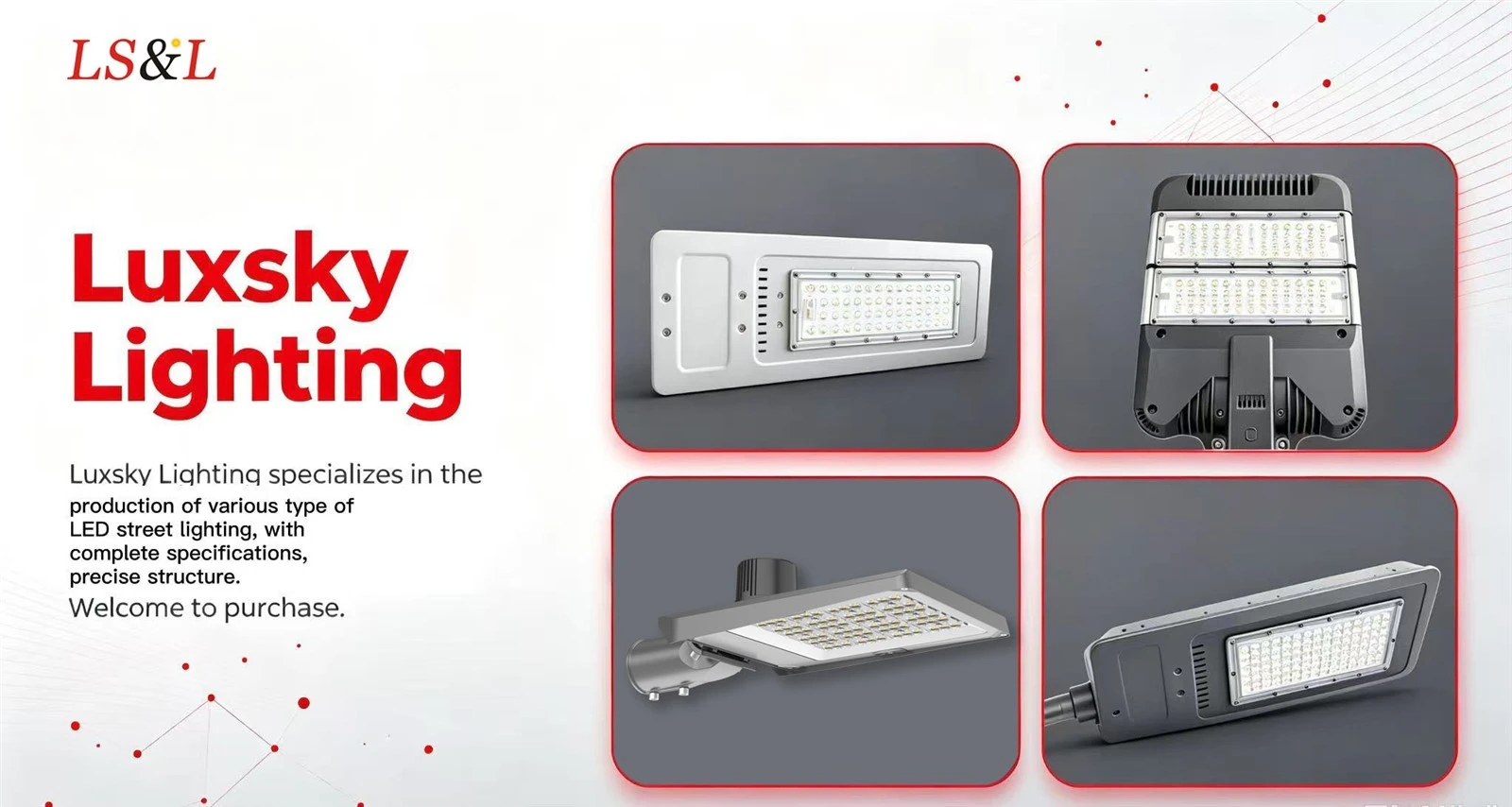
A real warranty moves part of the maintenance risk from you to the supplier. Look for an LED lighting supplier with 5 year warranty and clear terms: what is covered, who pays shipping and how fast replacements arrive. As an LED lighting OEM manufacturer, we also customize wattage, beam angle, color temperature and branding for project buyers and distributors. Our quality standard includes:
- Branded LED chips and flicker-free drivers, 100% aging test before packing
- Die-cast aluminum housing, IP66 / IK08, 6kV to 10kV surge protection, CE and RoHS certified, with real IES files and test reports for DIALux design
When a customer asks me for a 5-year warranty, I can say yes with confidence, because we test before shipment, not after complaints.
Conclusion
The best balance comes from looking at total cost, investing in key components, using smart design and choosing a supplier who stands behind the product. Our LED street lights are built with strict quality control, so they stay bright, stable and dependable for years.
If you are planning a new hospital project or upgrading an old one, choose Luxsky Lighting. Contact us today for a free DIALux layout and a competitive quote.