I've spent over a decade in the street lighting export trade, and after switching to LED, port clients often follow up with one more question: "Can we save even a little more?" The answer is yes, and there's quite a bit of room. Switching to LED makes the fixture itself more efficient, while smart control makes sure lights are on when they're needed and off when they're not. We've already covered basic dimming savings, so today I'll go a layer deeper and look at how Smart outdoor light systems can keep pushing port energy consumption down.
1. Let Lighting Follow the Operating Plan
What defines a port is that operations run on a schedule: vessel berthing times, container handling shifts, and yard work zones are all known in advance. If a smart lighting system can integrate with the port's operations scheduling system, it can raise brightness in advance for areas that need it, lower it automatically once work ends, and keep idle areas at baseline lighting. Lighting stops being "timer on, timer off" and starts "following the work" - and waste drops sharply as a result.
2. Sensor-Based Dimming, Precise Down to People and Vehicles
In yard lanes and secondary roads, radar or infrared sensors can be installed so lights automatically brighten when vehicles or personnel pass and gradually fall back after they leave. Roadway LED lighting paired with sensor-based dimming is more refined than time-based dimming alone, and particularly well suited to areas with sparse overnight traffic.
3. Constant Illuminance Control - Don't Let Lights Be "Too Bright"
When a new fixture is first installed, its luminous flux is at its highest, often brighter than the design actually requires - and that surplus brightness is wasted energy. A smart system can use constant illuminance control: lowering output slightly at the start and raising driver current year by year to offset lumen decay, always holding road surface illuminance at the design value. This avoids wasting power on over-brightness early on while extending the number of years a fixture stays in compliance.
4. Compensate for Ambient Light and Weather
With a light sensor and an astronomical clock, switching times can be controlled precisely, avoiding lights coming on before it's dark or staying on after dawn. In poor visibility conditions like dense fog or heavy rain, brightness can be raised temporarily for safety, then restored once conditions improve - saving energy without compromising safety.
5. Use Data to Find Hidden Waste
A smart system continuously collects each fixture's power, current, and operating hours. Analysis can reveal hidden waste: a circuit still lit during the day, an area running brighter than needed for long stretches, an individual fixture with abnormally high consumption. These are hard to notice the traditional way, but with a data dashboard, managers can address them in a targeted way.
6. Peak Shaving and Demand Response
Some regions' electricity bills include demand charges, or offer incentives for managing peak usage. A smart system can modestly lower brightness in non-critical areas during peak hours, reducing peak load and working with grid demand response to cut electricity costs further.
7. Pairing With Renewables and Energy Storage
Ports are increasingly adopting solar PV and energy storage. A smart lighting system can adjust its power use strategy according to PV generation and storage status, prioritizing self-generated electricity to raise the share of renewable energy used.
Don't Forget: Smart Needs Reliability as a Foundation
The more smart functions there are, the higher the demand on hardware stability. Dimming drivers must respond reliably, communication modules must work dependably under salt spray and thunderstorm conditions, and data security deserves attention too. This is where a strict quality control LED engineering lighting system proves its value: the energy savings of a smart system have to rest on stable fixtures and communications. Also, actual savings vary from project to project - it's best to pilot on a small scale first and verify with measured data before rolling out more widely.
What We Do
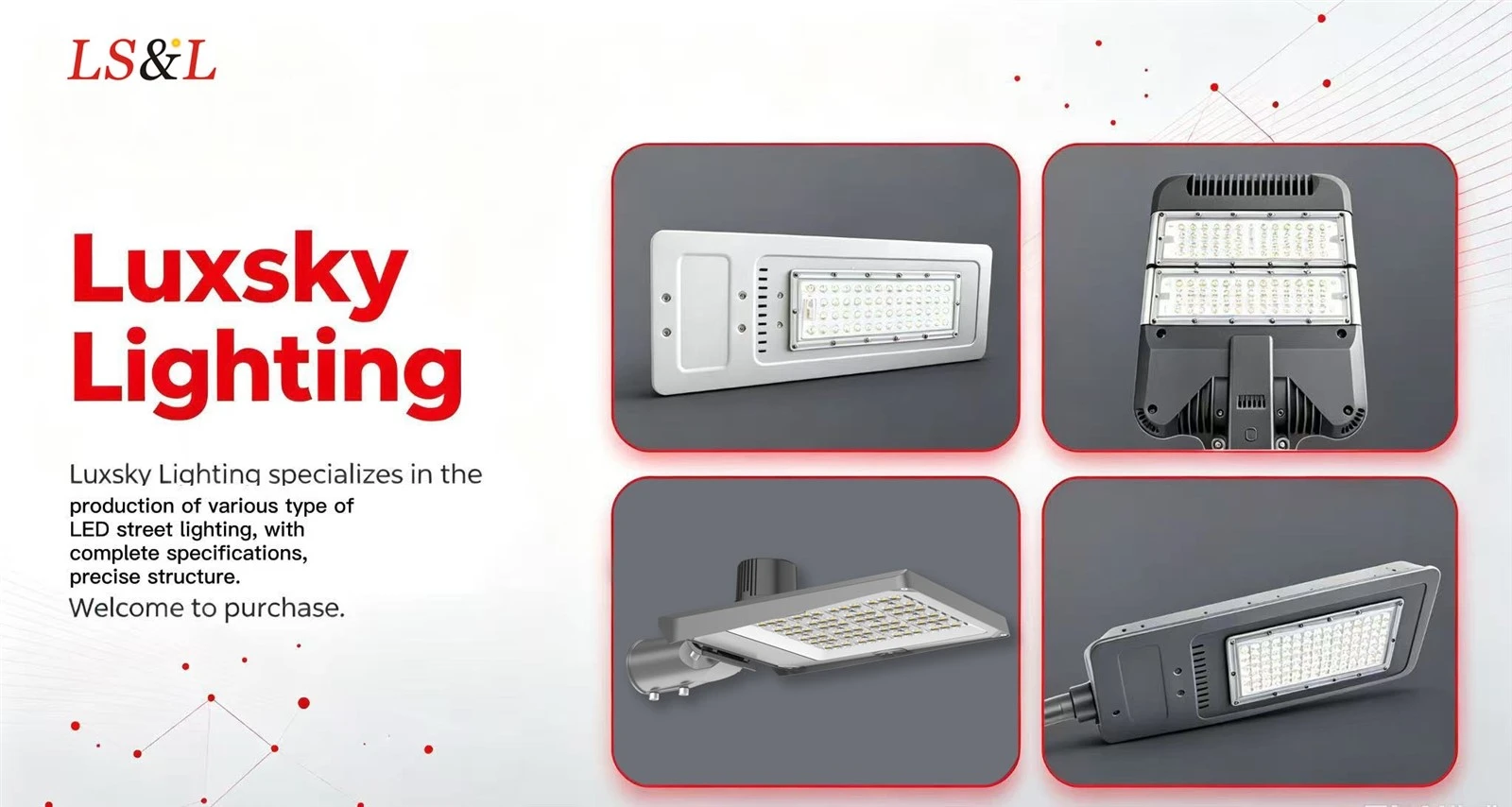
At Luxsky Lighting, we hold to strict quality control LED engineering lighting standards, offering smart lighting solutions supporting multi-level dimming, sensor control, and remote monitoring, with drivers and communication modules rigorously tested, and the ability to integrate with scheduling systems based on project needs.
Conclusion
Smart control can push port energy consumption down further on top of LED - the key is letting lighting follow operations, precise sensing, constant illuminance, and data analysis - with stable, reliable products as the prerequisite. Luxsky Lighting has focused on LED street light engineering for years, holding to strict quality control to deliver dependable roadway LED lighting solutions to clients worldwide. If you're planning smart lighting for a port, reach out to us for a plan and a quote.