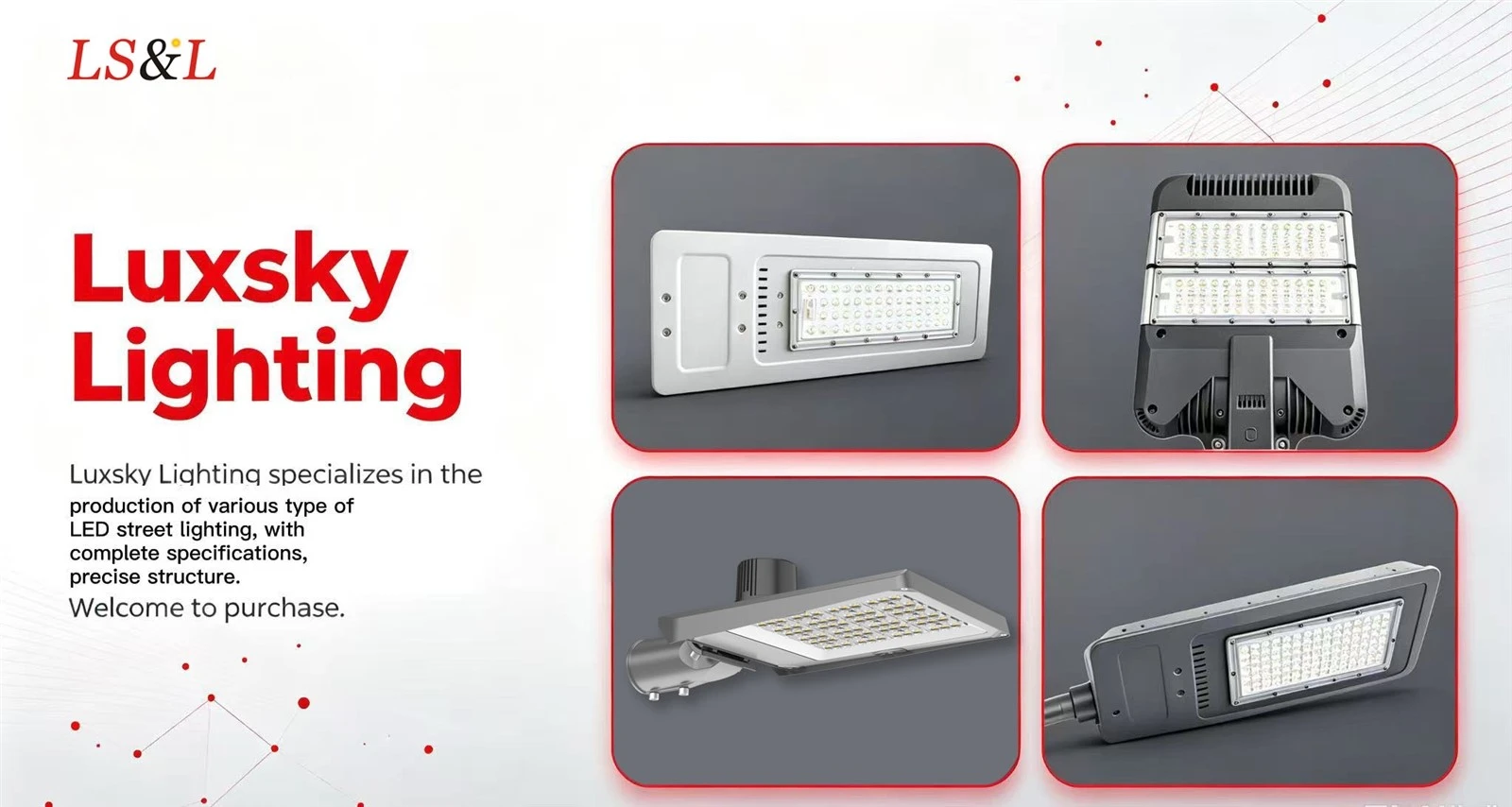
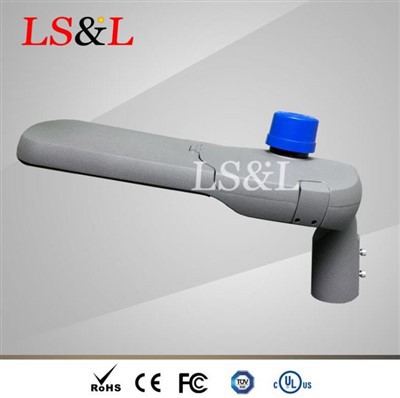
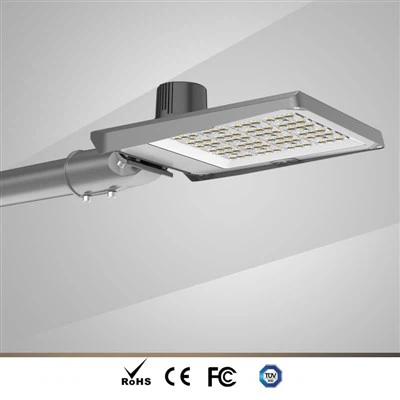
As an LED street light manufacturer with more than twelve years of export experience, I have supplied lighting to farms, logistics parks, hospitals and industrial zones in the Middle East, Southeast Asia, Africa and South America. A farm manager once told me: "During harvest we work until 2 a.m. and restart at 4 a.m. The rest of the night, nobody is out there, yet every light burns at full power." Farm work follows the season, not a fixed shift. Brightness control should follow it too. Here is the method I share with my customers.
Record Your Real Working Pattern by Season
Farm activity changes with the calendar: harvest, planting, feeding, irrigation and delivery peaks all have different hours. Note when tractors, trucks and workers are actually active in each season, and which zones they use. Check this over at least one or two weeks of each main season. Without this data, any schedule is a guess, and a wrong guess leaves workers in the dark or wastes power.
Set Brightness Levels by Zone and Time
Machinery yards, loading areas and grain store entrances should stay at a stable, higher level during working hours. Quiet branch roads, fence lines and worker paths can drop to about 30% to 50% outside work hours and rise when someone approaches. As a reference plan: full output during active work, a gentle base level in quiet hours, and a smooth return to full output 15 to 30 minutes before the next shift. Good LED street lights for farms should support 0-10V, DALI or PWM dimming. These values are general references, so follow your local standard.
Use Sensors to Cover Unplanned Work
Farm work does not always follow the plan: a sick animal, a late truck or a pump check can happen at any hour. Motion sensors and linked poles let the lights ahead brighten when a vehicle or person approaches, so nobody walks into a dark patch. Use smooth ramps, because a tractor driver can be dazzled, even for two seconds, if brightness jumps suddenly. Near livestock, avoid abrupt changes and follow your local animal welfare guidance and your vet's advice.
Never Dim Below a Safe Minimum
Keep gates, junctions, bends and work points above a safe level while work is going on, and set a minimum level, usually 30% to 50%, elsewhere, so cameras can still record and people can see ditches and ground changes. Confirm the dimmed lux level and uniformity with a DIALux simulation using real IES files. Quality LEDs already save about 50% to 70% electricity compared with old sodium or metal halide lamps, and time-based dimming can add another 20% to 30%, which also lowers load on weak farm cables. Solar versions benefit too, because dimming stretches battery life.
Choose Reliable Hardware and a Supplier Who Stands Behind It
Dimming only works if the driver is reliable, and farm voltage is often unstable. Choose a wide-voltage, flicker-free driver with IP66, IK08 and surge protection of 6kV to 10kV. Replacing one fixture on a 6-meter pole means hiring equipment and stopping work, so I suggest an LED lighting supplier with 5 year warranty and a real factory behind it. As an LED lighting OEM manufacturer, we also customize wattage, beam angle, color temperature and branding for project buyers and distributors. Our quality standard includes:
- Branded LED chips and flicker-free dimmable drivers, 100% aging test before packing
- Die-cast aluminum housing, IP66 / IK08, 6kV to 10kV surge protection, CE and RoHS certified, with real IES files and test reports for DIALux design
When a customer asks me for a 5-year warranty, I can say yes with confidence, because we test before shipment, not after complaints.
Conclusion
To control brightness by farm working hours, record the seasonal pattern, set levels by zone and time, use sensors for unplanned work and keep a safe minimum. Our LED street lights are built with strict quality control, so they stay bright, stable and energy-efficient for years.
If you are planning a new farm project or upgrading an old one, choose Luxsky Lighting. Contact us today for a free DIALux layout and a competitive quote.