After more than a decade in lighting exports, factory clients often ask how to bring down the total cost of ownership of plant lighting. Cutting only the purchase price often means energy and repairs erase the gap quickly. Here are practical ways to lower TCO, based on field experience.
Put Energy Cost into Selection-Not Only Lamp Price
Routes, stairs, and edge points on covered yards burn many hours a year. Higher efficacy and power sized to need usually reduce operating cost more than another round of price negotiation.
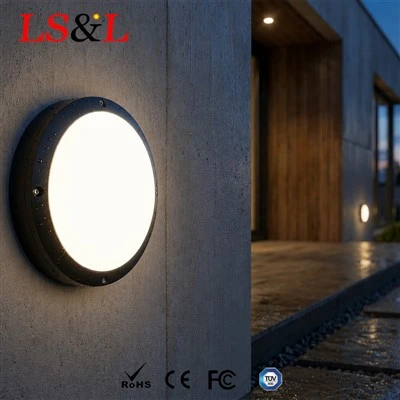
When an led bulkhead lamp is used for path and support lighting, rough out "efficacy × hours × tariff" and compare that with the price difference.
Cut Failures and High-Access Repair Visits
Protection matched to dust and humidity, stable drivers, and reliable sealing mean fewer change-outs. One maintenance visit with isolation often costs more than the extra paid per lamp.
Standardising models also reduces spare variety and wrong-type picks, so repair time stays short.
Use Controls to Remove Empty-Hour Load
Apply sensing or schedules on low-traffic links, and daylight-linked dimming where natural light exists, so the site is not held at full output all night. Control strategies must still meet safety and escape requirements.
An led bulkhead is numerous and long-burning; when control is right, the plant lighting bill is easier to move.
Specify by Zone-Avoid Over-Spec and Under-Spec
Dry inner corridors do not need the highest protection everywhere; wash-down and exterior walls cannot run on indoor-rated products. Over-specification wastes capital; under-specification brings early failures.
Treat semi-outdoor and exterior-door points as outdoor bulkhead light duty so water-ingress repairs do not become a hidden cost.
Practical Levers to Lower TCO
- High efficacy and right-sized power
- Reliable protection and drivers to limit faults
- Sensing / scheduling / dimming to cut empty-hour use
- Model standardisation for simpler spares and maintenance
- Selection by zone to avoid mismatch
Reducing total cost of ownership for factory lighting means optimising energy, maintenance, and correct specification together-not only buying the cheapest lamp. Bulkheads on paths and support areas are many; when their TCO is handled well, the whole plant feels it.
From years of working with factory and export clients, I know lighting saves money on the full ledger, not on one cut to unit price. Put operating and repair cost in the table and decisions get clearer.

If you are optimising plant lighting cost, share route lamp counts and daily burn hours. I can help identify which bulkhead light fits better and prioritise upgrades from a TCO perspective.