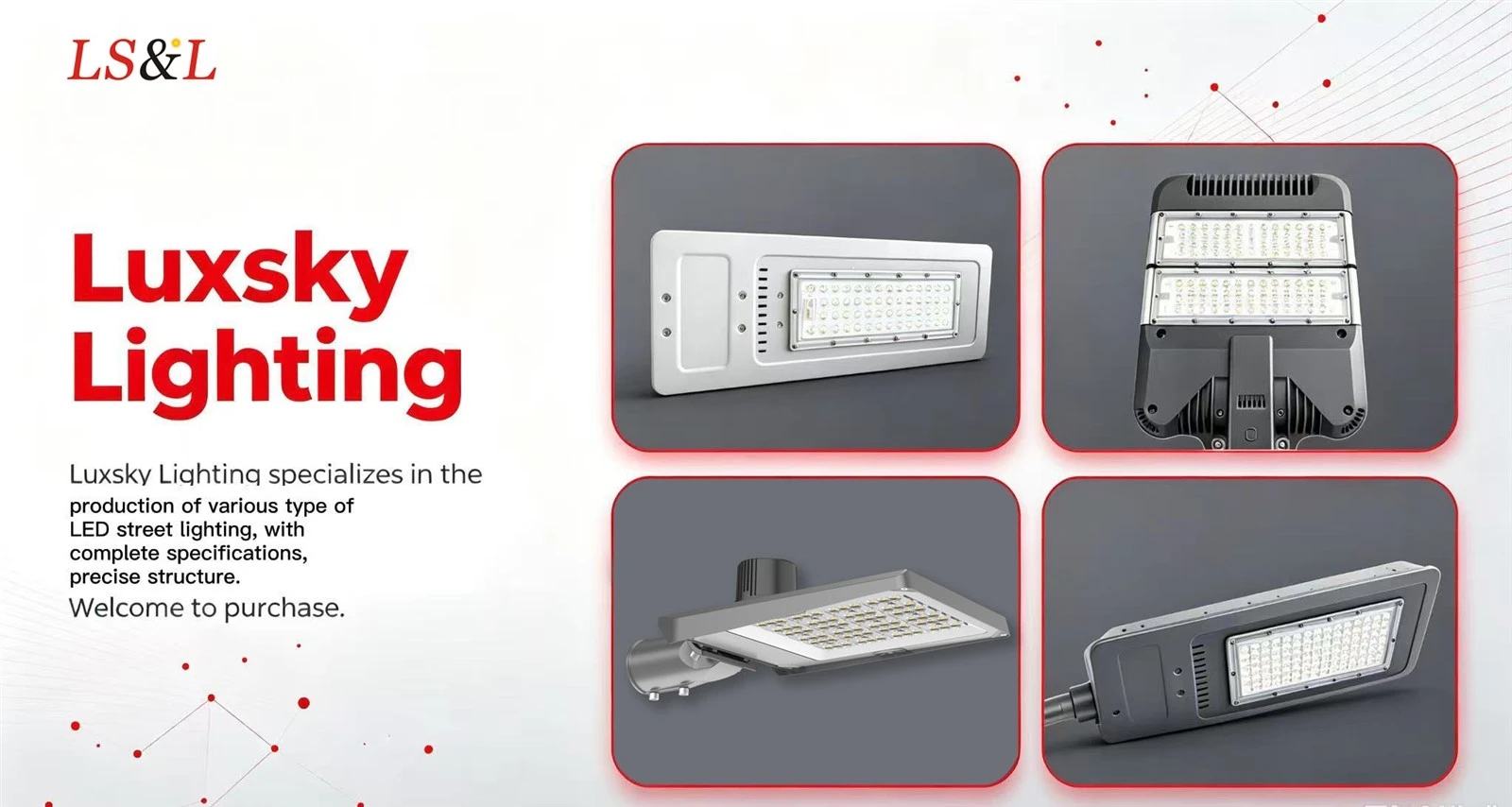
Port areas experience high humidity year-round, with high moisture content in the air often accompanied by salt spray, posing a severe challenge to the long-term reliability of luminaires. As a foreign trade professional with over a decade of experience in the lighting industry, I have seen many projects suffer from neglecting the impact of high humidity-internal condensation, damp drivers, and frequent failures-seriously affecting the stable operation of roadway LED lighting. Today, drawing on practical experience, I will discuss how port LED street lights can effectively cope with high-humidity environments.
Main Hazards of High Humidity to Port Luminaires
In high-humidity environments, moisture easily enters the fixture interior through weak sealing points and forms condensation. Prolonged dampness leads to:
- Drivers and electronic components becoming damp and short-circuiting
- Accelerated corrosion of metal parts
- Aging and failure of sealing gaskets
- Faster light decay and a noticeably shortened service life
This is especially true for Smart outdoor light systems, which integrate more control and communication modules and are more sensitive to humidity. Once protection is insufficient, smart functions are often the first to fail.
Strict Quality Control LED Engineering Lighting Is the Key to Coping
Truly suitable roadway LED lighting for high-humidity port environments must incorporate moisture-proof design into the overall engineering. Strict quality control LED engineering lighting emphasizes high protection ratings (IP66 is generally recommended), high-quality sealing structures, independent driver waterproof compartments, and the application of weather-resistant materials. High-quality products undergo rigorous damp-heat testing and long-term validation to ensure the interior remains dry and performance stays stable under continuous high humidity.
Many low-cost products have ordinary seals and materials. They may appear normal in the short term, but condensation and failures quickly appear in the humid port environment. Only designs that have passed engineering-grade quality control can truly withstand the long-term challenge of high humidity.
Practical Coping and Selection Advice
Prioritize IP66 or higher protection: Effectively blocks moisture intrusion.
Focus on sealing and structural design: High-quality silicone, independent driver compartments, and rational drainage significantly reduce condensation risk.
Protect smart systems simultaneously: Smart outdoor light requires good moisture-proof design for control modules as well.
Choose suppliers with actual project experience: Confirm that Strict quality control LED engineering lighting is truly implemented.
As an experienced foreign trade professional, I often remind clients: high humidity is an objective condition that port luminaires must face over the long term. Only by proactively implementing proper protective design can system stability be ensured. Selecting the right products and quality-controllable suppliers is the only way to truly reduce later maintenance costs.
Conclusion
We have always adhered to the standards of Strict quality control LED engineering lighting. Our products have accumulated extensive experience in roadway LED lighting and Smart outdoor light applications for ports and high-humidity environments, delivering solid moisture-proof performance and stable, reliable quality. If you are looking for high-quality LED street lights that can effectively cope with high-humidity environments for a port project, please contact us directly to learn more about Luxsky Lighting's LED street light solutions and let professional products safeguard your project.