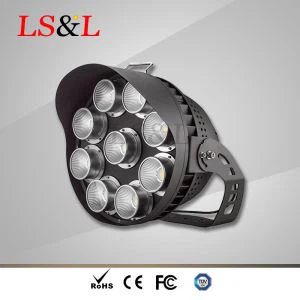
When you receive quotations from multiple manufacturers, many buyers only compare unit prices and fall into low-price traps easily. Configurations, warranty terms and supporting services vary widely between suppliers, so price alone is not a fair benchmark. With years of engineering foreign trade experience, here is how to properly compare quotes for bulkhead light suppliers.
1. Cross-check specifications to ensure identical configurations
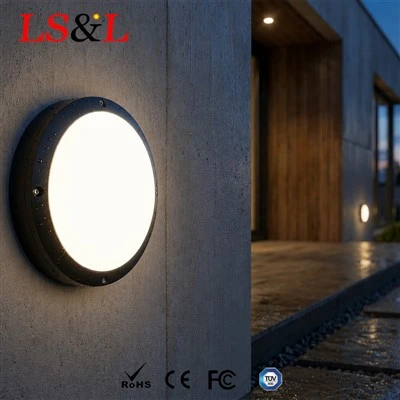
This is the first step of comparison. Verify wattage, colour temperature, ingress rating and luminous flux one by one. Even if marked as outdoor models, some suppliers cut corners and fail to meet the stated protection standard. For open walkway projects, double-check the sealing and housing material of IP65 bulkhead light to prevent suppliers from substituting lower-rated products. Quotes cannot be compared if specs do not match.
2. Confirm the brand and rating of core components
LED chips and drivers create the biggest quality gap. Ask suppliers to list chip brands and driver solutions, and check for surge protection and wide voltage input. Many suppliers submit vague quotations with generic descriptions but ship low-grade components. A lot of buyers sourcing led bulkhead light overlook this point, leading to rapid lumen depreciation and frequent failures after delivery.
3. Check the full feature list to avoid hidden extra charges
Projects requiring emergency backup, sensors or dimming are prone to quotation discrepancies. Confirm battery capacity, emergency runtime, detection range and daylight sensor functions are all included. Some suppliers quote only the bare fixture and charge separately for sensor modules or emergency batteries, which pushes up total project costs later.
4. Verify certifications and test reports match the exact model
Overseas projects usually require CE, UKCA and other certificates. Confirm documents are issued for this specific model, not borrowed from other products. Some low-cost suppliers only provide generic certificates without third-party test reports, which will block site acceptance.
5. Clarify trade terms, packaging and lead time
Check whether the quote is FOB, CIF or DDP, and confirm who covers freight, customs duties and taxes. Packaging options including neutral white boxes, colour boxes and reinforced export cartons carry different costs. Also compare production lead times; delayed delivery from factories with tight capacity can hold up construction.
6. Understand warranty coverage and after-sales replacement rules
Warranty policies differ greatly between manufacturers. Confirm warranty duration, replacement procedures and who bears shipping costs for faulty units. Some cheap quotes come with short warranty periods and require buyers to cover shipping both ways for returns. Reliable suppliers outline clear replacement terms to reduce long-term project risks.

Comparing quotes is not about picking the lowest price. It means finding the best overall value under aligned specifications. Only compare pricing after specs, certifications and after-sales terms are matched, to avoid rework and unexpected extra costs. If you have multiple quotes and need help sorting them out, share your project requirements with us. We can prepare a comparison checklist to help you select the right manufacturer.