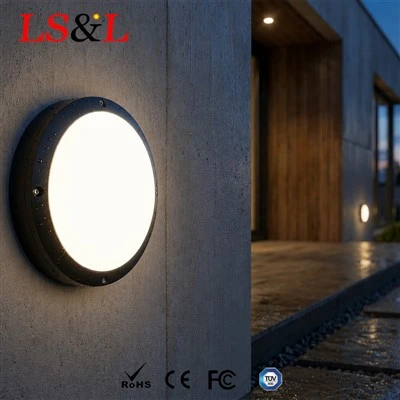
After more than a decade in lighting exports, factory clients often ask how to stop bulkheads from rusting on industrial sites. In coastal, humid, or chemically aggressive areas, housings and brackets often fail first. Here are practical ways to reduce bulkhead corrosion in industrial facilities, based on field experience.
Start with Materials and Surface Finishes
Housing, bracket, and fastener materials set the corrosion floor. Mild steel without effective protection rusts quickly in wet, salty air. Prefer corrosion-resistant alloys, proper powder coating, or stainless fasteners as a system-not only whether the lamp lights.
When an LED bulkhead light is used on a humid route, write protection for visible metal parts into the specification so screws do not fail before the body.
Seal Properly to Cut Paths for Moisture and Salt
Corrosion often begins when water and damp enter. Compressed gaskets, sealed cable entries, and no standing water on the top reduce how much corrosive media reaches cavities and joints.
In wash-down or wind-rain positions, match the IP rating to the site-for example an IP65 bulkhead light or higher-and keep that seal intact after install.
Reduce Water and Dust Traps
Favour forms that drain, and avoid mounting that creates long-term puddles. Clear dust and chemical deposits from the surface on a schedule; deposits hold moisture and worsen local attack.
Use cleaning chemicals with care so coatings and seals are not damaged.
Raise the Standard by Zone
Coastal plants, areas near cooling towers, and acid or alkali vapour zones corrode far faster than dry halls. List these points separately and, where needed, specify an outdoor bulkhead light or chemical-resistant duty-do not use the same spec as a dry inner corridor.
Insulating washers or anti-rust measures at bracket-to-wall contacts can also limit galvanic effects.
Practical Corrosion-Prevention Points
- Housing, bracket, and screw materials and coatings up to standard
- Sealing and IP matched to humid or wash environments
- Install for drainage; limit dust build-up
- Upgrade high-corrosion zones on their own
- Patrol for rust, blistering, and seepage marks
Preventing bulkhead corrosion in industrial facilities rests on materials and coatings, sealed waterproofing, fewer water traps, and upgrades by zone. Corrosion is slow; selection and maintenance together hold it back.
From years of working with factory and export clients, I know rust control cannot wait until paint is already failing. Clear requirements in the specification cost less than replacing whole batches later.

If bulkheads on your site are already corroding, or the plant is coastal and humid, share the area conditions. I can help identify which bulkhead light fits better and set corrosion-prevention measures that match the site.