

I have worked in cold storage lighting export for many years. Many clients only focus on the cold resistance of LED chips while ignoring LED drivers. As the core component of the fixture, the LED driver's electrical properties change directly under low temperatures. Mild issues include flickering, and severe cases lead to failure to start. Drawing on delivered overseas cold chain projects, I will explain how cold temperatures impact driver performance and key points for product selection.
1. Cold temperatures alter capacitor properties and cause startup difficulties
Electrolytic capacitors inside standard drivers suffer capacity loss and rising internal resistance in cold environments. Under sub-zero conditions in cold storage, weakened charge storage capacity prevents the driver from delivering stable current quickly after power-on, resulting in delayed startup, repeated flickering, or even total failure to light up. Many fixtures pass room-temperature sample tests perfectly but malfunction on-site in cold storage, and capacitors are usually the culprit.
When weatherproof LED light is deployed in low-temperature settings, its built-in driver must adopt wide-temperature-range capacitors. Ordinary commercial capacitors cannot withstand continuous cold exposure, with steady capacity degradation over time and drastically shortened lamp lifespan.
2. Temperature fluctuations accelerate component aging and shorten driver service life
Frequent cold storage door openings create alternating hot and cold cycles. Internal driver components expand and contract repeatedly. Solder joints and circuit boards deform continuously, which eventually causes cold solder joints or broken circuits. Once the driver fails, the whole fixture cuts out, raising on-site replacement costs and production downtime losses.
The industrial-grade driver paired with LED tri proof light features circuit boards coated with moisture-proof reinforcement and temperature-resistant components. It withstands repeated temperature shocks in cold storage, reduces risks of poor soldering, and ensures stable long-term operation.
3. Current output drifts in cold conditions and impairs LED chip operation
The core function of a driver is to supply constant current to LED chips. Low temperatures cause drift in the driver's output current. Excessive current accelerates lumen depreciation of LED chips; insufficient current results in dim lighting that fails to meet warehouse illumination design standards. This parameter drift is hardly visible to the naked eye yet creates hidden risks during long-term operation.
When tri proof lights are used for cold storage projects, their drivers must undergo low-temperature aging tests to guarantee steady current output under sub-zero conditions. Do not rely merely on rated specifications during procurement; request actual test data taken at your target low operating temperature.
4. Selection tip: distinguish standard-temperature drivers from low-temperature dedicated drivers
To cut costs, many suppliers fit lights with ordinary room-temperature drivers while only upgrading housing protection. No matter how good the housing protection is, the fixture will still fail easily if driver components cannot resist cold. For overseas engineering purchases, always confirm the driver's operating temperature range and ask for third-party low-temperature test reports.
Besides the driver itself, condensation inside fixtures must also be considered. Moisture entering the lamp cavity corrodes driver circuit boards, and combined with low temperatures, the risk of failure rises exponentially.
Low temperatures affect LED driver performance through capacitor capacity, component structure and output current. Simply upgrading fixture housing protection offers no protection for the power driver. Cold storage projects require dedicated drivers validated via low-temperature aging tests to avoid startup errors and premature breakdown.
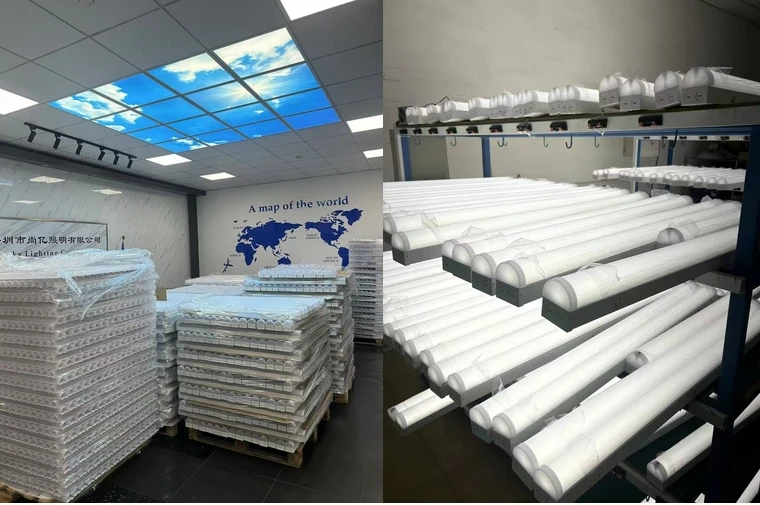
If you are planning a cold storage lighting project and need to verify low-temperature parameters of LED drivers, or worry that standard drivers will fail to start on-site, feel free to get in touch. With years of experience in overseas cold chain lighting projects, I can help you select driver solutions suitable for low-temperature environments and match stable, reliable lighting fixtures.





