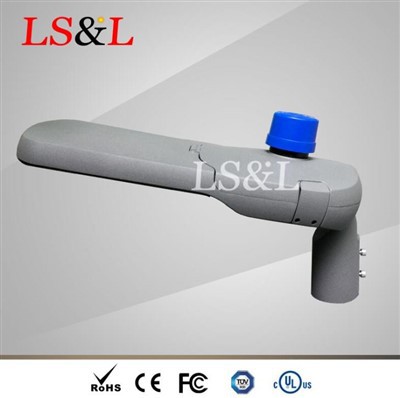
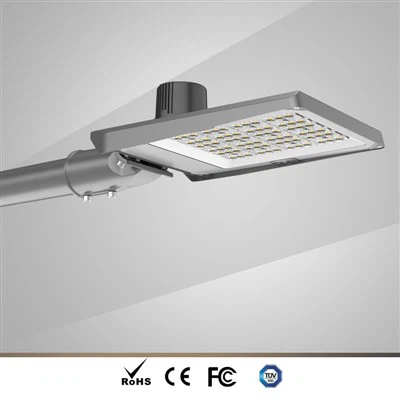
Emergency lighting is an indispensable facility in any building or location, used to ensure the safety of personnel and property protection. The correct lumen number is a key factor in ensuring that emergency lighting systems can function effectively in emergency situations. By understanding the type of building, usage, regulatory requirements, and technological trends, we can better calculate and design emergency lighting systems to provide the best lighting effect and safety. With the continuous development of technology, emergency lighting will continue to evolve to meet constantly changing needs and challenges. Therefore, understanding and valuing the lumen requirements for emergency lighting will become even more important in the future.
1: What is lumen?
Before we delve deeper into the amount of lumens required for emergency lighting, let's first understand what lumens are. Lumen is a photometric unit used to measure the total amount of visible light produced by a light source. It measures the brightness of a light source, rather than its color or direction. The unit of lumen is "lm", which is a fundamental unit in the International Standard System of Units (SI).
In the field of emergency lighting, lumen number is a key factor used to determine the brightness and intensity of lighting equipment. The higher the lumen number, the more light the lighting device will produce, providing better lighting effects.
2: Why is emergency lighting so important?
Emergency lighting is crucial in various places, including offices, schools, hospitals, shops, hotels, factories, and residential areas. In emergency situations such as fires, earthquakes, power outages, and chemical leaks, people need to quickly and effectively find escape routes to ensure their safety. Emergency lighting is a key equipment that comes in handy in these situations.
The main objectives of emergency lighting include the following:
Provide visibility: In emergency situations, heavy smoke, darkness, or other harsh conditions may occur, which may hinder people's visibility. Emergency lighting ensures that people can clearly see the surrounding environment by providing sufficient light, in order to find escape routes and safety exits.
Reduce panic: In emergency situations, people often feel scared and anxious. Good emergency lighting can alleviate panic as it provides an orderly method to help people avoid chaos and chaotic situations.
Compliance with regulations: In many countries and regions, laws stipulate that specific locations must be equipped with sufficient emergency lighting equipment to ensure rapid evacuation of personnel in emergency situations. Failure to comply with these regulations may result in legal liability and penalties.
Protecting property: Emergency lighting is not only crucial for personnel safety, but also for protecting property. In case of fire or other emergency situations, quickly finding an escape route can reduce property damage.
3: The Importance of Lumen Number
Now, let's delve deeper into why lumen count is crucial for emergency lighting. The lumen number affects the brightness and lighting range of emergency lighting equipment. Here are some key aspects of lumen numbers:
Lighting brightness: The number of lumens directly affects the brightness of lighting equipment. A higher lumen number indicates a brighter light source, which is crucial for providing sufficient illumination in dark or smoky environments. If the lumen number is too low, people may not be able to see their surroundings clearly, leading to disorientation or injury.
Lighting range: The lumen number also affects the lighting range of the lighting equipment. In large buildings or rooms, lighting fixtures with sufficient lumens are required to ensure coverage of a wide area. If the lumen count is insufficient, certain areas may be in darkness, increasing safety risks.
Energy efficiency: The lumen number is also related to the energy efficiency of lighting equipment. High lumen numbers typically require more energy to generate, which may increase energy consumption and operational costs. Therefore, balancing lumens and energy efficiency is crucial to ensure efficient lighting systems.
4: Calculation method for lumen requirements
Determining the required lumen count for emergency lighting requires consideration of multiple factors, including building type, usage, and regulatory requirements. The following are some commonly used methods for calculating lumen requirements:
Regulatory requirements: Firstly, local regulations and building codes must be consulted to determine the minimum lumen requirements for emergency lighting. These regulations are usually formulated based on the type of building, usage, and personnel density.
Building type: Different types of buildings may require different quantities of lumens. For example, large public buildings require more lumens to provide sufficient lighting, while residential areas may require less lumens.
Usage: The usage of the building is also a key factor. For example, hospital operating rooms require a higher lumen count than regular wards to ensure that medical personnel can perform delicate surgeries.
Personnel density: The lumen demand is also related to the personnel density inside the building. More people means more lighting is needed to ensure that everyone can see and move.
Lighting system type: Different types of lighting systems have different efficiencies. LED lighting systems are usually more efficient than traditional fluorescent lamps, so they may require less lumens to provide the same level of lighting.
5: Practical Application of Lumen Number
Now, let's take a look at the practical applications of flow numbers in different scenarios. Here are some examples:
Office buildings: In office buildings, emergency lighting is usually used to mark escape routes and evacuation routes. According to the size of the building and regulatory requirements, it is usually necessary to provide a certain number of lumens for each escape channel to ensure safe evacuation of personnel.
Factory and warehouse: In factories and warehouses, emergency lighting is not only used for evacuation, but also to assist personnel in carrying out emergency shutdown procedures in the event of a power outage or emergency. These environments typically require higher lumens to ensure that personnel can perform complex tasks.
Shops and shopping centers: In shops and shopping centers, emergency lighting needs to provide sufficient lighting so that customers can safely leave the building. In addition, it also helps to reduce chaos and panic, as people can clearly see exit signs.
Medical facilities: Emergency lighting is crucial in hospitals and clinics as it ensures that medical personnel can continue to provide care in the event of a power outage or emergency. Key areas such as the operating room require high lumens to ensure the safe operation of medical procedures.
6: Future Trends
With the continuous progress of technology, the field of emergency lighting is also constantly evolving. Here are some future trends:
Intelligent lighting system: The intelligent lighting system can automatically adjust the brightness based on environmental conditions and needs. This can improve energy efficiency and ensure the required lighting levels are provided in emergency situations.
Using renewable energy: More and more emergency lighting systems are adopting renewable energy sources, such as solar and wind, to reduce dependence on traditional power grids and improve sustainability.
Remote monitoring and management: Remote monitoring technology enables building managers to monitor the status and performance of emergency lighting systems in real-time, enabling timely maintenance and repair.