Many first-time buyers ask me the same straightforward question: "How many years can your LED street lights actually last?" It's a fair and practical concern. After more than a decade in outdoor lighting export, I've seen too many projects suffer from premature failures and endless complaints. Today I'll share clear, experience-based insights on LED street light lifespan based on real factory and project feedback.
How Long Do LED Street Lights Really Last?
Compared with traditional high-pressure sodium lamps, LED street lights offer longer service life and lower energy consumption. Quality LED street lights from reputable manufacturers can typically last 10 years or more under normal operating conditions-some reach 12–15 years. "Lifespan" here does not mean the light suddenly goes dark. It refers to the point when luminous flux drops to about 70% of its initial value (the industry L70 standard) while still meeting road lighting requirements.
In actual projects, cheaper products often show noticeable dimming or batch failures after 3–5 years, while well-designed units with solid heat dissipation and reliable drivers maintain good performance even after 8–10 years. The key differences lie in LED chip quality and thermal management.
Chip Quality and Heat Dissipation Are Critical to Longevity
The quality of the LED chips sets the baseline lifespan. Premium chips operated at rated current show a slower, more stable lumen depreciation curve. However, even the best chips will degrade quickly if heat is not properly managed. High junction temperatures accelerate aging. In the export business, we often say "heat dissipation decides survival"-and it is true.
High-quality LED street lights use die-cast aluminum housings with large heat-sink fins, combined with thermal grease or pads, to transfer heat away from the chips efficiently. Effective thermal design keeps internal temperatures within a safe range, extending both chip and driver life. Poor heat dissipation leads to faster lumen depreciation and higher failure rates, especially in hot climates.
Lumen Depreciation and Failure Rate: Two Key Indicators
Two core metrics define practical lifespan: lumen depreciation (light decay) and failure rate.
Lumen depreciation is the gradual reduction in brightness over time. Quality LED street lights typically keep light decay within 20% after five years of normal use; some better-designed products perform even better. This means road illuminance remains adequate and early replacement is avoided. Depreciation rates vary by chip brand, optical design, and operating environment, so reviewing the manufacturer's lumen-maintenance test data is essential.
Failure rates for LED street lights are generally low because the structure is simpler and contains fewer wear-prone parts than traditional fixtures. Reliable products can keep the failure rate under 1% over a 10-year period-meaning fewer than ten units may need repair or replacement out of a thousand installed. This has a major impact on long-term maintenance costs for municipal and industrial projects.
Operating Environment and Maintenance Also Affect Lifespan
Laboratory data alone does not fully represent real-world performance. High temperatures, humidity, coastal salt spray, and heavy dust place extra demands on sealing (IP65 or higher), corrosion resistance, and thermal design. Improper installation angles or unstable power supply can also accelerate aging.
To maximize LED street light service life, start with the product itself: choose units with effective heat dissipation and high protection ratings. Periodically clean the luminaire surface to keep heat-dissipation paths clear. Select stable, well-protected drivers to avoid power-related failures that take the whole fixture offline. These practical steps reduce both maintenance frequency and total cost of ownership.
How to Judge Whether an LED Street Light Is Worth Buying
After years in the trade, I use a simple checklist: examine the chip brand and specifications, check whether the heat-sink structure is substantial, review the driver's warranty and protection features, and ask for real aging-test data plus project references. Extremely low-priced products often cut corners in these areas. Short-term savings frequently turn into higher replacement and maintenance costs later.
Choosing a reliable LED street light is not just buying a fixture-it is investing in a long-term, stable lighting solution. Slow lumen depreciation and low failure rates keep road illuminance consistent and fully realize the energy-saving and longevity advantages of LED technology.
Conclusion
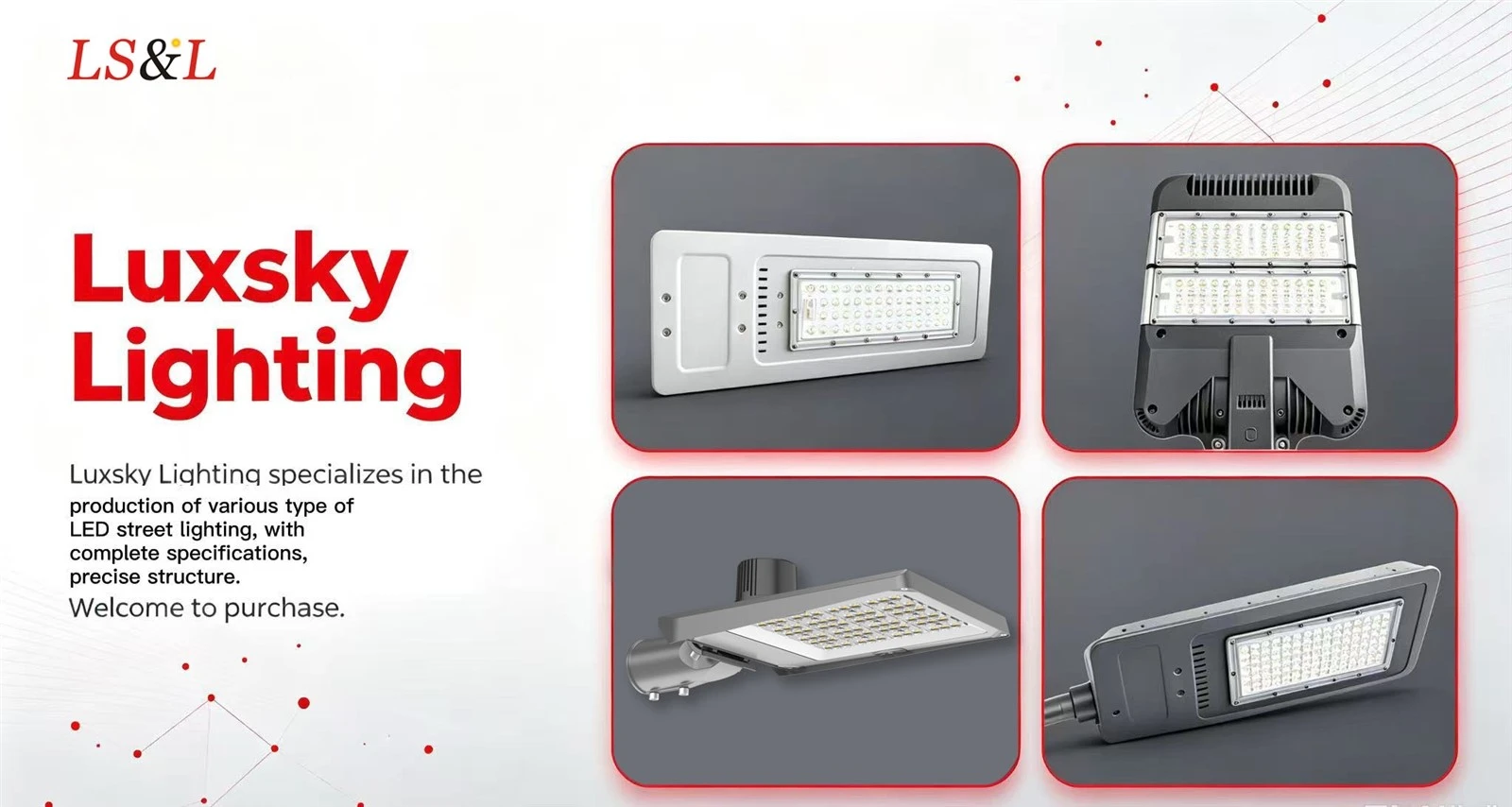
At Luxsky Lighting, we focus on rigorous control of chips, thermal design, and drivers. Our LED street lights deliver stable lumen maintenance and low failure rates in real projects, providing dependable long service life. Contact us for detailed technical specifications and project references so we can help you achieve truly reliable lighting performance.