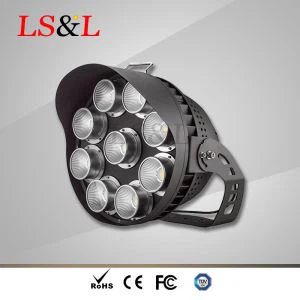
Many overseas buyers ask about the price range for industrial LED bulkhead lights. Prices vary widely, and comparing unit prices alone often leads to costly mistakes. With years of foreign trade experience, I will break down the key factors that shape quotations for a bulkhead light, to help you with budgeting and price comparison.
1. Ingress rating creates major base price gaps
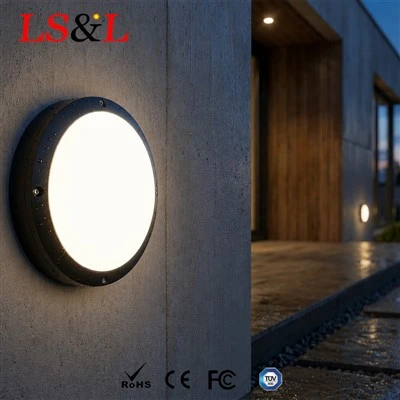
The protection class is the most straightforward pricing factor. Standard indoor models use simpler materials and cost less. For damp or exposed outdoor sites, IP66 bulkhead light requires upgraded housings, gaskets and cable glands, which push up the cost of waterproof and dustproof components. Do not budget for high-rated outdoor units based on the price of basic indoor fixtures, as their material standards differ greatly.
2. Light source and driver quality determine long-term costs
LED chips and drivers form the core of the fixture. Low-cost options use low-grade chips and basic capacitor drivers, which seem cheap upfront but trigger frequent after-sales issues. Reliable project-grade fixtures adopt well-known LED chips paired with wide-voltage drivers with surge protection. Many buyers sourcing led bulkhead light only focus on initial pricing and overlook hidden costs from replacements and production downtime.
3. Extra features add significant cost premiums
Basic non-dimmable models carry the lowest price tag. Adding sensors, emergency backup, dimming or DALI control requires extra modules, batteries and circuit boards, which raise overall costs. For emergency variants, battery capacity and cycle life also affect quotations; longer runtime versions command higher prices. Confirm the full feature list before ordering to avoid missing items in the quote.
4. Housing material and shape drive cost differences
Common housing materials include ABS, PC and aluminium alloy. Aluminium offers superior heat dissipation but costs more than plastic casings. Product shape also impacts pricing. Custom moulded designs spread tooling costs across the order. Standardised models come with stable lead times and competitive unit rates, ideal for large factory retrofit projects.
5. Order volume, certifications and packaging affect unit rates
Larger purchase volumes reduce per-unit production costs. Project orders requiring full CE, UKCA and other certifications absorb certification expenses into the unit price. Additional variables include neutral packaging, colour boxes, export reinforced cartons and separate test reports. Small sample orders normally have a higher unit price than bulk orders.
6. Logistics and warranty terms should not be overlooked
Trade terms such as FOB, CIF and DDP define who bears freight and customs charges. Some low quotations exclude warranty coverage, meaning the buyer covers spare parts and shipping for future failures. Formal project quotations clearly state warranty periods and replacement rules, delivering better overall value.

Price comparison should never rely solely on unit cost. Calculate the full lifecycle expense considering site conditions, lifespan, warranty and support. Fixtures built for long-term factory use are rarely the cheapest option. If you are building a project budget and need quotation guidance, send over your specifications, quantities and required features, and we will prepare a clear pricing proposal for you.