Introduction: The Energy-Saving Potential of LED Street Lights
With global energy demands on the rise and the urgency of combating climate change becoming more pronounced, reducing energy consumption and carbon emissions has become a critical focus for governments worldwide. In this context, LED street light technology, as an energy-efficient and eco-friendly lighting solution, is rapidly replacing traditional street lighting systems such as sodium lamps, halogen lamps, and fluorescent lights. Compared to traditional lighting, LED street light not only provides better lighting quality but also significantly reduces energy consumption and maintenance costs.
According to the International Energy Agency (IEA), street lighting systems account for about 2% of global energy consumption. Therefore, the widespread adoption of LED street light is a crucial step toward reducing urban energy usage. This article will delve into the energy-saving effects of LED street light, examining how the technology works, its energy-saving advantages, market trends, and how it integrates with other technologies like solar power and smart controls to further improve energy efficiency.
1. What is an LED Street Light?
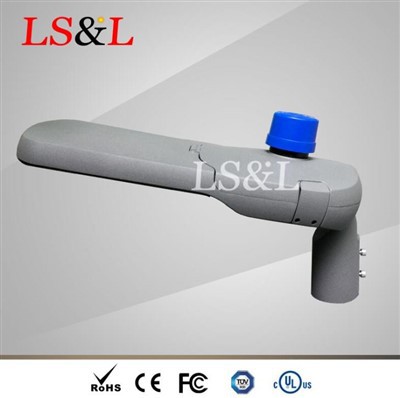
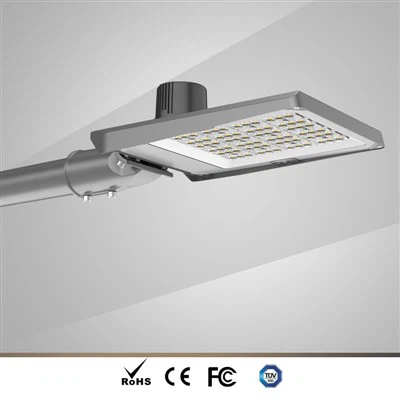
LED street light is a type of street lighting that uses Light Emitting Diode (LED) technology, typically employed for illuminating roads, streets, public spaces, and highways. LED street lights operate by converting electrical energy into light using semiconductor materials, offering a higher light efficiency and energy efficiency than traditional lighting technologies. Unlike conventional sodium lamps and fluorescent lights, LED bulbs lose much less energy in the form of heat, which makes them far more efficient.
The LED street light bulb is the core component of an LED street light, responsible for converting electrical power into light energy. These LED bulbs provide bright, stable lighting while consuming less energy than traditional light sources. Other components of an LED street light include the lamp housing, power supply, and control system.
The application of LED technology is not limited to street lighting. Today, LED light street lighting is widely used in urban landscape lighting, commercial lighting, industrial lighting, and more. Compared to traditional lighting technologies, LED offers significant advantages, especially in terms of energy savings and environmental impact.
2. How Do LED Street Lights Save Energy?
The energy-saving effect of LED street light comes mainly from its high energy efficiency and low power consumption. In traditional sodium lamps and halogen lamps, a significant portion of the electrical energy is lost as heat, which leads to wasted energy. In contrast, LED street light fixtures utilize a semiconductor-based process that converts most of the electrical energy into light, greatly improving energy usage efficiency.
The light efficiency of LED street light is typically 50% higher than that of traditional lighting technologies. For example, a 150W LED street light can provide the same amount of brightness as a 250W high-pressure sodium lamp, but it consumes 60% less power. This increase in energy efficiency means that cities using LED street lights can significantly reduce electricity consumption without compromising lighting quality, thereby lowering electricity costs.
Furthermore, the LED street light bulb has a much longer lifespan compared to traditional bulbs. While conventional high-pressure sodium lamps and metal halide lamps last around 10,000 hours, LED bulbs can last up to 50,000 hours or more. This extended lifespan means that LED lights require fewer replacements and less maintenance, further reducing overall costs.
2.1 Comparing Energy Savings Between LED and Traditional Street Lights
The energy savings of LED street light can be more clearly understood by comparing it with traditional street lighting. According to several studies, LED street light fixtures are 50% more energy-efficient than traditional street lights. For example, replacing a 250W high-pressure sodium lamp with a 150W LED street light provides the same level of brightness while reducing electricity consumption by up to 60%.
Data shows that after converting to LED street lighting, some cities have reduced their public lighting electricity consumption by approximately 70%. This represents a massive energy saving, especially for large urban areas. For instance, in New York City, the full-scale conversion to LED street lights saves over 1 billion kilowatt-hours of electricity annually, which is equivalent to reducing carbon emissions by around 20,000 tons.
2.2 Supporting Energy-Saving Data
According to a study by the International Energy Management Association (IEMA), switching to LED street lights can reduce a city's street lighting energy consumption by at least 50%. In some cases, the energy savings can reach up to 70%. For instance, cities using 100W LED street light fixtures have saved significant amounts of electricity while still maintaining high lighting quality. For public facilities, the maintenance costs of LED street light systems are also significantly lower compared to traditional lighting.
3. The Energy-Saving Effect of Smart and Solar LED Street Lights
With the continuous advancement of technology, the combination of smart controls and solar power has further enhanced the energy-saving capabilities of LED street light systems. Below are the specific benefits of these technologies:
3.1 Smart LED Street Lights
Smart LED street light systems integrate photocell sensors, motion sensors, and remote control capabilities to automatically adjust the brightness based on ambient lighting and traffic conditions. For example, when there are no vehicles or pedestrians on a street, the LED lights can automatically dim, reducing energy consumption.
In a case study in Los Angeles, smart LED street light systems reduced electricity consumption by 20%-30% compared to traditional street lights. In some areas, LED lights equipped with motion sensors automatically brighten when vehicles or pedestrians are detected, and dim when no movement is detected, further reducing unnecessary energy usage.
3.2 Solar LED Street Lights
Solar LED street light combines LED technology with solar power to create a self-sustaining street lighting solution. During the day, solar panels charge the lights using solar energy, and at night, the lights provide illumination without drawing power from the grid. The main advantage of solar powered LED street light systems is that they reduce dependency on the power grid, making them ideal for areas without access to electricity.
Solar LED street light also saves energy by being completely independent of the electrical grid, thus reducing both energy consumption and public lighting system maintenance costs. Compared to grid-powered LED street lights, solar LED street light systems have almost zero operational costs. In some regions, adopting solar LED street light has led to annual savings of millions of kilowatt-hours of electricity.
4. Other Advantages of LED Street Lights
In addition to their energy-saving benefits, LED street light systems offer several other advantages, which have contributed to their widespread adoption:
- Higher Light Efficiency: Compared to traditional lighting technologies, LED street light provides more uniform and stable illumination. They can deliver higher brightness at lower power consumption, with no issues of light degradation over time.
- Eco-Friendly: Unlike traditional street lighting, LED street light fixtures do not contain harmful materials such as mercury and lead, making them much more environmentally friendly and compliant with global environmental standards.
- Low Heat Emission: LED street light produces very little heat, which not only reduces the risk of damage due to overheating but also minimizes energy consumption for air conditioning and cooling systems.
- Reliability and Durability: LED street light is highly durable and reliable, capable of withstanding various weather conditions, including high temperatures, low temperatures, and rain, making them suitable for different climates and road conditions.
5. Market Trends and Developments
As LED technology continues to evolve, the market for LED street light is expanding rapidly. According to market research, the global LED street lighting market is projected to grow at a compound annual growth rate (CAGR) of over 10% in the next decade. Many countries and regions have recognized the immense potential of LED street light in reducing energy consumption, improving lighting quality, and reducing environmental pollution, and have already begun large-scale replacement programs.
Urban Lighting System Upgrades: Many cities around the world have already begun implementing LED street light replacement programs. For example, cities like Shanghai, Los Angeles, and London have adopted LED street light as the primary form of street lighting. By fully upgrading their public lighting systems, these cities have significantly reduced energy consumption, while also improving nighttime safety and visibility.
The Rise of Solar LED Street Lights: In areas with limited access to the power grid, solar LED street light systems are becoming a viable solution. These systems are ideal for remote areas and countries that rely on off-grid energy solutions. The widespread use of solar LED street light is growing, with governments and organizations looking for sustainable and cost-effective street lighting options.
6. Frequently Asked Questions
- How much energy do LED street lights save?
LED street light can save up to 50% more energy than traditional street lighting. Additionally, with extended lifespans and lower maintenance costs, LED street light systems can significantly reduce long-term operational expenses.
- How do I choose the right LED street light?
When selecting LED street light fixtures, it is important to consider the lighting requirements for the area, the power rating of the light, and its expected lifespan.
- Are LED street lights suitable for all regions?
Yes, LED street light systems are suitable for all climates and regions, particularly for areas where energy efficiency is a priority. In remote areas, solar LED street light systems provide an ideal solution for sustainable street lighting without grid dependence.
Conclusion
In conclusion, LED street light technology provides significant energy-saving benefits, while also offering advantages such as longer lifespan, lower maintenance costs, and reduced environmental impact. The integration of smart controls and solar power further enhances the energy-saving potential of LED street light systems. Whether for urban road lighting, remote area lighting, or in the context of broader environmental goals, LED street light has proven to be a highly effective solution for modern cities around the world.