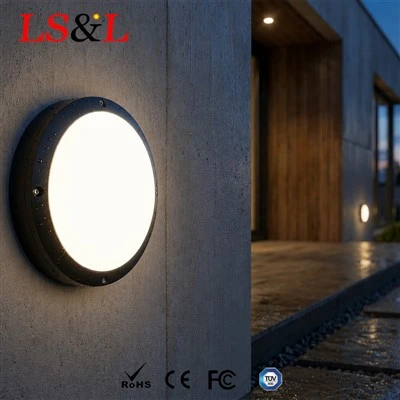
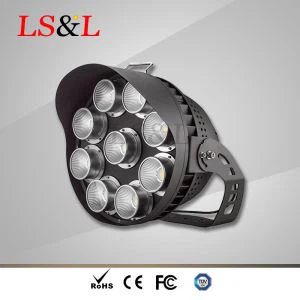
Many overseas factory clients ask how often industrial bulkhead lights should be inspected. Inspection schedules cannot be set arbitrarily; they need to follow local electrical codes, site conditions and fixture types. With years of on-site project experience, we will cover standard inspection intervals and checkpoints for bulkhead light.
1. Monthly visual inspection for obvious defects
This basic routine must not be skipped. Maintenance staff visually check for cracked housings, aged gaskets, fogging or water inside the lens, and moisture marks around cable entries. Outdoor-installed IP65 bulkhead light is exposed to sun and rain, so monthly checks help catch failing seals early before issues escalate.
2. Quarterly functional testing for power and light output
Carry out power-on tests every three months. Confirm steady lighting and check for flickering or colour shift. For emergency variants, verify smooth emergency activation. This interval suits standard warehouses and light-industrial workshops with stable conditions, low dust and moderate humidity. It keeps lighting reliable without heavy labour costs.
3. Bi-annual in-depth check focusing on protection and mounting
For harsh environments including high humidity, heavy dust and coastal salt spray, schedule a thorough inspection every six months. Retighten screws, inspect cable gland seals, remove surface dust and clear blocked drain holes. Many sites install led bulkhead light along walkways and beside machinery. Constant vibration can loosen internal wiring, and bi-annual checks catch these hidden risks.
4. Annual full testing aligned with third-party compliance audits
Run a complete comprehensive test once per year. Beyond appearance and function, test drivers, emergency battery runtime and insulation resistance, and keep formal records. Most regional industrial safety audits require annual lighting reports. Emergency models especially rely on this test to assess battery degradation and remaining service life.
5. Extra ad-hoc inspections triggered by special conditions
Add urgent checks after heavy rain, typhoons or site washdowns. These events can damage sealing and let moisture enter the fixture cavity. For newly installed or upgraded lighting systems, a follow-up inspection one month after commissioning is recommended to confirm stable performance.

There is no one-size-fits-all inspection schedule. The harsher the working environment, the more frequent the checks. A structured maintenance plan extends fixture lifespans, meets local safety requirements and lowers risks of shutdowns and penalties. If you are unsure which inspection routine fits your facility, share your site conditions and fixture list with us, and we will create a practical maintenance schedule for you.