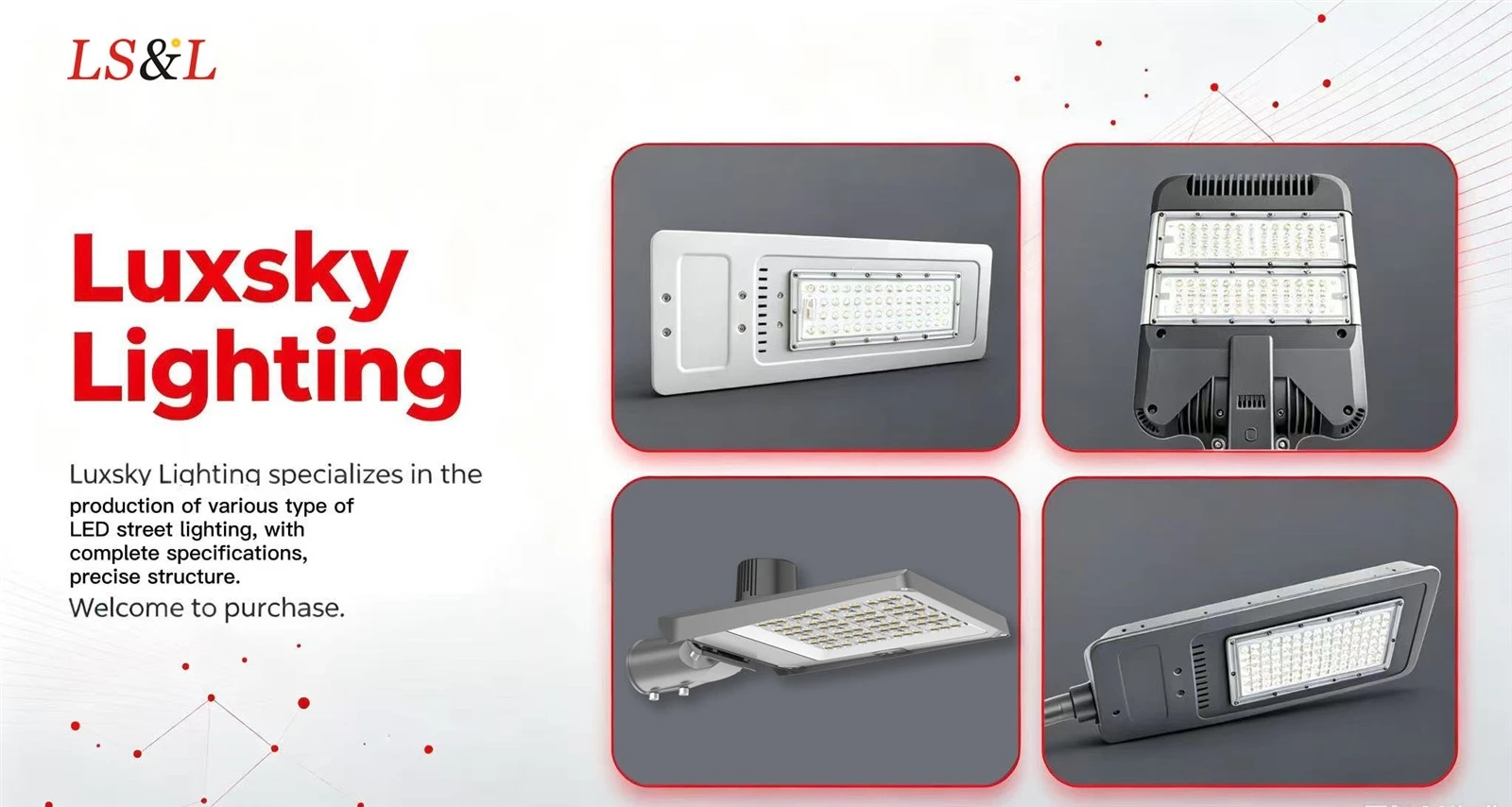
Over the years in the lighting export business, I often have customers bring yard layout drawings and ask, "How exactly should we space the poles, and what's the right distance?" This question seems simple, but it's actually quite technical-get the layout wrong, and even the best fixtures won't perform as they should. Today, drawing on years of port project experience, let's talk through the ins and outs of yard lighting layout.
Key Questions to Answer Before Layout Design
Many customers jump straight to "how much per set," but honestly, quoting a price before understanding the site conditions rarely results in a reliable solution. Before taking on any project, we always confirm several key pieces of information with the customer:
- Yard size and shape (rectangular vs. irregular shapes significantly affect layout approach);
- Container stacking height (4 layers or 6 layers directly determines pole height and beam angle selection);
- Equipment types used (reach stackers, gantry cranes, quay cranes have different uniformity requirements);
- Whether existing electrical infrastructure is available on site.
Without clarifying these details, simply copying another project's plan often results in inadequate illuminance or unnecessary waste. This is exactly why professional roadway LED lighting engineering suppliers require detailed site data from customers before proposing a solution.
Determining Pole Height and Spacing
Yard poles typically use 25-40 meter high masts, with the specific height determined by stacking layers and equipment height combined. Poles that are too short create shadows from container blockage; poles that are too tall, while covering larger areas, lose some light efficiency and increase investment costs.
For spacing, a common industry reference is 2-3 times the pole height, but yards differ from ordinary roads-container stacking patterns also block light and must be factored in. We typically recommend customers add extra fixtures along key operational corridors and gantry crane travel paths to avoid illuminance blind spots. This is exactly why our strict quality-controlled LED engineering lighting solutions always include professional illuminance simulation calculations-layout isn't a guessing game; it needs software simulation to verify uniformity and illuminance meet standards.
Beam Angle Selection Directly Affects Layout Results
Beyond pole height and spacing, the fixture's light distribution curve is equally critical. Common beam angle types for yard lighting include:
Symmetrical wide-beam distribution: Suitable for open yard areas, offering extensive coverage and good uniformity;
Asymmetric distribution: Suitable for areas near perimeter walls and road boundaries, reducing light pollution and spillage;
Narrow-beam high-mast lighting: Suitable for extra-tall pole installations, offering strong focusing and penetration.
Choose the wrong beam angle, and even a well-positioned pole layout will result in "dark where it should be bright, glaring where it shouldn't be." This is exactly where many customers have gotten burned before-buying cheap fixtures only to find the beam distribution wasn't professionally designed, with actual on-site performance falling far short of advertised specs.
Smart Layout for More Efficient Management
Working with port customers in recent years, I've noticed more and more projects prioritizing intelligent management, especially Smart outdoor light systems. A well-designed layout combined with smart controls enables:
Group control by operational zone, with automatic power reduction during off-peak hours;
Remote fault alerts for individual fixtures, reducing manual inspection costs;
Dimming linked to operational schedules, avoiding the energy waste of "all lights on" approaches.
For port yards operating 24/7, intelligent systems aren't just a nice-to-have-they're a genuine way to help customers cut electricity and maintenance costs substantially.
Layout Design Recommendations for Customers
Based on years of project experience, here are a few recommendations for customers planning a yard lighting upgrade:
Provide detailed site layout drawings and equipment specifications upfront;
Request professional illuminance simulation reports from suppliers, not just verbal promises;
Prioritize manufacturers with proven port/yard project case studies;
Confirm the fixture's protection rating and heat dissipation design suit your local climate.
Getting these details right is what truly ensures a lighting system that lasts and runs smoothly with minimal hassle.
Conclusion
Port yard lighting layout is a systematic engineering task, requiring careful consideration of pole height, spacing, beam angle selection, and smart management, among other factors. This is exactly why we've always upheld Strict quality control standards, providing professional illuminance simulation and customized layout plans for every yard project, ensuring every dollar our customers invest delivers real value.
If you're planning a yard lighting upgrade or new installation, feel free to reach out to the Luxsky Lighting team. We're happy to provide free professional layout planning and product selection advice based on your site conditions.