As an LED street light manufacturer with more than twelve years of export experience, I have supplied lighting to farms, logistics parks, hospitals and industrial zones in the Middle East, Southeast Asia, Africa and South America. A farm owner once told me: "After the workers go home at 9 p.m., nobody is out there until 5 a.m. Yet every light burns at full power all night." That is wasted money. But an empty farm is not a risk-free farm. Theft, animal escapes and night checks still happen. Here is how I advise customers to balance savings and safety.
Define What "Unattended" Really Means
Even when no one is working, a few things still need light: security cameras, the occasional night patrol, animal checks and emergency access. List who might enter the site at night and which routes they use. This tells you which areas can go very low and which must stay ready.
Set a Low Base Level, Not Zero
For roads, yards and fence lines, a base level of about 20% to 30% is a common starting point when nobody is present, rising to full output when a sensor detects a vehicle or person. Check that cameras still record usable images at that level, because some cameras need more light than the human eye. Good LED street lights for farms should support 0-10V, DALI or PWM dimming. These values are general references, so follow your local standard.
Use Motion Sensors and Linked Poles for Security
Motion sensing turns the dimmed farm into a security tool. When someone enters, the lights ahead brighten and the intruder is exposed, while the camera gets a clear picture. Linking neighboring poles makes light "follow" a person or vehicle along the road, so nobody walks into a dark patch. Use smooth ramps, because a driver can be dazzled, even for two seconds, if brightness jumps suddenly. Near livestock, avoid abrupt changes, and follow your local animal welfare guidance and your vet's advice.
Keep Critical Points Higher and Check Settings Regularly
Gates, fuel points, grain stores, machinery yards and animal handling areas deserve a higher base level, because these are the most attractive and most sensitive spots. Review the schedule each season, since work patterns change. Quality LEDs already save about 50% to 70% electricity compared with old sodium or metal halide lamps, and unattended-hours dimming can add another 30% to 50% on quiet areas. That also lowers load on weak farm cables and stretches battery life on solar versions. Confirm the dimmed levels with a DIALux simulation using real IES files.
Choose Reliable Hardware and a Supplier Who Stands Behind It
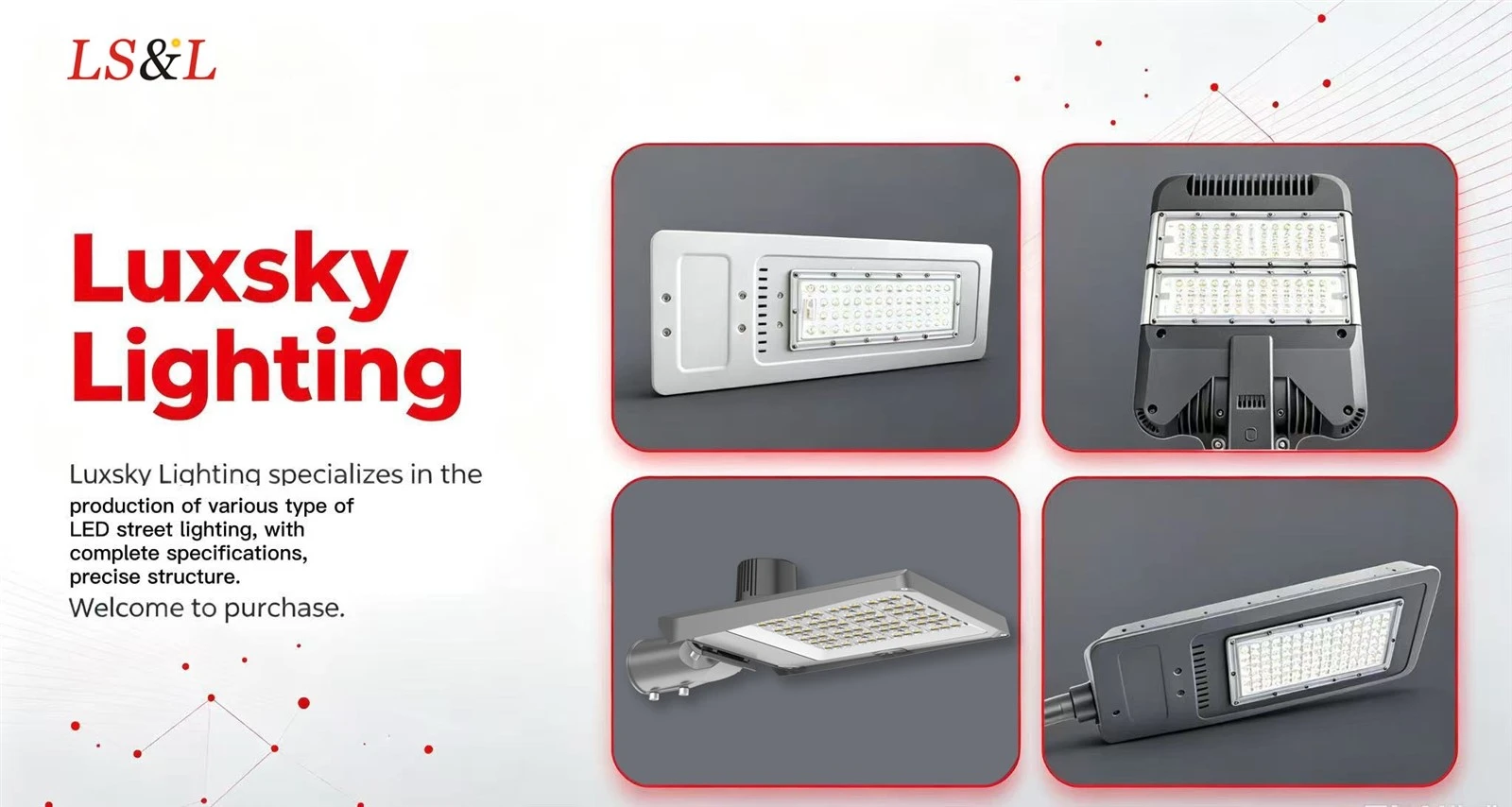
Dimming and sensing only work if the driver and sensor survive farm conditions: unstable voltage, dust, humidity and lightning. Choose a wide-voltage, flicker-free driver with IP66, IK08 and surge protection of 6kV to 10kV. Replacing one fixture on a 6-meter pole means hiring equipment and stopping work, so I suggest an LED lighting supplier with 5 year warranty and a real factory behind it. As an LED lighting OEM manufacturer, we also customize wattage, beam angle, color temperature and branding for project buyers and distributors. Our quality standard includes:
- Branded LED chips and flicker-free dimmable drivers, 100% aging test before packing
- Die-cast aluminum housing, IP66 / IK08, 6kV to 10kV surge protection, CE and RoHS certified, with real IES files and test reports for DIALux design
When a customer asks me for a 5-year warranty, I can say yes with confidence, because we test before shipment, not after complaints.
Conclusion
When nobody is working at night, keep a low base level, use motion sensing for security, keep critical points higher and review settings each season. Our LED street lights are built with strict quality control, so they stay bright, stable and energy-efficient for years.
If you are planning a new farm project or upgrading an old one, choose Luxsky Lighting. Contact us today for a free DIALux layout and a competitive quote.