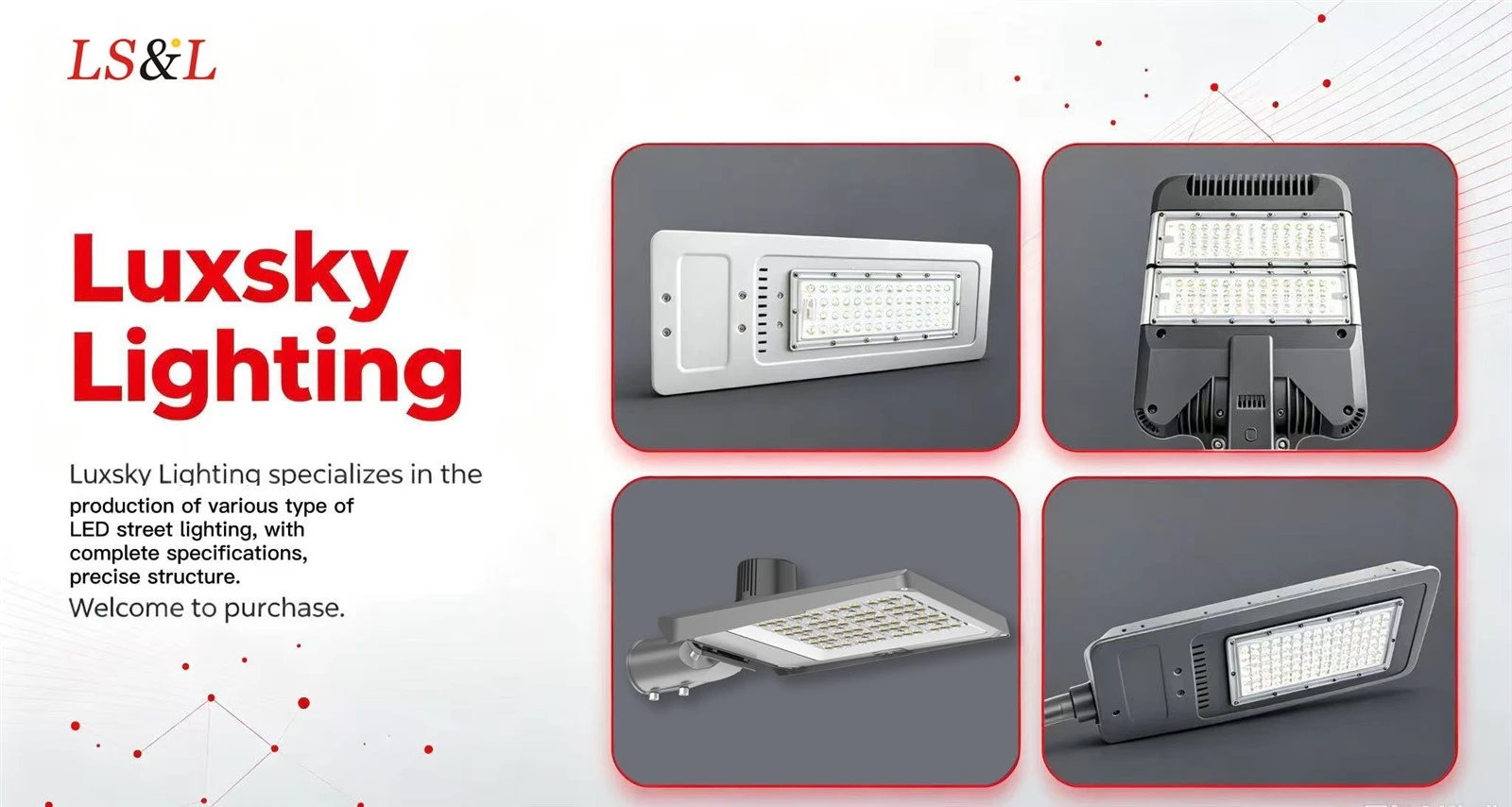
As an LED street light manufacturer with more than twelve years of export experience, I have supplied lighting to hospitals, logistics parks, campuses and industrial zones in the Middle East, Southeast Asia, Africa and South America. A hospital manager once asked me: "After midnight, our service roads and back car parks are almost empty. Why are all the lights still at full power?" It is a fair question. Dimming quiet areas saves energy and reduces light entering patient rooms, but it must be done carefully. Here is the method I share with my customers.
Study Your Real Night-Time Activity First
Before setting any dimming level, record how people and vehicles move through the campus at night. Most hospitals show a clear pattern: busy at shift change, quiet in the middle of the night, then active again before dawn. Check gate records, CCTV counts and shift schedules for at least one or two weeks. Without this data, any dimming plan is only a guess, and a wrong guess can leave people in the dark.
Separate Quiet Areas from Critical Areas
Not every area should dim. Low-traffic candidates include service roads, staff car parks, back car parks, garden paths and building edges. Critical areas must stay stable: ambulance routes, the emergency entrance, crossings and junctions. As a general reference, quiet areas can drop to about 30% to 50% late at night and rise to full output when a person or vehicle approaches, while critical areas keep a stable safe level all night. Good LED street lights for hospitals should support 0-10V, DALI or PWM dimming. These values are general references, so follow your local standard.
Use Smooth Transitions and Linked Lights
A simple schedule works well: 100% until midnight, 50% from midnight to 4 a.m., then back to full output before the morning shift. Use a smooth ramp of several seconds when the level changes, because a driver can be dazzled, even for two seconds, if lights jump suddenly from very low to very high. Linking neighboring poles also helps, so the lights ahead brighten before a person arrives and nobody walks into a dark patch.
Never Dim Below a Safe Minimum
Saving energy must not create dark spots. Keep a minimum level, usually 30% to 50%, so CCTV cameras still record clear images, security staff can patrol safely and people on foot can see steps and ground changes. Lower light near wards also helps patients sleep. Confirm the dimmed lux level and uniformity with a DIALux simulation using real IES files. Quality LEDs already save about 50% to 70% electricity compared with old sodium lamps, and low-traffic dimming can add another 20% to 30%. Use your own tariff and operating hours for a real estimate.
Choose Reliable Hardware and a Supplier Who Stands Behind It
Dimming only works if the driver is reliable. A cheap driver may flicker or lose its dimming function after a year or two. Replacing one fixture on an 8-meter pole means hiring a lift, closing a lane and disturbing hospital operations, so I suggest an LED lighting supplier with 5 year warranty and a real factory behind it. As an LED lighting OEM manufacturer, we also customize wattage, beam angle, color temperature and branding for project buyers and distributors. Our quality standard includes:
- Branded LED chips and flicker-free dimmable drivers, 100% aging test before packing
- Die-cast aluminum housing, IP66 / IK08, 6kV to 10kV surge protection, CE and RoHS certified, with real IES files and test reports for DIALux design
When a customer asks me for a 5-year warranty, I can say yes with confidence, because we test before shipment, not after complaints.
Conclusion
To adjust brightness in low-traffic hospital areas, study the real activity, separate quiet zones from critical routes, use smooth transitions and keep a safe minimum. Our LED street lights are built with strict quality control, so they stay bright, stable and energy-efficient for years.
If you are planning a new hospital project or upgrading an old one, choose Luxsky Lighting. Contact us today for a free DIALux layout and a competitive quote.