Lighting in Different Spaces
The power of lighting varies dramatically depending on how you use it. Each type of road and public space has specific requirements that affect your LPD calculations.
1. Highways and Main Roads
You need to be meticulous about the lighting on highways. They are the most demanding street light application. You need LPD levels of 0.8 to 1.2 watts per square meter to achieve the best visibility for high-speed traffic.
Main roads need consistent, bright light to ensure driver safety at moderate to high speeds. LED fixtures for these applications use around 200-400 watts each, depending on pole spacing and road width. The key is to select LED street lights with appropriate beam angles and light distribution. This will help to minimize glare and maximize brightness on the road surface.
Modern LED highway lighting systems use advanced optics to focus light precisely on the road. This targeted approach reduces light pollution and allows lower LPD while maintaining safety standards.
2. Residential Street Lighting
Lighting in residential areas has different lighting requirements that allow for lower power density. These lights typically achieve adequate lighting with LPD levels of 0.3 to 0.6 watts per square meter.
Neighborhood streets focus on creating safe, comfortable environments for walkers and cyclists. LED lights for neighborhood use emphasize warm color temperatures and minimal glare.
Community safety is most important in neighborhood lighting design. Proper LED street light placement ensures proper lighting at intersections, crosswalks, and along sidewalks.
3. Parking Lot and Area Lighting
Large parking areas and public spaces need uniform lighting across the entire area. The LPD level for lights used in these areas depends on security requirements and usage patterns.
Parking lots at shopping centers need bright, even lighting to ensure customer safety and security. LED area lights in these places have wide light distribution patterns to cover large areas efficiently.
Industrial parking areas and freight terminals often require brighter lights for safety during loading. The power of lighting in these applications focuses on preventing accidents while maintaining energy efficiency.
4. Pedestrian and Pathway Lighting
Pedestrian areas, bike paths, and park walkways require specialized lighting approaches.
Pathway lighting emphasizes creating safe, welcoming environments for pedestrians while minimizing light pollution. LED lights used for this pay careful attention to beam angles and mounting heights.
Park and recreational area lighting must balance safety requirements with environmental sensitivity. Many cities now require shielded lights and warm color temperatures to reduce impact on wildlife.
How Can You Quickly and Efficiently Design Lighting for Different Spaces?
1. Use Professional Software
Dialux and agi32 are the two most commonly used software for lighting design. They can efficiently and effectively solve the lighting problems of most spaces.
2. Find a Professional Lighting Company
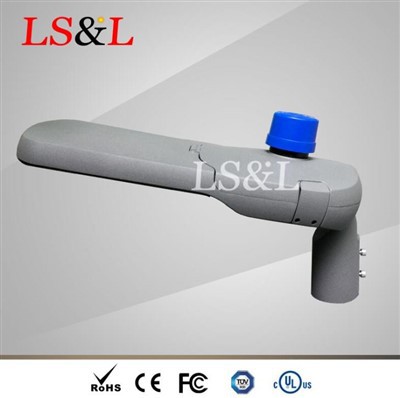
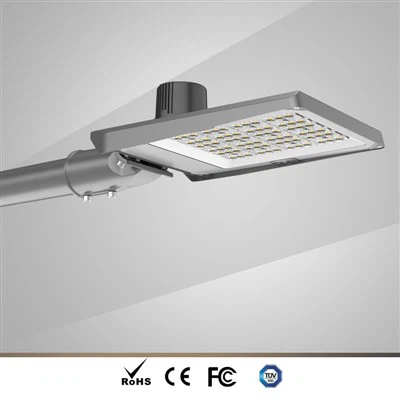
In lighting design, choosing an experienced partner is crucial. Luxsky Lighting has repeatedly won bids with its efficient and energy-saving designs. It has accumulated extensive experience in numerous domestic and international projects. Without a doubt, Luxsky Lighting has become a trusted lighting solutions provider in the industry. The following are some of the lamps commonly used by the company.
Best choice to choose--Luxsky Lighting ' s New Street Light
1. External integrated power supply with a unified interface reduces maintenance costs.

2. NFC wireless programming requires no wiring and cuts installation costs.

3. 94.5% efficiency and automatic dimming enable round-the-clock energy savings and lower electricity costs.
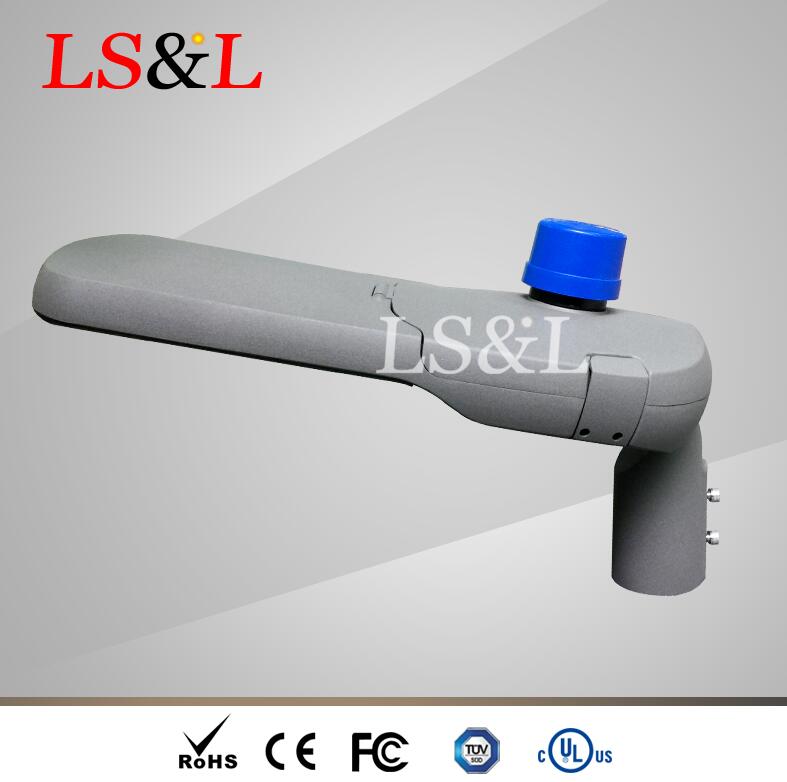
If you're interested, please click https://www.luxsky-light.com/led-street-lights/the-innovative-design-of-led-street-lights.html.
Reducing Energy Costs For Older Lights
If you're wondering how to reduce energy costs for sodium lighting and other older systems, there are several effective options.
Sodium lights are used in parking lots, streetlights, and warehouses. But, they use a lot of electricity and generate excessive heat.
The most impactful change you can make is upgrading to LED technology. LED lights use a fraction of the power that sodium lights consume while providing better color quality and longer lifespans.
If you can't replace all your sodium lights at once, start with the ones that run the longest hours each day. Main roads and highways that operate all night will give you the biggest savings when you switch them to LEDs.
Installing smart lighting controls also provides another opportunity for savings. Occupancy sensors can dim street lights during low-traffic periods. Adaptive lighting systems can automatically adjust brightness based on environmental conditions and traffic patterns.
Regular maintenance keeps your sodium lighting system running. Clean fixtures and reflectors provide more light output. So you don't need to buy more lights if they dim. You may just need to clean the existing ones.
Replacing worn parts before they fail prevents your system from drawing more power than necessary.
Consider zoning your lighting so you only light the areas you're actually using. Instead of lighting an entire parking lot, try this. Use motion sensors to bring lights to full power only when vehicles or people are present. This targeted approach can reduce your overall LPD while maintaining safety.