After more than twenty years in foreign trade, I have handled quite a few hospital outdoor lighting projects. Inside a hospital, the usage times and intensity of emergency lanes, main entrances, parking lots, and pedestrian walkways are not the same. If the same brightness is used all night, electricity costs run high or critical sections are not bright enough when needed. Controlling street light brightness by area usage is a practical way to balance safety and energy savings. Drawing from practical experience, here is how to control it more appropriately.
First Clarify How Each Area Is Used
Emergency and main entrances may still have vehicles and people at night, so brightness should remain sufficient and stable; parking lots see less traffic after midnight and can reduce power appropriately; secondary walkways only need a safe illuminance level when few people are present. Clarifying needs before setting control strategies works better than a one-size-fits-all approach. An experienced LED street light manufacturer can usually help with zoning and time-period planning.
Use Zonal + Time-Based Dimming
Smart LED street lights can set different brightness curves by circuit or by individual luminaire: full brightness at peak times, reduced to a set percentage late at night, then restored in the early morning. A capable LED lighting OEM manufacturer can provide stable dimming drivers and control solutions that remain flicker-free at low brightness.
Be Cautious When Reducing Power in Critical Areas
For ambulance lanes and emergency drop-off zones, the reduction should not be too aggressive-safe passage and entrance recognition always come first. Non-core areas can pursue energy savings more actively.
Combining Light Sensors and Timers Is More Convenient
Light sensors handle automatic switch-on at dusk; timers handle the nighttime curve, reducing manual switching. A remote platform can also fine-tune settings for holidays or temporary events without repeated on-site changes.
Product Stability Is the Prerequisite for Control
No matter how good the strategy is, frequent fixture failures make zonal control meaningless. Choose products with reliable protection, heat dissipation, and drivers, and prioritize the assurance of an LED lighting supplier with 5 year warranty to reduce "blank" periods of inadequate brightness during maintenance.
Conclusion
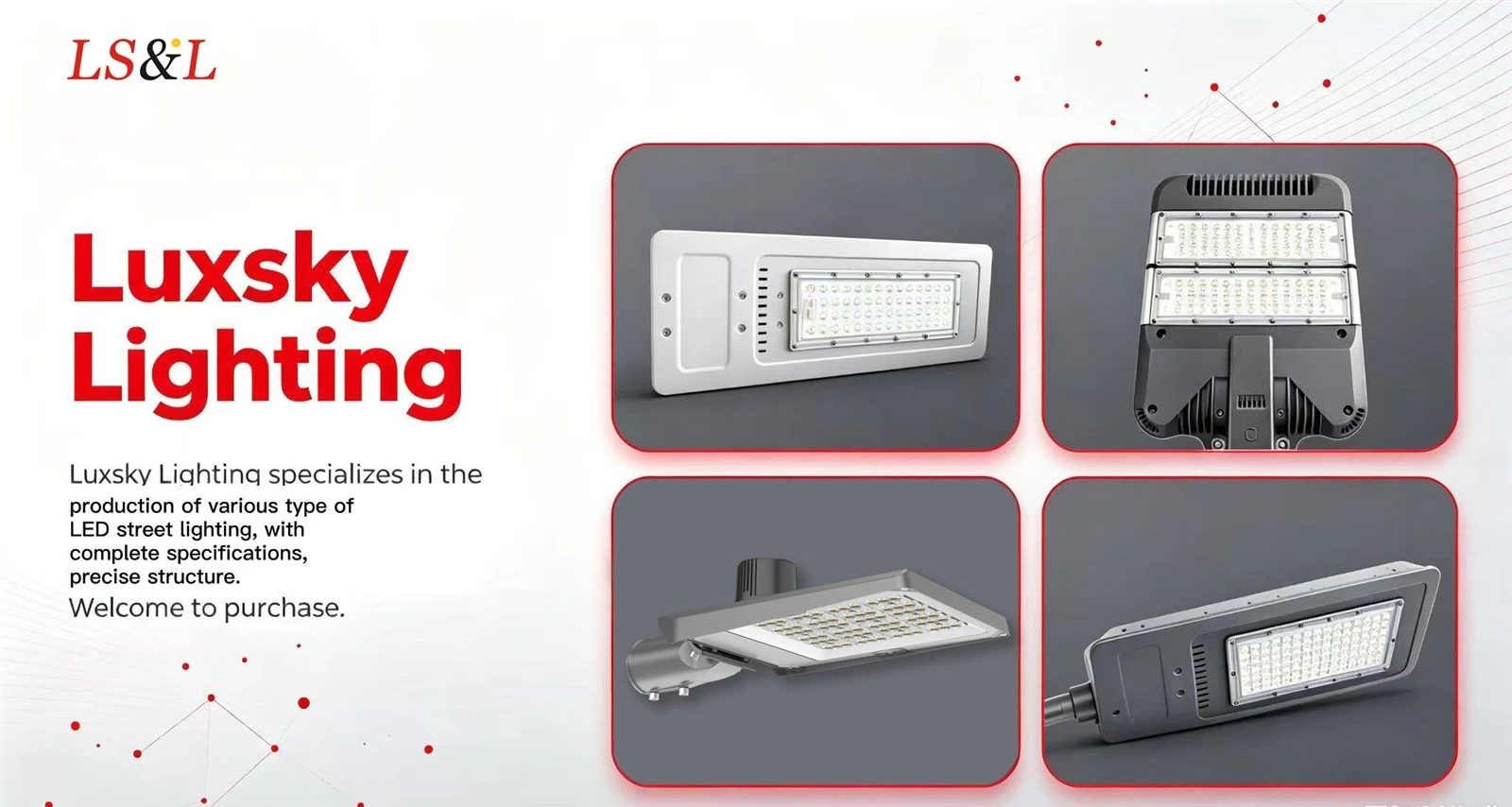
Controlling street light brightness according to the usage of different hospital areas centers on zonal planning and time-based dimming, while holding safe illuminance on critical paths. Selecting a reliable LED street light manufacturer and a capable LED lighting OEM manufacturer, especially an LED lighting supplier with 5 year warranty, makes brightness control more stable and longer-lasting. Luxsky Lighting specializes in LED street lights with stable quality and solid after-sales support. If you are optimizing zonal dimming for hospital outdoor street lights, feel free to contact us directly for tailored smart control solutions and LED street light quotations-reliable products that help you truly achieve lighting on demand.