

After more than a decade in lighting exports, I often hear the same complaint: the fixture looks fine outside, yet water droplets form inside. In most cases it is not a direct leak but condensation. Temperature swings and high humidity in industrial sites make this problem common. Here is what actually helps reduce it in LED tri-proof lights.
Why Condensation Forms
When the light runs, internal air warms and expands. When it cools, the air contracts and creates a pressure difference. If the seal is imperfect, humid outside air is drawn in. Once the temperature drops further, that moisture condenses on the lens or driver.
This "breathing" effect is frequent in workshops, warehouses, and areas with large day-night temperature changes.
Choose Reliable Sealing
Solid seals are the first defense. Continuous silicone gaskets, even end-cap pressure, and properly matched cable glands limit the paths for moisture. When a gasket loses elasticity too early, micro-gaps appear and condensation becomes more likely.
Look beyond the IP number and check whether the materials and design can handle repeated thermal cycling.
Pressure Equalization Matters
A completely sealed housing experiences stronger pressure swings. Many industrial fixtures now include a breather valve or ePTFE membrane. These allow slow air exchange to balance pressure while blocking liquid water and dust. Internal moisture can also escape more easily.
This approach is increasingly common in quality IP65 waterproof light designs and works well in humid or temperature-variable locations.
Installation and Daily Care
Keep sealing surfaces clean and undamaged during installation. Torque cable glands correctly so the gasket stays in place. Installing during lower-humidity periods reduces the chance of trapping moist air inside from the start.
In wash-down or chemically aggressive areas, periodically check end caps and joints and address any issues early.
Match the Fixture to the Site
Standard tri-proof models handle most dusty and humid workshops. Where temperature extremes or special safety needs exist, an Explosion-proof linear light with better pressure management can further lower the risk.
Condensation usually results from the combination of sealing quality, pressure changes, and site conditions. Understanding these factors makes product selection clearer.
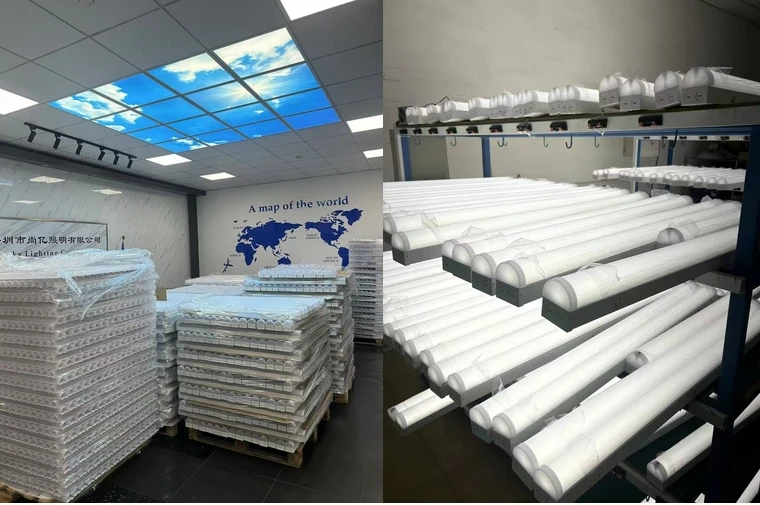
If you are dealing with fogging inside warehouse or workshop lights, or planning a replacement, share the temperature range, humidity level, and current fixture performance. I can help identify a suitable LED tri-proof light that stays clearer and more reliable in real industrial conditions.





