

With years of experience supplying lighting solutions for overseas food manufacturing plants, I've noticed glare is often overlooked. Harsh bright light and heavy reflections in workshops cause eye strain and sorting errors, and may even lead to penalties during overseas hygiene and safety inspections. Based on hands-on project experience across many food factories, I will share practical selection and renovation methods to effectively cut down workshop glare.
1. Pick anti-glare lights with soft diffusion to reduce harsh light at the source
Most ordinary industrial fixtures use exposed LED chips for direct light emission, creating strong glare and sharp reflections. At fine workstations for food inspection and plating, harsh glare disrupts visual judgment, making it hard to spot defects and colour differences in raw materials.
The weatherproof LED light fitted with a frosted anti-glare panel softens direct light and disperses concentrated beams. It delivers gentle, even illumination without harsh brightness, effectively eliminating direct glare for close-range manual work in food workshops, and greatly reducing eye fatigue and quality control mistakes.
2. Optimize light distribution angles to avoid reflected glare from surfaces
Food manufacturing facilities are full of stainless steel machinery and smooth worktops, materials prone to light reflection. Improper beam angles cause mirror-like reflections on equipment surfaces and create secondary glare, resulting in dazzling spots and uneven lighting.
The weatherproof LED batten light with custom asymmetric anti-glare optics features well-controlled beam angles. It minimizes reflections off stainless steel equipment and wet surfaces to prevent secondary glare. It delivers soft, balanced lighting suitable for all working conditions in food processing plants.
3. Switch to compliant industrial fixtures to avoid glare from low-grade light sources
Cheap non-standard fixtures on the market have inconsistent light sources with over-bright hotspots, which are the leading cause of workshop glare. They also suffer from colour shift, disrupting sightlines and failing overseas lighting compliance requirements for food facilities.
Genuine IP65 LED tri proof light uses neatly arranged chips and professional optical lenses for stable, consistent light output. It eliminates hotspots and stray light. While offering reliable dust and water resistance, it solves glare issues and works well in demanding food production environments with washdown, high temperatures and strict hygiene rules.
4. Standardize installation layout to avoid concentrated bright beams
Overcrowded fixtures mounted straight down create overlapping light and localized glare. Especially along production lines, concentrated bright light irritates workers' eyes over time and hurts productivity.
Maintain even spacing during installation and tilt fixtures properly to avoid shining directly onto work surfaces. A well-planned layout disperses luminous intensity and reduces light overlap, further improving the lighting environment and mitigating glare.
Reducing glare in food plants does not require complicated upgrades. The key lies in anti-glare light sources, optimized optics, compliant fixtures and standardized installation. Eliminating glare improves visibility and food quality control, and also meets lighting compliance requirements for overseas food facilities to support stable long-term production.
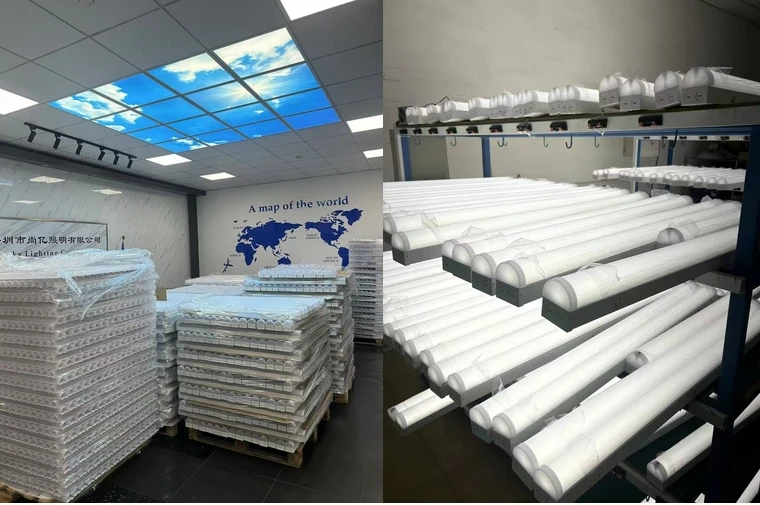
If you are troubled by glare in your workshop, worried about impacts on staff work and project acceptance, or unsure about fixture selection and renovation, feel free to get in touch. With rich experience in overseas food lighting foreign trade and engineering, I can customize low-glare, fully compliant lighting solutions tailored to your plant conditions.





