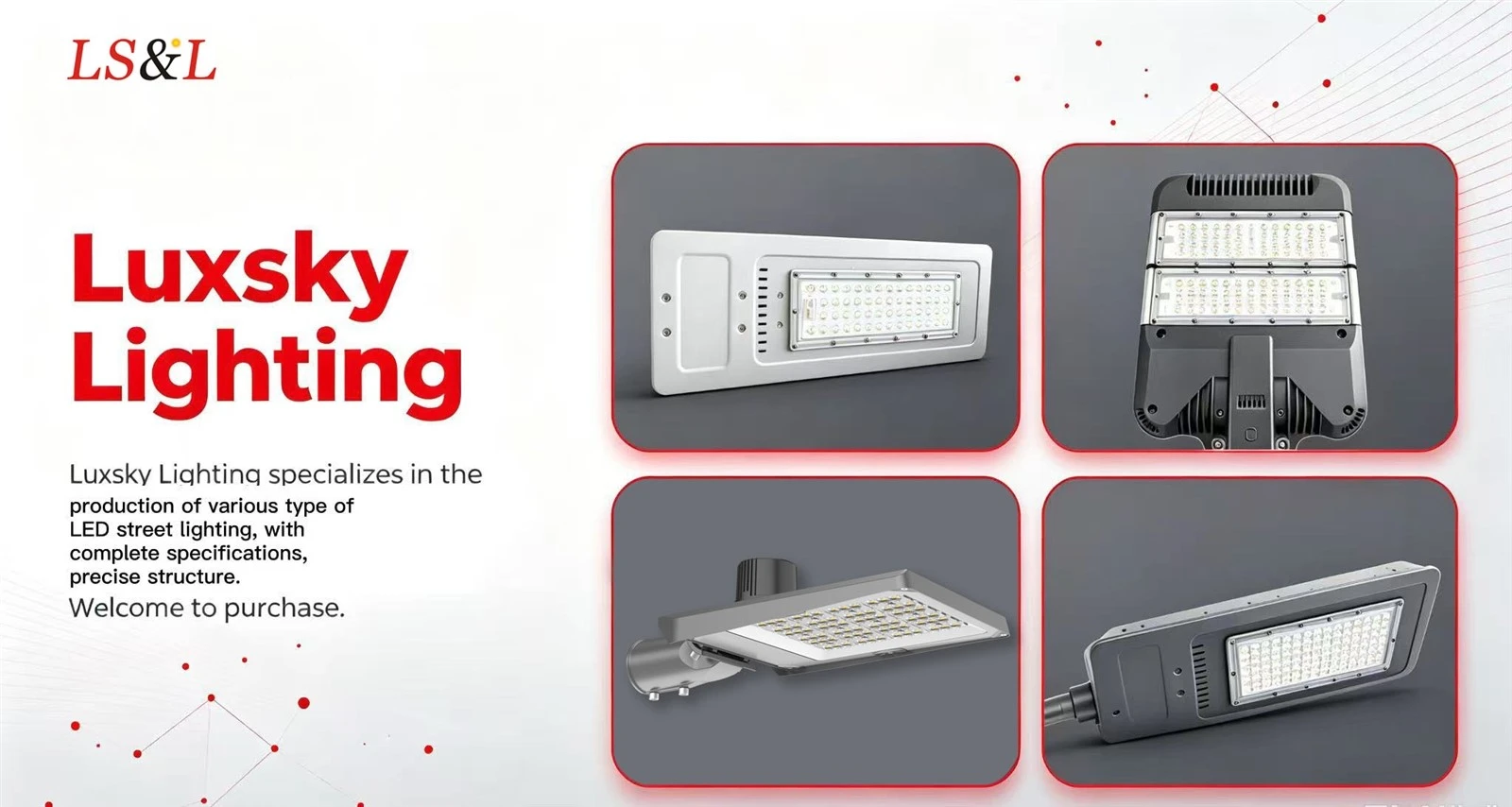
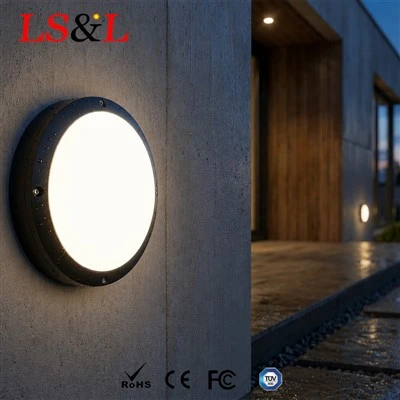
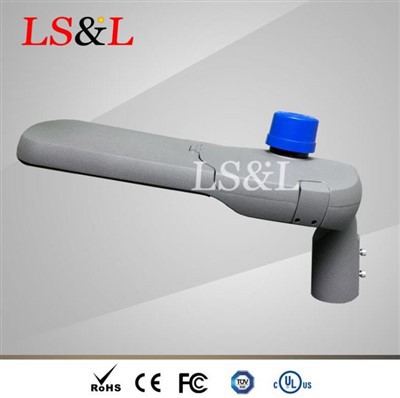
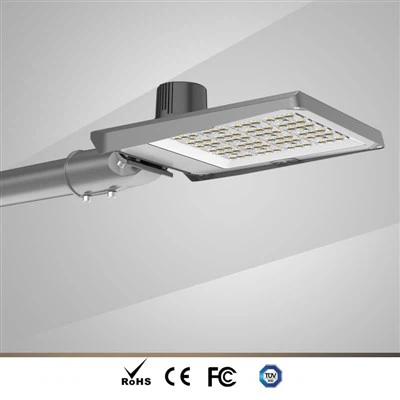
As an LED street light manufacturer with more than twelve years of export experience, I have supplied lighting to farms, logistics parks, hospitals and industrial zones in the Middle East, Southeast Asia, Africa and South America. Farm buyers often ask me: "The IP65 light is cheaper. Is it good enough?" It is a fair question. A farm is a harsh place, with dust, moisture, ammonia, washing and heavy rain, so the answer deserves some care. Here is how I explain it to my customers.
What IP65 and IP66 Actually Mean
The first digit, 6, means the fixture is fully dust-tight. The second digit shows water protection. IP65 resists low-pressure water jets from any direction, such as normal rain and hose cleaning. IP66 resists powerful water jets, so it handles driving rain, storms and high-pressure washing better. Both are fully dustproof, and the real difference is water resistance.
When IP65 Can Be Enough
In a sheltered area, IP65 can work well. Examples are lights under canopies, along building walls, on covered paths or in regions with low rainfall. If the budget is tight and the climate is mild, a well-made IP65 fixture is reasonable for these protected spots. Note the words "well-made": a poorly sealed IP65 light fails faster than a good one.
When IP66 Is the Safer Choice
Most farm outdoor areas are open. Entrance roads, machinery yards, loading areas and poles near barns face wind-driven rain, dust storms, humidity and, in livestock areas, ammonia and frequent washing. For LED street lights for farms in these zones, I always recommend IP66. Water ingress is costly to fix on a farm that is far from town, and replacing a fixture on a 6 to 8 meter pole means hiring equipment and stopping work. Many of my customers made IP66 their minimum standard after one rainy season.
Do Not Look at the IP Rating Alone
A label is not a guarantee. Water ingress usually comes from poor gaskets, weak cable glands, cheap driver compartments or missing breather valves. Also check IK impact rating (IK08 or higher), surge protection of 6kV to 10kV, because open fields attract lightning, and an anti-corrosion coating for ammonia and fertilizer. Ask for a third-party test report, not only a claim on the datasheet. Quality LEDs already save about 50% to 70% electricity compared with old sodium or metal halide lamps, but they only keep saving if they last. A tractor driver can also be dazzled, even for two seconds, so check glare with a DIALux simulation using real IES files. Solar versions can suit remote areas.
Choose a Supplier Who Stands Behind the Rating
A real warranty shares the risk with you. I suggest an LED lighting supplier with 5 year warranty and a real factory behind it. As an LED lighting OEM manufacturer, we also customize wattage, beam angle, color temperature and branding for project buyers and distributors. Our quality standard includes:
- Branded LED chips and drivers, 100% aging test before packing
- Die-cast aluminum housing, IP66 / IK08, 6kV to 10kV surge protection, CE and RoHS certified, with real IES files and test reports for DIALux design
When a customer asks me for a 5-year warranty, I can say yes with confidence, because we test before shipment, not after complaints.
Conclusion
IP65 can serve sheltered farm areas, but for open roads, yards, livestock areas and high poles, IP66 is the safer and more economical choice over the long run. Our LED street lights are built with strict quality control, so they stay bright, stable and dependable for years.
If you are planning a new farm project or upgrading an old one, choose Luxsky Lighting. Contact us today for a free DIALux layout and a competitive quote.