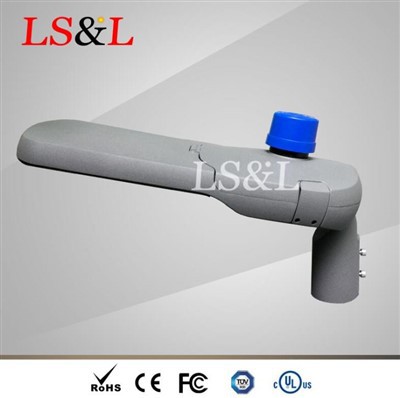
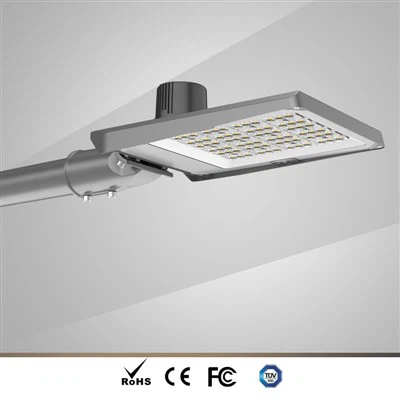
LED (Light Emitting Diode), as an efficient, energy-saving, and environmentally friendly light source, has been widely used in various fields, from home lighting to commercial and industrial lighting. As an important component of LED lighting systems, LED drivers play a role in converting power supply voltage and current, ensuring stable brightness and long lifespan of LEDs. However, some people mistakenly believe that LED drivers are just a simple transformer. In fact, LED drivers are far more than that, they bear more functions and responsibilities.
Firstly, let's understand the difference between LED drivers and traditional transformers. Traditional transformers are mainly used to adjust the voltage of AC power, such as converting high-voltage AC power into low-voltage AC power to supply household appliances and other equipment. LED drivers, on the other hand, are a more complex power supply device that can not only convert AC power into the DC power required by LEDs, but also achieve precise control of voltage and current to meet the working requirements of LEDs.
Secondly, LED drivers play a crucial role in LED lighting systems. Firstly, the LED driver can ensure the stable working voltage and current of the LED, thereby ensuring the brightness and color consistency of the LED. LED is a voltage and current sensitive device, and high or low voltage and current can affect the lifespan and performance of LED. Therefore, LED drivers ensure that the LED operates within a safe range and extends its lifespan through precise voltage and current control. Secondly, LED drivers can also achieve dimming and color adjustment functions, adjusting the brightness and color temperature of LEDs according to user needs, providing a more comfortable and personalized lighting experience. In addition, the LED driver also has functions such as overload protection, short circuit protection, and temperature protection, ensuring the safe and stable operation of the LED lighting system.
In addition to functional differences, LED drivers are also technically different from traditional transformers. Traditional transformers usually use linear regulation, which has lower efficiency, while LED drivers use switch regulation, which has higher efficiency and can reach over 90%. In addition, LED drivers also have technologies such as power factor correction and harmonic suppression, which improve the overall performance and energy efficiency of the system.
It is worth mentioning that with the continuous development of LED technology and the continuous expansion of application scenarios, the demand for LED drivers is also increasing. In the future, with the popularization of technologies such as intelligent lighting and wireless control, LED drivers will become more intelligent and integrated, meeting the needs of users for lighting quality and energy conservation and environmental protection.
LED driver is not just a simple transformer, it is the core component of LED lighting system, with characteristics such as precise control, stable operation, and high efficiency. Only by fully recognizing and understanding the importance and function of LED drivers can we better apply LED technology and achieve a green, intelligent, and comfortable lighting environment.