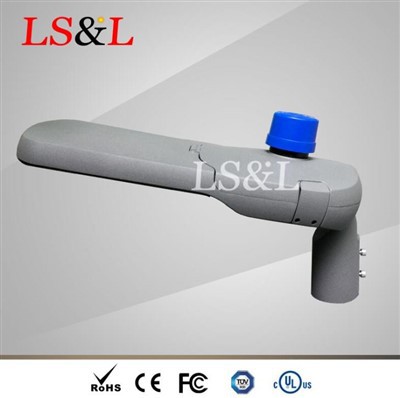
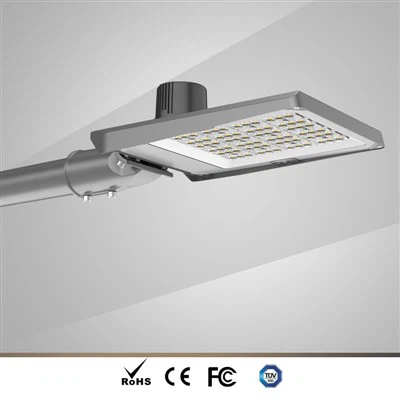
1. The technological features of LED street lights and how well they work with solar energy systems
LED street lights is because they are very bright, use little power, and last a long time. They need less power to give off the same amount of light than high-pressure sodium lamps or metal halide lamps. This directly influences the size of photovoltaic panels and batteries.
LED lights can work with a wide range of voltages and can be powered directly by DC electricity. This is a good match for the DC electricity that solar panels provide, which cuts down on the inverter link and energy loss. This means that LED street lights may still stay bright even when they don't have a lot of energy storage, which makes the whole system more reliable.
2. How the solar power supply system affects the illumination
Photovoltaic modules, batteries, controllers, and LED bulbs make up most of the solar power supply system. Photovoltaic modules capture solar energy throughout the day and store it in batteries. At night they power LED street lights to light the way. The best thing about this way of getting power is that it doesn't need an outside power source. This makes it great for distant places, rural roads, picturesque spots, and temporary construction roads.
To make charging throughout the day more efficient, make the area of the photovoltaic panels bigger.To keep the lights on at night, choose batteries with a higher capacity.Using a smart controller to set up zones or reduce lights when the battery is lowLED street lights can still work well and provide basic safety lighting needs even in places where the lighting is not very good thanks to these techniques.
3. An examination of the relevant situations and environmental factors
Not all roads can use LED street lighting and solar energy systems together. Based on what engineers know, the best situations to use this are:
Roads in isolated areas: the electrical grid doesn't cover them or getting to them is too expensive.
Scenic locations and park paths need considerable nighttime lighting and are hard to wire for construction.
Rural roads and community paths: pedestrian and vehicle traffic flow that is easy to estimateTemporary roads or building sites: easy to set up and quick to use
In these situations, LED street lights may make the most of their benefits because they use very little electricity, last a long time, and are easy to keep up with. Using only solar energy for nighttime illumination on important highways or in the urban core may demand larger energy storage systems or hybrid power supply modes to ensure that the lights stay on all night.
4. Cost analysis and economic assessment
The first cost of a system that uses solar energy and LED street lights is usually more than that of standard street lights that run on electricity. The main reason for this is the cost of buying solar panels, batteries, and control systems. In contrast, with typical grid power, all you need to do is buy light fixtures and plug them into the mains.
LED street lights use very little energy, which means that over time, the cost of electricity is nearly nil. They also lower the hidden costs of maintaining lines, transformers, and cables. After 5 to 8 years of use, the total cost of solar LED street lighting systems is usually the same as that of traditional systems. In some distant or difficult-to-build places, it is even lower.
LED light sources last a long time, usually more than 50,000 hours, so they don't need to be replaced as often. It can lower the cost of manual inspection even further when used with smart control systems
5. Taking care of and managing the life of your device
The main focus of the maintenance of LED street lights and solar energy systems is on energy storage devices. The number of times a battery is charged and discharged and the temperature of the environment will cause its capacity to drop over time. when designing the project
The lamp itself doesn't break down very often and doesn't need a lot of maintenance in everyday use. By using both remote monitoring and smart control, you may find problems before they happen. This lets you send warnings from a distance and manage zones, which means you don't have to check things as often and the system will work reliably for a long time.
6. Trends in Future Development
As the efficiency of photovoltaic modules, energy storage technology, and intelligent control algorithms increase, the combination of LED street lights and solar energy will become more reliable and cost-effectiveThe creation of green buildings, low-carbon cities, and infrastructure in remote places will benefit the most from this mix of ideas. A well-planned LED street light system can cut down on energy use and pollution, as well as lower long-term expenses for running and maintaining the lights and make public lighting safer.