In this line of work, I often see technical spec sheets that explicitly state "Class II insulation required," but once you dig into the conversation, many clients don't actually know the real difference between Class I and Class II - they're just copying an old tender template. Let me walk you through this concept clearly, based on years in the trade, so you can avoid mistakes during product selection.
The Core Difference Between Class I and Class II
Insulation class is one of the most fundamental and important concepts in electrical safety. Simply put:
- Class I (Basic Insulation + Grounding): The product relies on basic insulation plus protective earthing to prevent electric shock - meaning the metal housing must be reliably grounded. If insulation failure occurs, current is directed to earth through the ground wire instead of flowing through a person. This type of product places very high demands on the reliability of the grounding system.
- Class II (Double or Reinforced Insulation): The product uses double insulation or reinforced insulation construction, achieving shock-protection safety without relying on grounding. These products typically carry a "double square" insulation symbol on the housing. Even if the grounding system has issues, Class II products remain safe to use - making them a more reliable choice for projects where grounding conditions are unclear or the grounding system has degraded over time.
For roadway LED lighting projects, whether to choose Class I or Class II largely depends on how well-developed the local grid's grounding system is. This is exactly the kind of key information we always confirm proactively with clients during technical discussions.
Why This Question Shouldn't Be Taken Lightly
I've seen plenty of cases where clients, for the sake of convenience, simply copy technical specs from a previous project - only to discover on-site that the local grid's grounding conditions don't actually meet the safety requirements for Class I products. This forces a costly rework and fixture replacement later, delaying the schedule and driving up costs. This is exactly why a professional LED engineering lighting supplier will always proactively confirm the target market's grid conditions and grounding system status with the client before quoting, rather than simply manufacturing to whatever parameters the client provides.
Insulation Class Reflects the Fine Detail of Strict Quality Control
Whether a product is Class I or Class II, its insulation class must be verified through rigorous dielectric withstand testing, insulation resistance testing, and - for Class I products - ground continuity testing. During production, we establish dedicated inspection standards for each insulation class, from testing the insulation performance of raw materials to 100% dielectric withstand testing before finished products leave the factory. Every step falls under our Strict quality control system, ensuring every fixture that ships actually meets its stated insulation class - not just on paper.
Adapting Insulation Class for Smart Features
More and more projects now incorporate Smart outdoor light systems, involving added communication modules and sensors - precision electronics that demand even stricter insulation protection. When designing smart street light solutions, whether using a Class I or Class II structure, we conduct a dedicated insulation assessment for any newly added electronic modules, ensuring the overall fixture's safety isn't compromised by smart upgrades.
Recommendations for Buyers
- Confirm the actual grounding system conditions of your project's location in advance;
- Based on grounding conditions, clearly specify whether Class I or Class II insulation is required;
- Request dielectric withstand test reports and insulation resistance data from your supplier;
- For projects involving smart-feature upgrades, confirm whether the added modules affect the original insulation class.
Conclusion
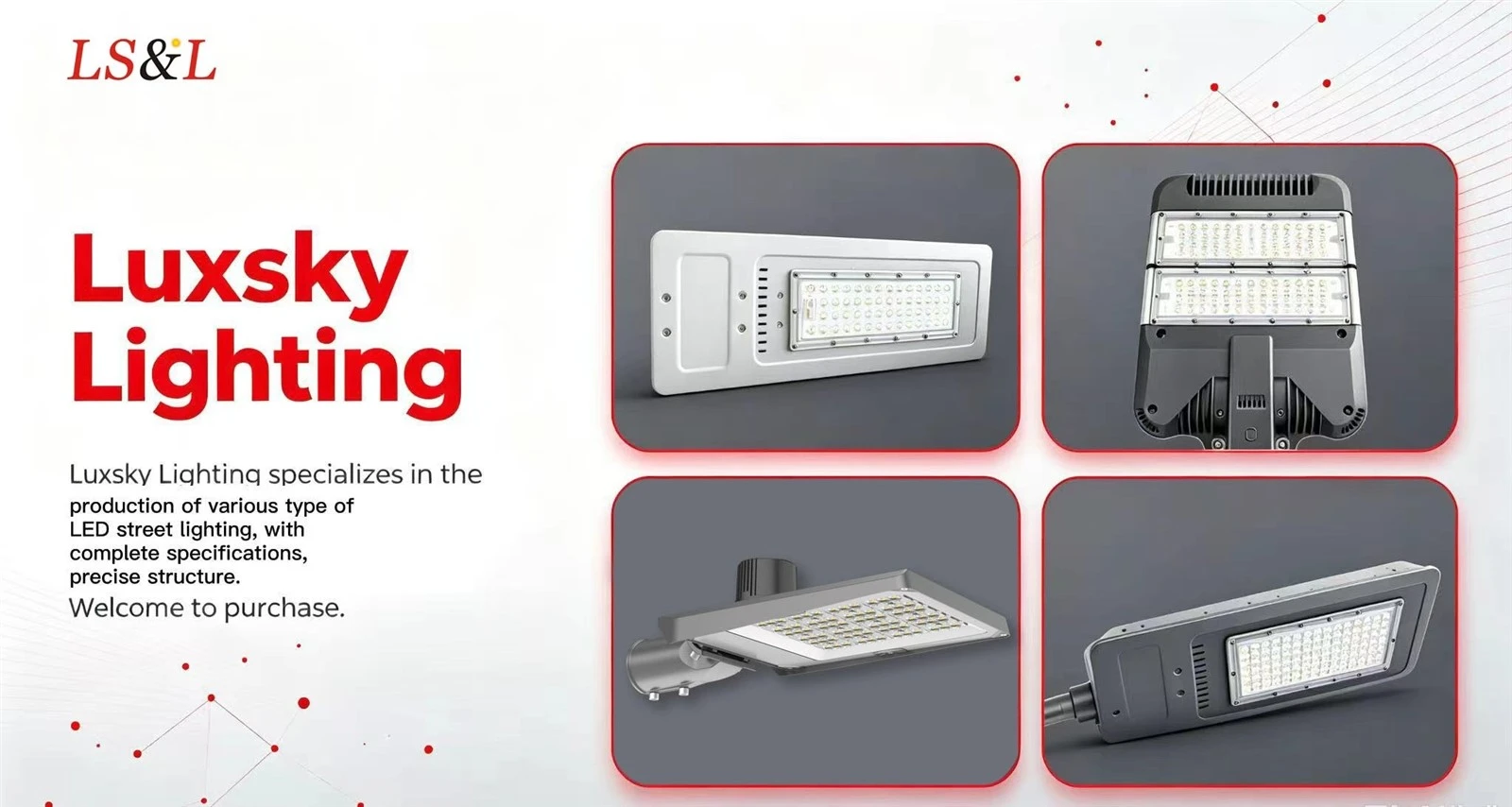
Insulation class may seem like a technical detail, but it directly affects the safety and long-term stability of street lighting. Our Luxsky Lighting LED street light product line offers both Class I and Class II insulation structures, backed by a rigorous quality control process, ensuring every product holds up to real-world verification.
If you're still unsure which insulation class fits your project, feel free to contact Luxsky Lighting - we can provide professional selection recommendations based on your local grid conditions.