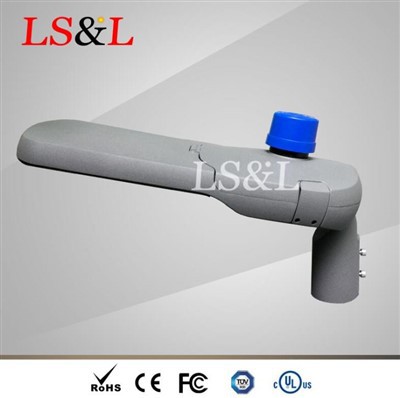
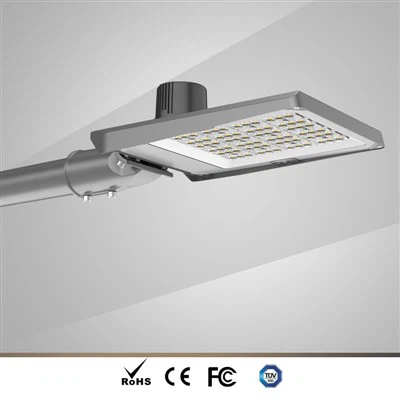
With the continuous progress of technology, our daily lives are also constantly changing. Traditional high-pressure sodium lamps (HPS) have long been the mainstream choice for lighting needs in residential environments and workplaces. However, in recent years, LED (Light Emitting Diode) technology has made significant breakthroughs and is hailed as the representative of the next generation of lighting technology. When considering whether to switch from HPS to LED, we need to comprehensively consider various factors, including energy efficiency, environmental protection, economic benefits, etc. This article will explore the differences between HPS and LED, and explain why switching from HPS to LED is a wise choice.
Energy efficiency comparison:
Firstly, energy efficiency is an important indicator for comparing HPS and LED. High pressure sodium lamps have low energy conversion efficiency, and most of the energy they generate is converted into heat rather than light energy. In contrast, LED is a semiconductor light-emitting device with very high energy efficiency. They can convert more energy into light energy, while less energy is wasted on heat. Therefore, switching from HPS to LED can significantly reduce power consumption and save energy costs.
Life and Maintenance:
The lifespan of HPS lamps is relatively short, with a lifespan of approximately 1.5 to 2.5 years under normal usage. Compared to this, LED has a lifespan of over 20000 hours, and some products can even reach 50000 hours. Although the purchase cost of LEDs is relatively high, their lifespan far exceeds that of HPS. Therefore, in the long run, switching to LEDs can significantly reduce maintenance costs.
Light quality and color representation:
The light quality of HPS lamps is usually not ideal and tends to emit yellow light. LED can adjust color temperature and color performance as needed, providing a lighting effect closer to natural light. This is very important for improving visual comfort and work efficiency, especially in places that require high color reproduction, such as libraries, offices, and factories.
Environmental impact:
Energy efficiency and environmental protection are closely related. The high energy consumption of HPS lamps leads to more greenhouse gas emissions, which have a negative impact on the environment. On the other hand, LED's low energy consumption helps reduce the Carbon footprint and is more environmentally friendly. In addition, harmful substances such as mercury used in HPS lamps, once improperly disposed of, may cause pollution to soil and water sources. LED does not contain harmful substances, making it easier to recycle and dispose of.
Lighting control and intelligence:
The advantages of LED technology also lie in its adjustability and intelligence. The brightness adjustment of traditional HPS lamps is relatively limited, while LEDs can achieve stepless dimming and adjust the brightness according to actual needs. In addition, LED is compatible with modern intelligent control systems and can achieve intelligent lighting control through sensors, remote controls, or mobile apps, further improving lighting efficiency and achieving more intelligent electricity management.
Economic benefits:
Although switching to LED may require some investment, it will bring significant economic benefits in long-term operation. By reducing energy consumption and maintenance costs, you can recover your initial investment within several years and continue to benefit from lower energy expenses. In addition, some countries and regions also offer incentives or preferential policies for improving energy efficiency, further encouraging businesses and individuals to turn to LED lighting.
Health and Comfort:
LED technology also has some health benefits. Unlike traditional light sources, LEDs do not produce flicker, reducing eye irritation and reducing the risk of visual fatigue and headaches. In addition, LED lighting can also achieve no ultraviolet and infrared radiation, protecting skin and eye health.
In summary, switching from HPS to LED is a worthwhile option to consider. The energy efficiency advantages, environmental protection characteristics, long lifespan, and high-quality lighting effects of LED lighting technology make it the mainstream trend of future lighting development. Although it may require some investment, in the long run, you will enjoy lower energy expenses, lower maintenance costs, and a healthy and comfortable lighting experience. As a positive response to environmental protection and sustainable development, switching to LED is not only in line with the trend of contemporary lighting technology, but also a positive investment in future quality of life. Let's embark on a journey of upgrading energy efficiency and environmental protection, and work together to create a better tomorrow.