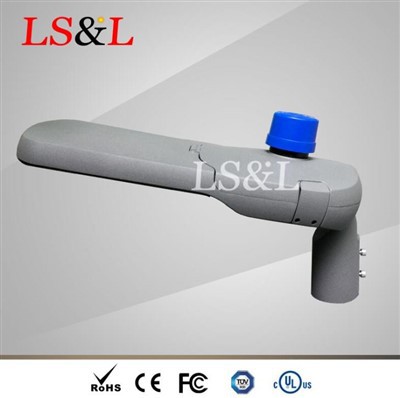
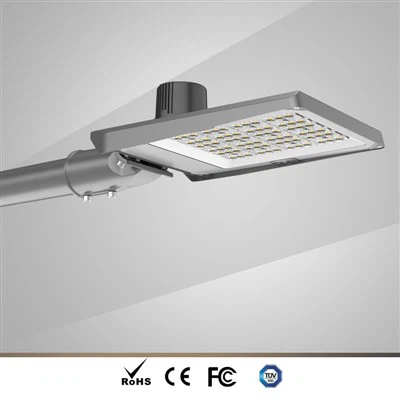
With the rapid progress of technology, LED (Light Emitting Diode) technology has penetrated into various aspects of our lives, from household appliances to urban lighting, and even to display technology, LED plays an important role. Among the many types of LED, high-power LED and ordinary LED are particularly eye-catching. So, what is the difference between these two?
1, Power and brightness
Firstly, in terms of power and brightness, there are significant differences between high-power LEDs and ordinary LEDs. The power of ordinary LEDs is usually between 0.06 watts and 0.2 watts, with relatively low brightness. It is suitable for some situations that do not require high light intensity, such as indicator lights, backlight, etc. The power of high-power LEDs is usually between 1 watt and several watts, and some products even have a power of tens of watts, which is much brighter than ordinary LEDs. Therefore, they are more suitable for situations that require high brightness lighting, such as outdoor billboards, street lights, stage lights, etc.
2, Heat dissipation performance
Due to the high power of high-power LEDs, they generate more heat during operation. Therefore, high-power LEDs require better heat dissipation performance to ensure stable operation. Generally speaking, high-power LEDs adopt professional heat dissipation designs, such as heat sinks, fans, etc., to ensure that heat can be dissipated in a timely manner and prevent damage due to overheating. However, ordinary LEDs generate relatively less heat due to their lower power, so their heat dissipation requirements are relatively low.
3, Application field
Due to differences in power and brightness, the application areas of high-power LEDs and ordinary LEDs are also different. Ordinary LEDs are widely used in electronic devices, indicators, backlights, and other fields due to their low power consumption, small size, and long lifespan. High power LEDs, on the other hand, are widely used in outdoor lighting, sports venues, urban landscapes, and other fields due to their high brightness and powerful lighting capabilities. In addition, with the continuous advancement of technology, the application of high-power LEDs in display technology, automotive lighting and other fields is becoming increasingly widespread.
4, Cost and Price
In terms of cost and price, ordinary LEDs usually have lower production costs and market prices, making them more favored by consumers. However, high-power LEDs require more advanced production processes and materials, as well as more complex heat dissipation designs, resulting in relatively high production costs and market prices. However, with the advancement of technology and the expansion of the market, the price of high-power LEDs is gradually decreasing, making their application in some high-end lighting and display fields increasingly popular.
With the continuous progress of technology and the expansion of application fields, high-power LED and ordinary LED are constantly developing and improving. In the future, ordinary LEDs may further improve their brightness and efficiency, reduce costs and prices, to meet the needs of more fields. And high-power LEDs may develop towards higher brightness, higher efficiency, and more intelligence to meet more high-end lighting and display needs.
In summary, there are significant differences between high-power LEDs and ordinary LEDs in terms of power and brightness, heat dissipation performance, application areas, cost and price. When selecting LED products, the appropriate type should be selected based on actual needs and usage scenarios. Meanwhile, with the continuous progress of technology and the expansion of application fields, we have reason to believe that LED technology will play a more important role in the future, bringing more convenience and beauty to our lives.