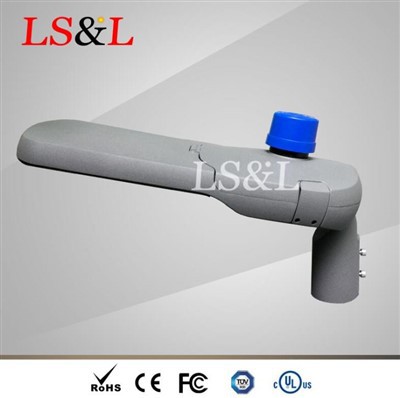
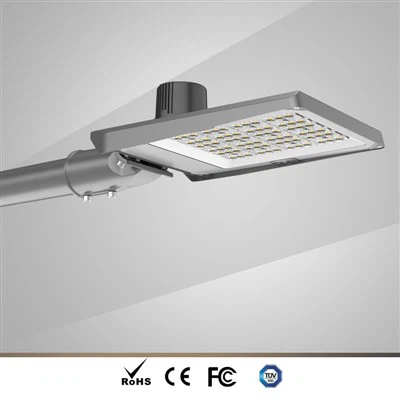
LED street lights have become increasingly popular in recent years due to their energy efficiency and longevity. However, like any technology, they are not without their disadvantages. Below are some of the drawbacks of LED street lights:
Cost: LED street lights can have a higher upfront cost compared to traditional lighting technologies such as high-pressure sodium (HPS) or metal halide lamps. Although the prices have been decreasing over time, the initial investment can still be a significant barrier for some municipalities or organizations.
Glare and Light Pollution: LED street lights can produce a type of glare known as "disability glare," which can be uncomfortable for drivers and pedestrians alike. Additionally, some poorly designed or misdirected LED fixtures can contribute to light pollution by shining light where it is not needed, affecting wildlife, stargazing, and nearby residents' quality of life.
Color Temperature and Quality: The color temperature of LED street lights can vary, and some installations may emit light with a bluish or cool hue. This can impact visibility and make it challenging for drivers to distinguish objects and pedestrians at night. Furthermore, poor-quality LEDs can have issues with color rendering, leading to distorted colors and reduced visual acuity.
Temperature Sensitivity: LED performance can be affected by temperature variations. In extremely hot environments, the efficiency and lifespan of LED street lights may decrease, leading to premature failures if not adequately managed.
Potential Flickering: Some low-quality LED street lights may exhibit flickering, which can be annoying and uncomfortable for people. Additionally, flickering may lead to visual fatigue and other health-related issues for some individuals.
Cultural Heritage and Aesthetics: In historic or culturally significant areas, LED street lights might not be the best fit due to their modern appearance. Traditional lighting options, like gas lamps or vintage-style fixtures, may be preferred to maintain the area's historical charm and ambiance.
Toxic Materials: While LED technology itself is not toxic, some LED street lights may contain hazardous substances, such as lead, arsenic, or mercury, in the solder or other components. Proper recycling and disposal of old LED fixtures are essential to avoid environmental contamination.
Dimming Challenges: Implementing dimming systems for LED street lights can be more complex than for traditional lighting. Compatibility issues between different components and control systems may arise, making it harder to achieve efficient dimming capabilities.
Interference with Electronics: Poorly designed LED street lights can produce electromagnetic interference, potentially causing problems with nearby electronic devices, such as radios, TVs, and communication systems.
Rapid Technological Advancements: The field of LED technology is constantly evolving, and as a result, today's state-of-the-art LED street lights might become outdated relatively quickly. This can create challenges for municipalities looking to upgrade their lighting infrastructure in the future.
Lack of Standards and Regulation: In some regions, there might be a lack of standardized regulations for LED street lights, leading to variations in quality, performance, and safety. This can make it challenging for consumers to make informed decisions and can hinder the adoption of more efficient technologies.
Despite these disadvantages, it's worth noting that LED street lights still offer numerous benefits, including energy savings, reduced greenhouse gas emissions, and longer lifespans compared to traditional lighting options. As LED technology continues to advance and researchers address these challenges, we can expect to see further improvements and a wider adoption of LED street lighting solutions.