Many customers tell us that fixtures with seemingly correct specifications fail prematurely in factory settings. Workshops are full of dust, vibration and voltage fluctuations, all of which shorten service life. Based on years of overseas project experience, let's look at the main reasons why led bulkhead light breaks down early on site.
1. Poor heat dissipation accelerates component aging
Factory workshops contain many heat sources from motors and production lines. If the fixture has a weak heat dissipation structure, heat builds up inside the housing and speeds up degradation of the driver and LED chips. Dust buildup on heat sinks further blocks heat transfer. Even basic models require proper thermal management, and this issue becomes far more serious in high-temperature environments.
2. Failed seals allow moisture and dust ingress
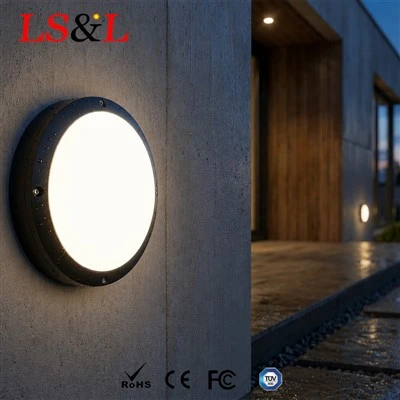
Many buyers pick the wrong ingress rating and use standard fixtures in damp or dusty zones. Aging gaskets or uneven screw pressure during installation break the protective seal. Once water or dust gets inside, the circuit board corrodes and short circuits. For wet workshops and washdown areas, IP66 bulkhead light offers better resistance against moisture.
3. Unstable power grids and voltage surges damage drivers
Large industrial equipment creates voltage spikes when switching on and off. The LED driver is the most vulnerable part of the fixture. Without surge protection, repeated voltage shocks cause flickering, intermittent lighting and eventual failure. In most cases, the driver fails before the LED chips, which is the most common fault we see on site.
4. Continuous mechanical vibration loosens wiring connections
Stamping and conveyor equipment generate constant vibration, which gradually loosens terminals and solder joints. You may first notice intermittent connection issues, followed by total circuit breakage over time. For such conditions, choose reinforced, potting-treated models to reduce vibration-related failures.
5. Improper selection and installation create hidden risks
Some purchasers focus only on price without matching fixtures to site conditions. Uneven mounting bases or loose cable glands compromise ingress protection. Other customers install oval bulkhead light too close to heat sources, which speeds up light decay. Without regular cleaning and inspection, minor issues eventually turn into complete breakdowns.

Durability for industrial lighting is not just about lab test data. It depends on matching the fixture to real working conditions. Correct ingress ratings, surge protection and proper installation can greatly cut after-sales costs. If you are sourcing lighting for your factory and unsure which model suits your site, share your working conditions with us, and we will recommend a suitable solution.