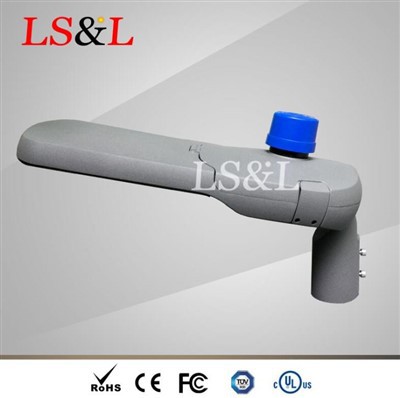
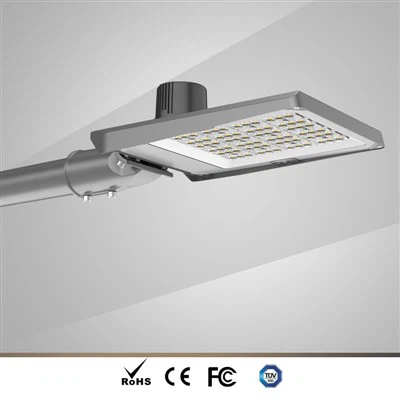
I've been in foreign trade for years, and one question clients ask me all the time is: when choosing an LED street light supplier, which certifications actually matter? Honestly, it's a great question to ask, because certifications are the kind of thing nobody thinks about until something goes wrong - and then they're exactly what determines whether your shipment clears customs or passes the client's inspection. Let's walk through the certifications that come up most often.
Let's start with the most basic one: CE certification. This is a mandatory requirement for the EU market - without it, an LED street light basically can't enter Europe. But here's the catch: quite a few small manufacturers have CE certificates that were bought or borrowed, and if something actually goes wrong, those certificates won't hold up. When vetting a supplier, always ask for the certificate number and verify the issuing body yourself online.
Second is RoHS certification. In simple terms, it restricts hazardous substances, and it matters not just in the EU but increasingly in parts of the Middle East and Southeast Asia too. A product that doesn't meet RoHS standards is a long-term liability no matter how cheap it is - government and large-scale infrastructure projects in particular almost always require test reports for this.
Third, CB certification. A lot of clients aren't familiar with this one, but if you're selling street lights into multiple countries, a CB certificate can save you significant time and cost on repeat certification. It's a genuinely useful part of the international mutual-recognition system.
Fourth, LM80 and TM21 reports. These two tests are specific to LED light sources and directly relate to whether the fixture will still hold its brightness after several years of use. A legitimate LED street light manufacturer should be able to produce both reports - if they can't, that's worth being cautious about. Fixtures with fast light decay often need replacing in under two years.
Fifth, salt-spray and vibration test reports. This one gets overlooked a lot, but it's especially important for coastal regions or industrial park projects. Salt-spray testing measures corrosion resistance, and vibration testing measures structural stability - both are particularly relevant for projects near factories or ports, and these reports can save you a lot of maintenance headaches down the road.
One more thing worth saying: certification isn't just about whether a document exists - it also has to match the exact model you're purchasing. Some suppliers hand over certificates for a different model to fill the gap; if the model doesn't match, the certificate is essentially worthless. Before purchasing, have the supplier match certificates to product models line by line, and attach that documentation to the contract so there's no dispute later.
There's also something easy to miss: certifications have expiration dates. CE and RoHS certificates typically need renewal every few years, and some suppliers are still holding onto certificates from years ago for products that have long since been updated - meaning the certificate no longer matches the actual product. Make it a habit to check the validity date before signing anything. It's a small extra step, but it can save you a lot of trouble later.
Certification requirements also vary by market. Exporting to North America, for example, may require UL or DLC certification; exporting to parts of the Middle East, SASO certification is often unavoidable. So before choosing an LED street light supplier, it's best to nail down your target market first, then work backward to figure out exactly which certifications you need - rather than finding out the paperwork is missing after the goods are already ready to ship, which only delays delivery.
In foreign trade, certification isn't a box-ticking exercise - it's real protection. When choosing an LED street light supplier, don't just compare prices. Get the certification piece sorted first, and the rest of the partnership will go a lot more smoothly. If you're working with an LED street light supplier right now and aren't sure whether the certification documents you have are complete or genuinely valid, feel free to reach out anytime. I can help you verify everything line by line, so you avoid the common pitfalls and end up working with a supplier you can actually trust.