

Are wall mounted lights and surface mounted lights the same thing? These terms are often confused, and using them incorrectly can lead to choosing the wrong fixture for a project.
In practice, surface mounted describes an installation method, while wall mounted describes the installation location. A surface mounted light is fixed directly onto a flat surface rather than recessed into it. Wall mounted lights belong to this category, but they are only one part of it. Many surface mounted lights are designed for ceilings rather than walls. Simply put, all wall mounted lights are surface mounted, but not all surface mounted lights are wall mounted.
This distinction often comes up in real discussions. When a client asks for a surface light, the first question is whether it is intended for the wall or the ceiling. That single detail changes the recommendation entirely. Although the installation approach is similar, the purpose and lighting effect are very different. Wall lights are commonly used to create atmosphere or highlight architectural features, while ceiling surface mounted lights are typically selected for general or task lighting. Thinking of the terms in a simple hierarchy helps make the difference easier to understand.
Understanding the Relationship Between the Terms
At the broadest level, all products fall under lighting fixtures. These fixtures are then grouped by how they are installed. Some are attached directly to a surface, others are recessed into it, and some are suspended from it.
Within the surface mounted category, fixtures are further distinguished by where they are installed. Ceiling-mounted versions are designed for horizontal overhead surfaces and mainly illuminate the area below. Wall mounted fixtures, often referred to as sconces, are designed for vertical surfaces and are viewed at eye level. Their designs place more emphasis on visual comfort and atmosphere, often directing light upward, downward, or outward.
Design and Functional Differences
Different locations and purposes naturally lead to different design priorities.
| Feature | Wall Mounted Light | Ceiling Surface Mounted Light |
|---|---|---|
| Primary Function | Ambient, accent, or decorative lighting, often indirect | General or task lighting, usually more direct |
| Light Direction | Upward, downward, or multiple directions to enhance walls and mood | Mainly downward to illuminate floors and work areas |
| Design Focus | Strong visual impact due to eye-level placement, with emphasis on form and finish | Performance-focused design with priority on light output and efficiency |
| Typical Example | A decorative light beside a bathroom mirror or along a corridor wall | A surface downlight in a kitchen or a panel light in an office |
When specifying lighting, it helps to be precise about both location and purpose. If the light is intended for a wall, describing it as a wall mounted light or sconce avoids confusion. If it is meant to be installed directly onto a solid ceiling, ceiling surface mounted light is the clearer choice. Using the right terms makes product selection more accurate and communication much smoother.
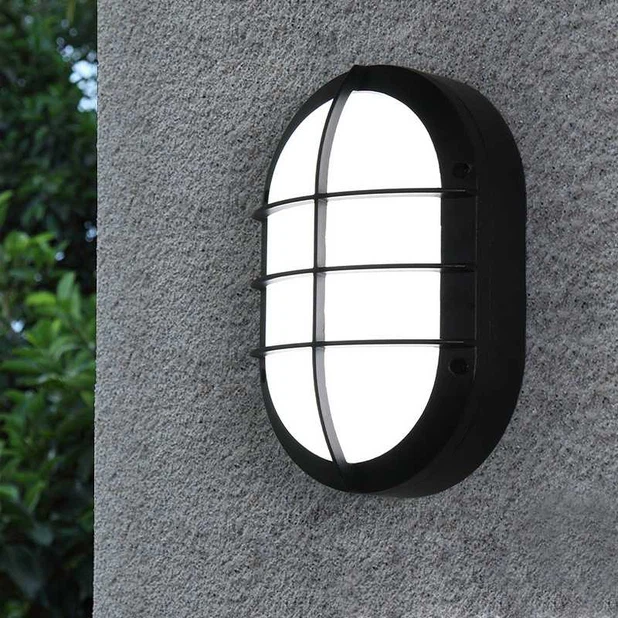

Luxsky Lighting offers high quality ceiling lights and wall lights. If you are interested, please click https://www.luxsky-light.com/led-ceiling-lights/retro-industrial-style-waterproof-wall-lamp.html for more details.





