

With years in overseas industrial low-temperature lighting foreign trade, I have handled countless fixture selection cases for cold storage and low-temperature processing workshops. Ordinary LED lights suffer from startup anomalies and premature failure in cold conditions, since not all industrial lights are built for low-temperature working environments. Drawing on real project delivery experience, I will outline the best LED lighting options and key evaluation criteria for low-temperature applications.
1. Low-temperature linear lights for large-area lighting in cold facilities
Electronic components in standard lighting fixtures have poor cold resistance. At sub-zero temperatures, they tend to start slowly, flicker or experience severe lumen depreciation and cannot support round-the-clock factory operations. Heavy frost and condensation in cold environments will quickly destroy fixtures with inadequate sealing.
The weatherproof LED batten light, designed for cold chain workshops and low-temperature warehouses, undergoes dedicated low-temperature testing. Equipped with cold-resistant driver chips, it turns on instantly in ultra-cold conditions. Its fully enclosed structure resists condensation and frost damage and delivers even, soft light, ideal for regular large-area lighting in cold facilities.
2. High-protection industrial fixtures to withstand corrosion in cold and humid conditions
The biggest hazard to lighting in low-temperature environments is not the cold itself, but corrosion and short circuits caused by repeated freeze-thaw cycles and condensed water. Most regular industrial lights lack sufficient protection ratings and develop internal fogging and oxidized wiring after long use.
Industrial-grade tri proof lights adopt an integrated tri-proof structure with excellent dustproof, waterproof and anti-condensation performance. Material formulas are optimized for cold and humid conditions. Housings remain flexible without cracking under low temperatures, and sealing gaskets resist aging and deformation, supporting stable long-term operation in demanding settings such as low-temperature processing and quick-freezing workshops.
3. Certified cold-resistant industrial lights to pass overseas project inspections
Many foreign buyers only focus on appearance and overlook low-temperature certifications and performance parameters. This leads to failed on-site audits and customs clearance delays after installation. Non-standard fixtures come with high failure rates and substantial compliance risks.
Fully internationally certified IP65 LED tri proof light is a top choice for low-temperature environments. It features verified specifications, cold resistance, energy efficiency and flicker-free performance. Suitable for sub-zero cold rooms, outdoor low-temperature warehouses and cold chain processing areas, it meets industrial lighting acceptance standards for Europe, America, Southeast Asia and other overseas markets.
4. Avoid residential lights; choose industrial fixtures engineered for cold environments
Many procurement teams cut budgets by using residential LED lights instead of industrial models. Lacking cold-temperature adaptations, residential lights easily black out and burn in freezing conditions. Frequent replacements push up long-term maintenance costs. For low-temperature applications, environmental suitability always outweighs low upfront prices.
Industrial lights built for cold environments consume less power and generate minimal heat without worsening freeze-thaw cycles inside facilities. Their long service life greatly reduces hidden costs from production shutdowns and lamp replacements, making them the best solution for long-term cost savings in cold facilities.
The top LED lights for low-temperature environments are cold-resistant weatherproof linear lights, industrial tri proof lights and IP65 cold-rated lighting fixtures. Each type serves distinct needs and covers cold storage, freezing workshops and low-temperature processing zones. The core of selection is not fixture style, but cold resistance, sealing protection and valid certifications, to solve common issues including lamp failure, hard startup and non-compliance in cold environments.
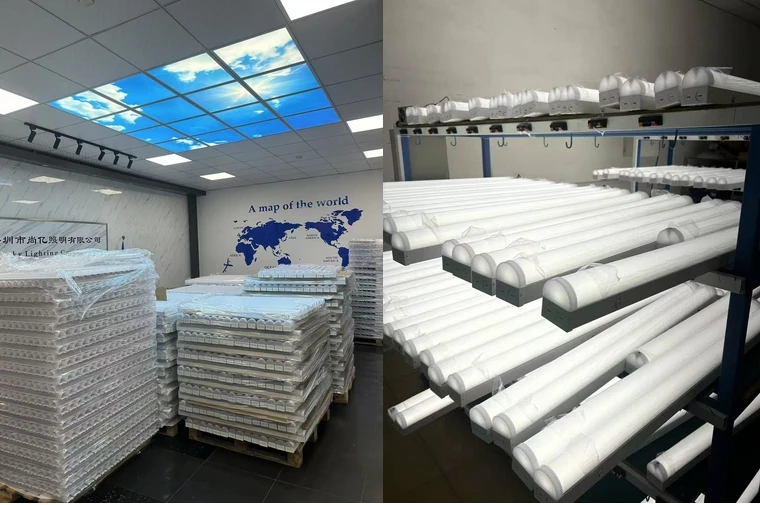
If you are sourcing lights for cold facilities or cold storage projects, worried about lamp malfunctions in low temperatures, condensation damage or failed inspections, and need professional low-temperature lighting solutions with strong adaptability and low maintenance, feel free to contact me. Specializing in overseas low-temperature lighting, I can match you with customized, compliant, durable and cost-effective lighting selections.





