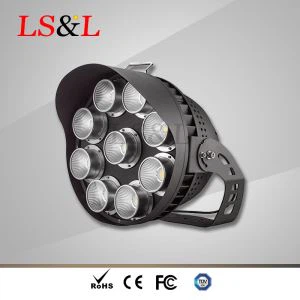
In this line of work, the question I get asked most often - right after price and lead time - is "Do you have all the certifications?" It sounds like just paperwork, but it directly determines whether goods clear customs smoothly and whether they can even enter a local government procurement catalog. As someone who's been through this process countless times, let me walk you through the mandatory certification requirements across different markets.
European Union: CE + RoHS Are Non-Negotiable
For exports to Europe, CE certification is mandatory, covering both the LVD (Low Voltage Directive) and EMC (Electromagnetic Compatibility) directives - you need both. RoHS compliance is also required, restricting the content of lead, mercury, cadmium, and other hazardous substances. For projects involving government municipal procurement, many countries additionally require ENEC certification, which involves a stricter review process than CE, including on-site factory audits covering manufacturing processes and raw material controls across the entire roadway LED lighting product line. This is also a key reference point European buyers use to judge whether a supplier has genuine Strict quality control capability.
North America: UL/ETL + FCC
For the US and Canadian markets, UL or ETL certification is mandatory. Both certifications test product safety across multiple dimensions, including shock protection, fire resistance, and structural strength. Additionally, products with smart control features - such as Smart outdoor light systems with remote dimming or light-sensing control - also require FCC certification, confirming that the wireless communication module won't interfere with other electronic devices. This certification process tends to take longer, so we generally recommend clients plan 3-6 months ahead to avoid delaying project delivery.
Australia and New Zealand: SAA Certification
Exporting to Australia and New Zealand requires SAA certification, which mainly tests electrical safety performance, covering insulation performance, IP protection rating, and impact resistance. It's worth noting that many Australian municipal projects have very strict IP rating requirements for street lights, typically demanding IP65 or higher - this is a key parameter we prioritize when designing LED engineering lighting solutions, as it directly affects whether a product can pass certification.
Middle East and Other Emerging Markets: SASO, G-Mark, and More
The Middle East market has grown fast in recent years. Saudi Arabia requires SASO certification, while some UAE projects require G-Mark certification. While these certifications aren't as widely known as CE or UL, their review standards are equally strict, covering energy efficiency ratings, luminous efficacy parameters, and lifespan testing. When handling Middle East orders, we always confirm the specific certification requirements for the target country with clients in advance to avoid shipment delays caused by missing certifications.
Behind Every Certification Is Strict Quality Control
At the end of the day, certification is just the outcome - what actually supports passing certification is a factory's day-to-day Strict quality control system: raw material inspection, production process controls, and pre-shipment aging tests, luminous efficacy tests, and salt spray tests for finished products, with documented evidence at every stage. This is exactly why experienced buyers don't just look at the certificate itself when selecting a supplier - they also request complete inspection reports and factory audit records.
Recommendations for Buyers
1. Identify your project's target country and region, and confirm the mandatory certification list in advance;
2. Request valid certification documents from your supplier, or an authorized verification link;
3. For products with smart features, confirm whether additional communication-related certifications are required;
4. Certification timelines can be long - plan your procurement schedule ahead to avoid delivery delays.
Conclusion
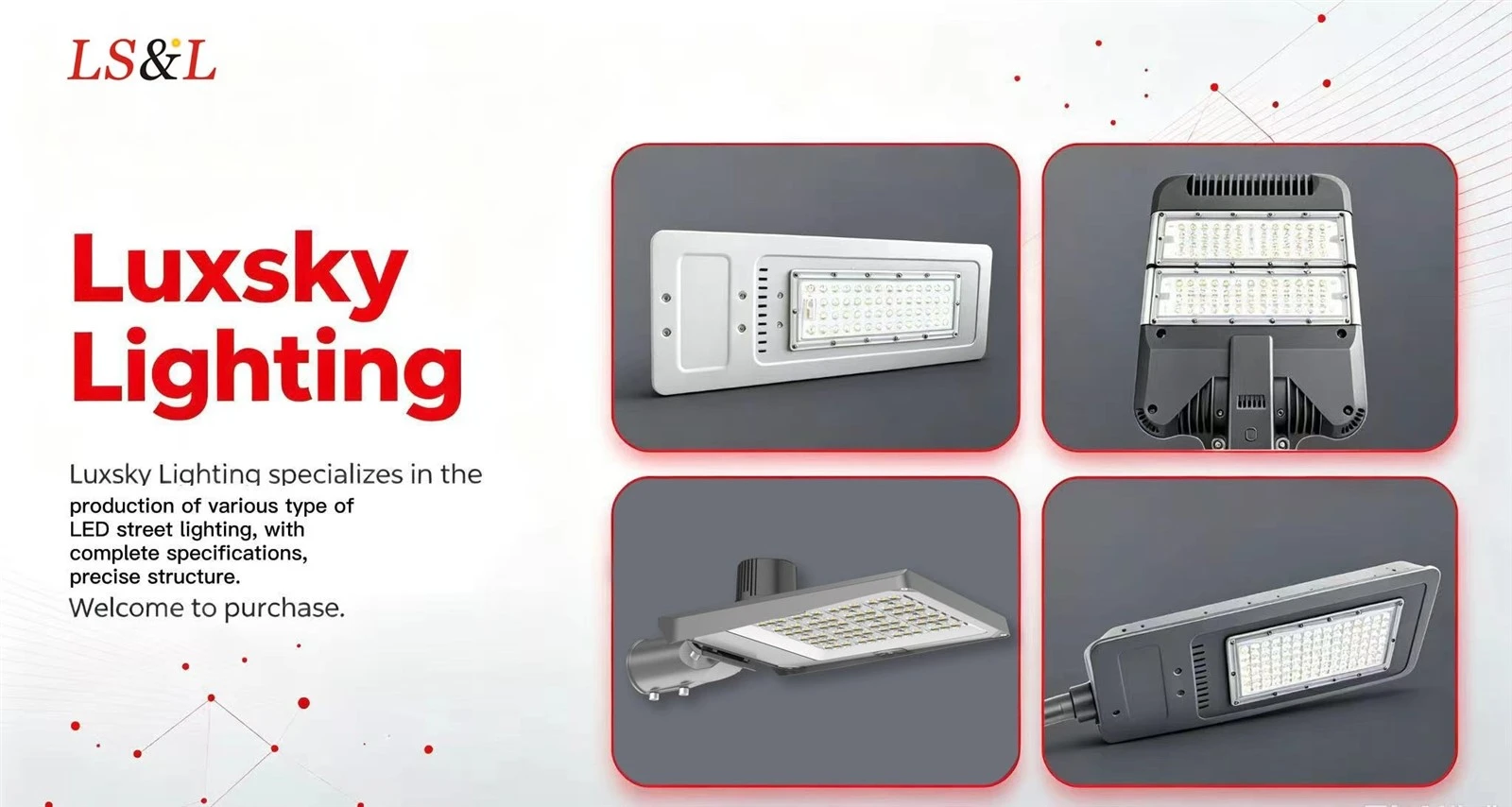
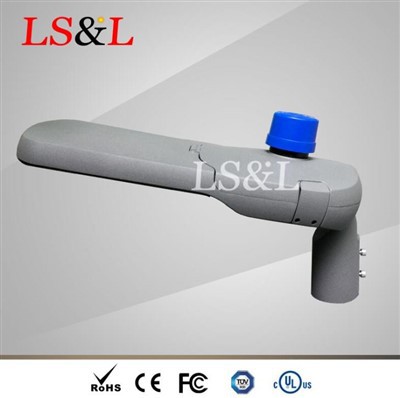
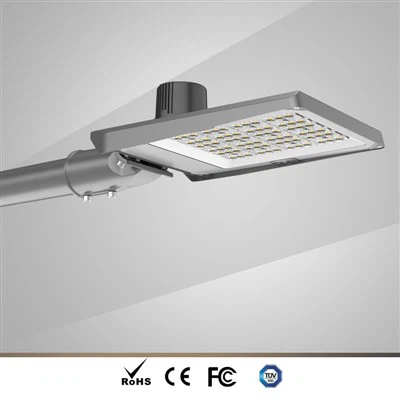
Certification isn't just a piece of paper - it's the most direct proof of a factory's long-term commitment to Strict quality control. Our Luxsky Lighting LED street light product line has already passed CE, RoHS, ENEC, SAA, SASO, and other international certifications, allowing us to quickly meet procurement requirements across major global markets.
If you're looking for a fully certified, quality-assured street lighting supplier for your project, feel free to contact Luxsky Lighting - we can provide the relevant certification documents and product solutions based on your target market.