After more than a decade in lighting exports, factory clients often ask which quality tests industrial tri-proof lights should actually pass. Marketing materials can look impressive, but real test reports are what matter. Here is a practical overview of the key tests based on field experience.
Ingress Protection (IP) Testing
This is the most basic and critical test. Industrial sites are dusty and humid, so fixtures should reach at least IP65. The test covers both dust and water resistance, simulating spray and dusty conditions found in real use.
Many projects specifically require an IP65 LED tri proof light to ensure the protection is genuine. Looking only at the claimed rating is not enough-ask for third-party or complete test reports.
Impact Resistance (IK) Testing
Workshops can involve collisions or vibration, so the housing and diffuser need adequate impact strength. IK08 or higher is common. The test applies a defined impact energy and checks whether the fixture is damaged or loses its protection.
Linear fixtures such as a weatherproof LED batten light used in aisles or on production lines also benefit from solid impact performance, reducing the risk of accidental damage.
Environmental and Aging Tests
Industrial sites often face large temperature swings and possible corrosive gases. Common tests include:
- Thermal cycling: verifies seal and material stability under temperature changes
- Salt-spray testing: evaluates corrosion resistance of the housing and hardware
- Aging tests: runs the fixture for extended periods to observe lumen depreciation and failures
These tests help reveal potential issues with seal aging or driver instability early.
Electrical Safety and Performance Tests
These cover high-voltage withstand, grounding resistance, and insulation resistance to ensure electrical safety. Photometric and colorimetric tests (such as LM-79 data) confirm efficacy, color temperature, and color rendering.
For weatherproof lights with emergency function, also verify emergency switch-over time and duration meet the required standards.
Practical Selection Advice
- Request key test reports for IP, IK, and related items
- Confirm the tests were performed on the complete fixture, not just components
- Pay special attention to salt-spray and thermal-cycling results for the actual site
- Compare the completeness and credibility of reports from different suppliers
Many clients report fewer failures after reviewing real test data before making a choice. Tests are not a formality-they are a key way to judge whether a product can handle industrial conditions.
From years of working with factory clients, I know the quality of industrial tri-proof lights ultimately shows in the test results. Checking protection, impact resistance, aging, and electrical safety gives a much clearer basis for selection.
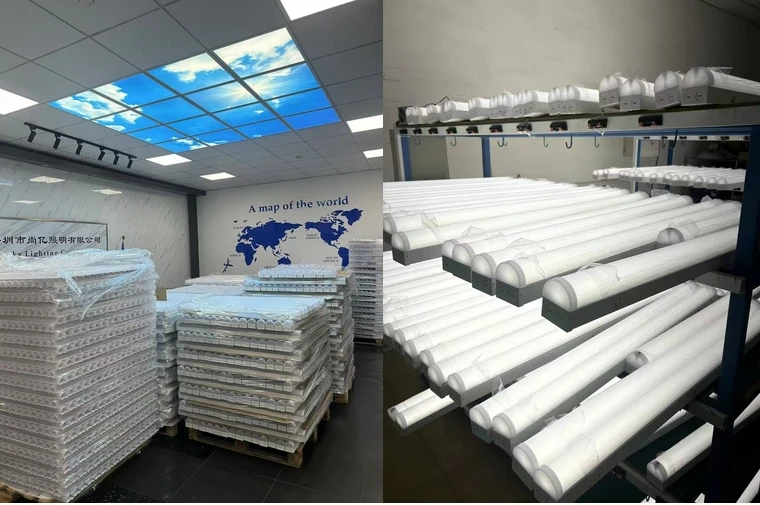
If you are confirming quality-test requirements for a factory project, share the operating environment and main concerns. I can help identify which tri proof lights offer more complete testing and make the selection more reliable. Solid test data lets industrial lighting perform with greater confidence.