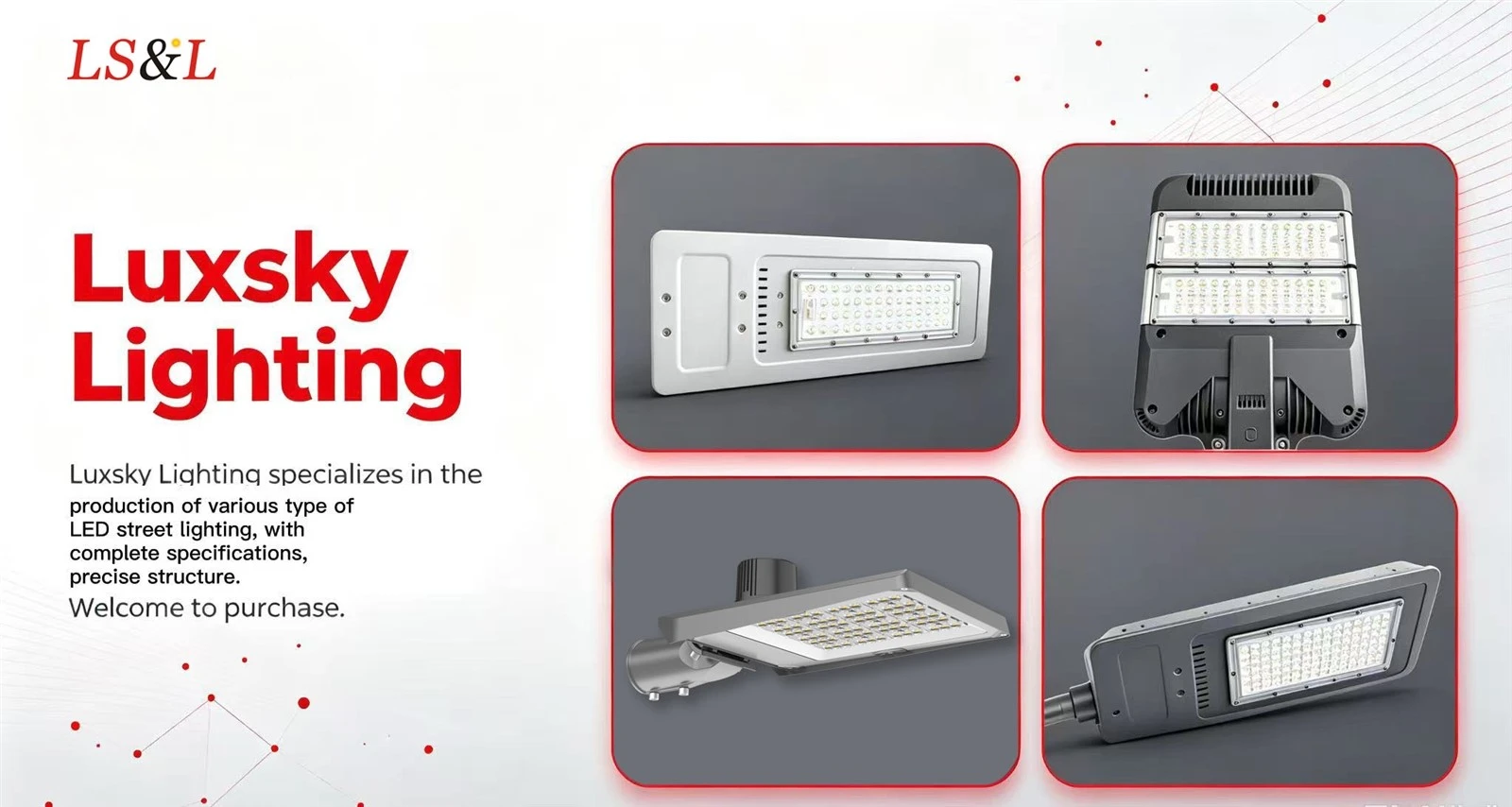
As an LED street light manufacturer with more than twelve years of export experience, I have supplied lighting to hospitals, logistics parks, campuses and industrial zones in the Middle East, Southeast Asia, Africa and South America. Smart lighting is now a common request, but I have also seen projects where the control system worked poorly after installation. A smart light is a fixture plus electronics, software and communication, so more things can go wrong if the planning is weak. In a hospital, where ambulances, patients and night-shift staff depend on the light, the planning must be even more careful. Here are the technical points I check with every customer.
Communication Method and Network Coverage
Choose the communication type before the fixtures. Common options are 4G, LoRa, NB-IoT, Zigbee and RF mesh, and each has different range, cost and signal behavior. A hospital campus has many buildings and metal structures that can block signals, so do a site signal test and plan the number of gateways. Ask what happens when the network goes down. A good system keeps the last schedule running locally, so the lights do not go dark during an outage.
Dimming Interface and Controller Compatibility
The fixture, driver and controller must speak the same language. Check whether the driver supports 0-10V, DALI or PWM dimming, and whether the controller is built in or installed on a socket. Good LED street lights for hospitals should come with a documented control interface, so you are not locked into one closed system. Ask for a small pilot test before ordering the full quantity, because compatibility problems are much cheaper to fix on ten poles than on two hundred.
Sensors, Software and Data Safety
Decide which sensors you need: a photocell for dusk and dawn, radar or PIR for motion, and perhaps power metering for energy reports. Check that the software is simple for your facilities team, supports zone and schedule control and sends fault alerts. Ask where the data is stored, who can access it and how user permissions work. A lighting network is part of the hospital's IT environment, so it needs password rules and proper security.
Power Supply, Surge Protection and Environment
Smart electronics are more sensitive than a simple driver. Plan stable power, correct cable size and low-resistance grounding for every pole. I recommend built-in surge protection of 6kV to 10kV, plus an external SPD in thunderstorm areas. Keep IP66 and IK08 as the minimum, and check that the controller is also well sealed and rated for high temperature. Heat, dust and lightning damage control modules faster than most buyers expect.
Safe Lighting Settings and Supplier Support
Smart control must never create dark spots. Keep ambulance routes, the emergency entrance and crossings at a stable, safe level all night, and apply dimming only to quiet areas, with a minimum level of about 30% to 50%. Use smooth ramps, because a driver can be dazzled, even for two seconds, if brightness jumps suddenly. Confirm the dimmed levels, glare and spill light toward patient rooms with a DIALux simulation using real IES files. Quality LEDs already save about 50% to 70% electricity compared with old sodium lamps, and smart control adds more, but only if the system stays reliable. These values are general references, so follow your local standard. Replacing one fixture on an 8-meter pole means hiring a lift, closing a lane and disturbing hospital operations, so I suggest an LED lighting supplier with 5 year warranty and a real factory behind it. As an LED lighting OEM manufacturer, we also customize wattage, beam angle, color temperature and branding for project buyers and distributors. Our quality standard includes:
- Branded LED chips and flicker-free dimmable drivers, 100% aging test before packing
- Die-cast aluminum housing, IP66 / IK08, 6kV to 10kV surge protection, CE and RoHS certified, with real IES files and test reports for DIALux design
When a customer asks me for a 5-year warranty, I can say yes with confidence, because we test before shipment, not after complaints.
Conclusion
Before installing smart LED street lights in a hospital, check the communication network, dimming compatibility, software and data safety, power protection and safe lighting levels. Our LED street lights are built with strict quality control, so they stay bright, stable and easy to manage for years.
If you are planning a new hospital project or upgrading an old one, choose Luxsky Lighting. Contact us today for a free DIALux layout and a competitive quote.