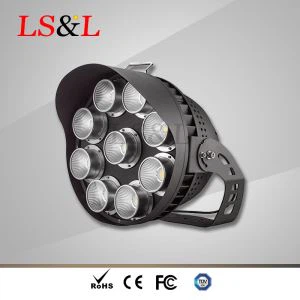
Having worked in the lighting export business for many years, I receive several inquiries about port road lighting almost every week, and the question I hear most often is: "For our port's internal roads, what wattage should we go with?" Honestly, there's no one-size-fits-all answer to this-it depends on the specific road conditions. Today, drawing on years of experience as a trade professional, let me break down the details for you.
Higher Wattage Isn't Always Better
Many customers start off by saying "just give me the highest power available," thinking higher wattage means brighter and safer. But in reality, port internal roads have completely different lighting requirements compared to main arterial roads or yard operational areas. Blindly opting for high wattage only leads to energy waste and can even cause light pollution that disrupts normal operations in surrounding areas.
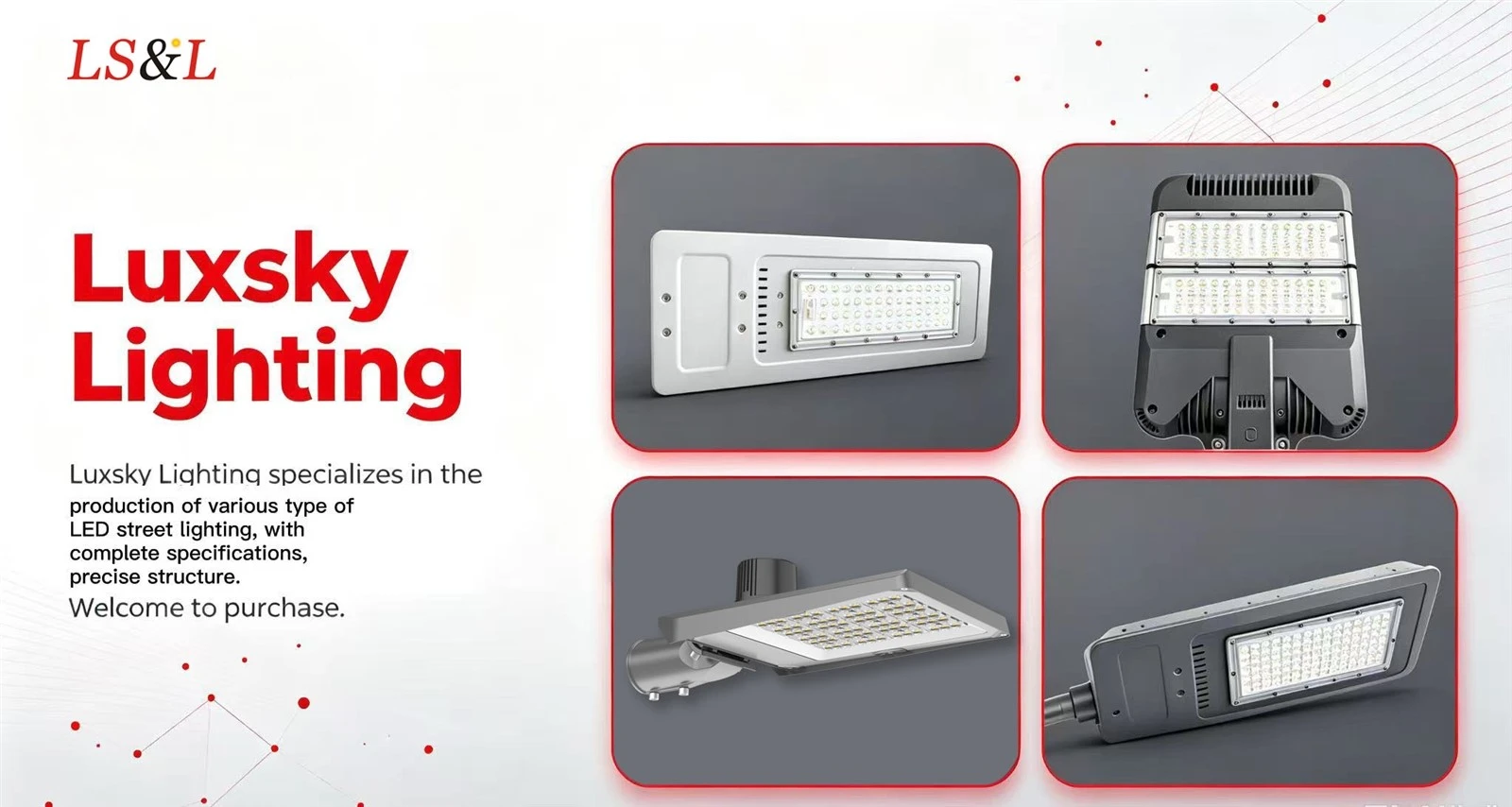
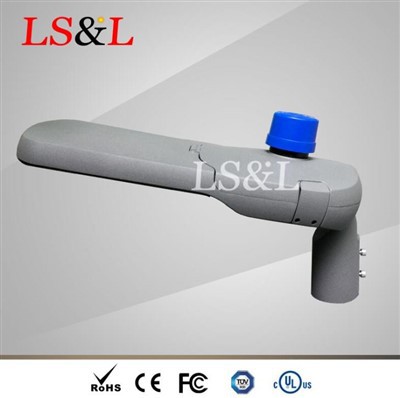
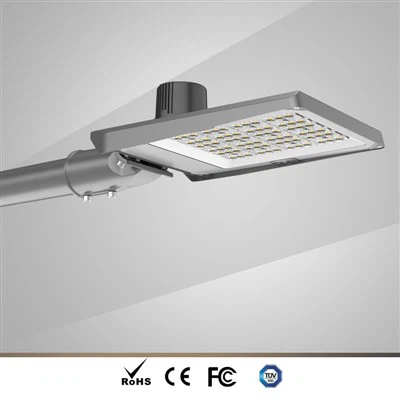
Port internal roads primarily serve vehicle traffic, truck movement, and pedestrian access, requiring far lower illuminance than yard operational zones. Generally speaking, port main internal roads can meet national or industry-recommended illuminance standards with 100-150W roadway LED lighting products, while secondary roads and access roads can even work with 60-100W. Of course, the exact wattage still needs to be calculated based on pole height, road width, traffic volume, and other factors combined-there's no blanket rule.
Key Factors That Determine Wattage
Over the years, helping customers design solutions, we typically confirm several data points first before giving a reliable power recommendation:
Road Width and Pole Height: For single-side pole layouts with 8-10 meter pole heights and road widths around 7-9 meters, 100-150W is generally sufficient. For double-side symmetrical layouts or wider roads, the wattage can be adjusted accordingly.
Road Classification and Traffic Density: Main roads with heavy traffic and relatively higher vehicle speeds require higher illuminance uniformity; secondary roads and access roads with lower traffic volume can use reduced wattage.
Local Illuminance Standards: Different countries and regions have varying regulatory requirements for port road lighting. Only when customers share their local standards can we precisely match wattage and beam distribution, avoiding two extremes-"failing to meet illuminance standards and needing rework" or "over-designing and wasting budget."
This is exactly why, when developing strict quality-control LED engineering lighting solutions, we always require detailed road condition data from customers rather than simply placing an order based on whatever wattage the customer states-after all, being accountable to the customer is the foundation of a lasting partnership.
Luminous Efficacy and Color Rendering Matter Just As Much
Wattage is just a surface-level parameter. When actually selecting fixtures, luminous efficacy (lm/W) and color rendering index (CRI) are equally important and shouldn't be overlooked. Two 150W fixtures with luminous efficacy of 120lm/W versus 160lm/W can have vastly different actual lighting performance, directly affecting whether illuminance requirements are met and impacting subsequent electricity costs.
We recommend customers not focus solely on wattage and price when selecting fixtures-it's essential to check the luminous efficacy specs, color rendering index, and whether third-party certification reports are available. These are the core metrics that truly determine lighting performance and service life.
Smart Dimming Makes Power Configuration More Flexible
In recent years, many port customers have started paying attention to intelligent lighting systems, especially the application of Smart outdoor lighting. Traffic volume on port internal roads isn't consistent throughout the night-late-night traffic drops significantly. Pairing fixtures with a smart dimming system enables:
- Automatic power reduction during late-night hours, cutting unnecessary energy consumption;
- Automatic brightness increase when vehicles approach, ensuring safe passage;
- Remote monitoring of fixture operational status, enabling prompt detection of faulty units.
- Smart dimming not only helps customers save on long-term electricity costs but also extends fixture lifespan-which is why we frequently recommend this direction proactively when designing port road lighting solutions.
Selection Recommendations for Customers
Based on years of project experience, here are a few recommendations for customers planning a port road lighting upgrade:
Provide detailed data on road width, pole spacing, and local illuminance standards;
Don't compare on price alone-prioritize luminous efficacy, color rendering index, and protection rating;
Prioritize suppliers with proven port project case studies;
Where feasible, opt for smart dimming systems, as the long-term benefits are substantial.
Conclusion
There's no fixed answer for what wattage LED street light to choose for port internal roads-it requires a comprehensive calculation based on road classification, pole height, traffic volume, and other real-world conditions. This is exactly why we've always upheld Strict quality control standards, providing customers with precise illuminance calculations and customized selection solutions, ensuring every dollar invested delivers maximum value.
If you're selecting the right products for a port road lighting upgrade, feel free to reach out to the Luxsky Lighting team. We're happy to provide free professional selection advice based on your site data.