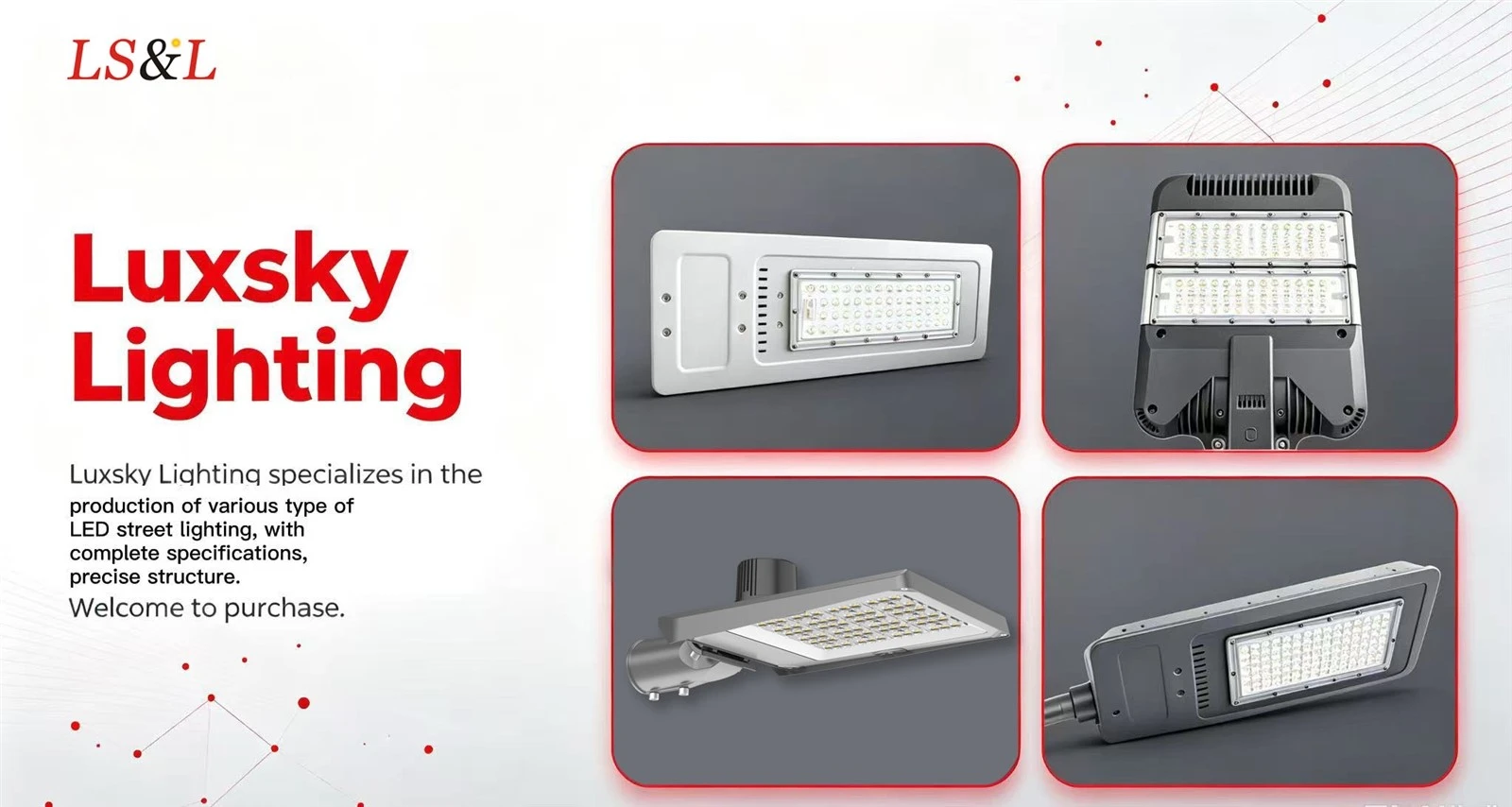
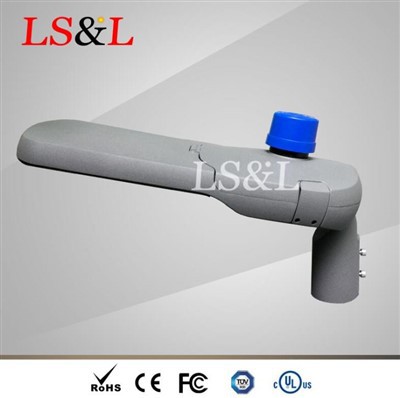
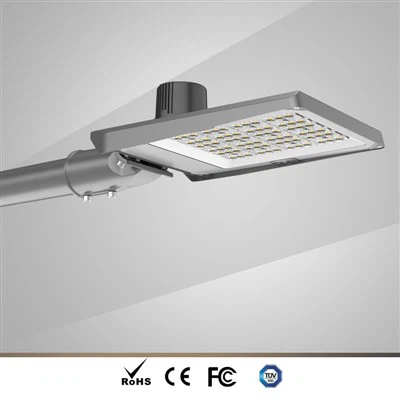
In LED street light projects, many overseas clients ask: Why are IES or LDT files mandatory? Aren't luminous efficacy and power parameters enough? As a seasoned foreign-trade professional with years of experience in the lighting industry, I can tell you clearly: without genuine IES or LDT files, optical design for the project can barely proceed, and final acceptance often runs into problems. Today, based on practical experience, I will explain this thoroughly.
What Exactly Are IES and LDT Files?
IES (Illuminating Engineering Society) and LDT (Eulumdat) are internationally recognized formats for luminaire photometric data. They record the luminous intensity distribution of a fixture at various angles and serve as the core input files for lighting design software such as DIALux and Relux. Simply put, without these files, designers cannot accurately predict the illuminance, uniformity, and glare performance of roadway LED lighting on real roads.
Why Municipal and Roadway Projects Rely Heavily on These Files
Foundation for illuminance simulation
Municipal roads have clear standards for illuminance uniformity and glare control. Only by importing genuine IES or LDT files can designers simulate actual performance under different pole heights, spacings, and road widths in software. Marketing claims like "high efficacy" or "excellent optics" cannot replace real data.
Verification that the product truly meets requirements
Under a rigorous quality-control system, companies practicing Strict quality control LED engineering lighting provide photometric files tested by third-party laboratories. These files directly verify whether the luminaire's light distribution matches project requirements and help avoid situations where "parameters look good but actual performance falls short."
Support for smart lighting scheme design
When a project requires Smart outdoor light functionality, photometric files remain essential. Changes in luminous intensity distribution under different dimming levels need to be evaluated through IES/LDT data to ensure that road safety requirements are still met after smart control is applied.
Reduction of later acceptance risks
Many countries' municipal acceptance processes require lighting calculation reports, and the core of those reports is the simulation results based on IES or LDT files. Incomplete documentation frequently leads to delayed acceptance or payment issues.
How to Judge Whether IES/LDT Files Are Reliable
Truly valuable files should have the following characteristics:
Generated by accredited laboratories or recognized testing equipment;
Matched one-to-one with the specific product model, not generic templates;
Directly importable into mainstream lighting design software;
Suppliers able to provide corresponding test reports or traceability information.
Experienced suppliers proactively offer complete and authentic photometric files rather than waiting for repeated requests from the client. This is also an important reference for judging whether a supplier truly possesses Strict quality control and LED engineering lighting capability.
Practical Advice for Overseas Procurement
During the inquiry or tender stage, it is recommended to explicitly include "provision of model-specific IES/LDT files" in the technical requirements. After receiving the files, a quick import into DIALux can be used for basic verification of light distribution and illuminance. For projects involving Smart outdoor light, request photometric data at different dimming ratios to ensure the scheme is complete.
Authenticity and traceability matter far more than quantity. Reliable roadway LED lighting suppliers treat photometric files as standard deliverables, not optional extras.
Conclusion
IES or LDT files are not optional attachments; they are the core basis for optical design, simulation verification, and final acceptance in LED street light projects. Without genuine photometric data, even a good luminaire cannot prove its actual performance.
We consistently uphold Strict quality control LED engineering lighting standards. From optical design through final inspection, every step is strictly controlled so that each roadway LED lighting and Smart outdoor light product is supported by authentic, complete, and ready-to-use IES or LDT files.
If you are currently procuring for an LED street light project, feel free to contact us to learn more about Luxsky Lighting's product solutions and full photometric documentation. Professional quality combined with reliable data support is the key to smoother project progress.