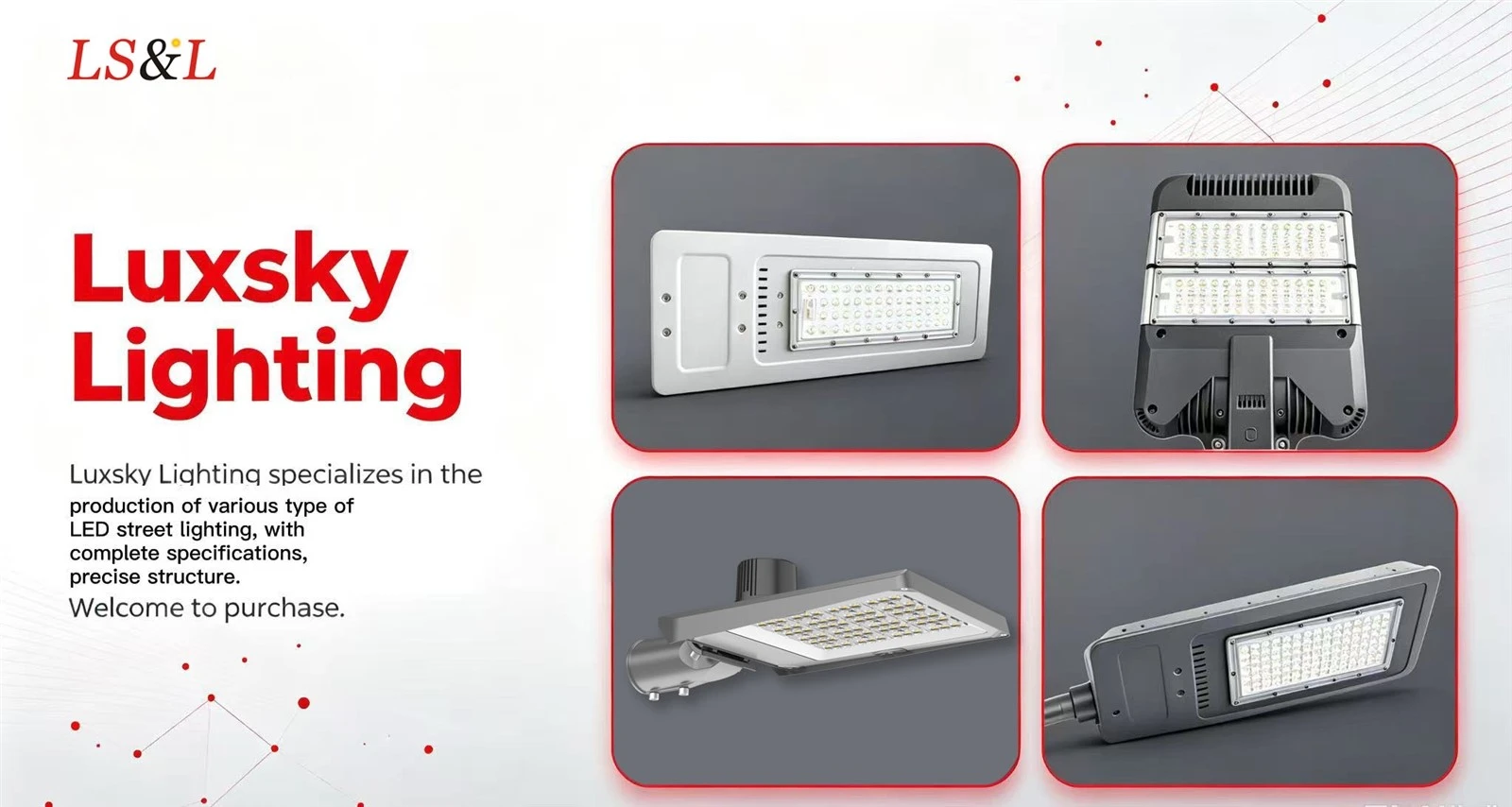
Having worked in the lighting export business for quite a few years, I regularly receive inquiries from port customers in the Middle East, Southeast Asia, and South America, and they almost all ask the same question: "Why has our metal halide lighting performance kept declining?" Honestly, there's a lot behind this question. Today, let me share some insights from an experienced trade professional's perspective on container yard lighting.
Yard Lighting Is Not Something Ordinary Street Lights Can Handle
Container yards are completely different from regular roads or industrial sites. Yards cover large areas, with container stacking heights typically at 4-6 layers or even higher, and cranes and gantry cranes operate frequently at night. The requirements for illuminance, color rendering, and glare control far exceed those of typical roadway LED lighting applications.
Many customers initially go for cheaper options, using ordinary road lights to get by, only to run into problems within a year: severe light decay, poor color rendering making container number recognition difficult, uneven light spots creating operational blind spots, and even premature aging due to inadequate heat dissipation design in high-temperature, high-humidity port environments. We've seen customers fall into these traps plenty of times over the years, so now whenever a customer asks about solutions, I always emphasize upfront-yard lighting must use professional-grade, high-power fixtures with high protection ratings. There's no room for compromise.
Why Must It Be High-Power LED?
Large Coverage Height and Span: Yard light poles are typically 25-40 meters tall. Ordinary low-to-medium power fixtures simply cannot reach the bottom container areas, easily creating illuminance blind spots that affect loading/unloading safety.
High-Intensity Operations Demand Durable Equipment: Port environments have no shortage of salt spray, dust, and humidity. Fixtures need at least an IP66 protection rating, and the heat dissipation structure must be specially designed-otherwise, fixtures running at high power will quickly experience light decay and shortened lifespan.
Color Rendering and Glare Control Are Critical: During nighttime crane operations, operators need to accurately identify container numbers and judge distances. Insufficient color rendering index or poor glare control directly impacts operational efficiency and even creates safety hazards.
This is exactly why we've consistently maintained Strict quality control LED engineering lighting standards for our yard lighting product line-from chip selection and driver aging tests to complete fixture high- and low-temperature shock and salt spray testing, no step can be skipped. What customers are buying isn't just a light fixture; they're buying 5-10 years of reliable operational assurance.
Smart Outdoor Light: Making Yard Management Easier
Over the past few years working with port and logistics park customers, I've noticed growing attention isn't just on "brightness" but on "manageability." This is why intelligent systems are becoming the new trend in yard lighting.
The solutions we now recommend to customers typically include Smart outdoor light control systems, enabling:
- Zone dimming with automatic power reduction during off-peak hours, achieving over 30% energy savings;
- Remote monitoring of fixture operational status with early fault warnings, reducing manual inspection costs;
- Integration with operational schedules for on-demand lighting, avoiding the waste of "all lights on" approaches.
For 24-hour port operations where energy costs represent a significant portion of expenses, the long-term savings from smart lighting systems often matter more to customers than the initial fixture procurement cost. This is also something we proactively bring up when discussing solutions with customers-after all, thinking from the customer's perspective on total cost is exactly the attitude we should have after all these years in foreign trade.
Selection Advice: Don't Just Look at Spec Sheets
Many customers like to send over a spec sheet for price comparison when requesting quotes, but honestly, for engineering projects like yard lighting, wattage and lumens alone aren't enough. I'd recommend customers focus on confirming these key points during selection:
The fixture's heat dissipation structure and materials (die-cast aluminum vs. ordinary stamped parts make a huge difference in lifespan);
Driver brand and surge protection rating;
Whether third-party certification reports are available (TUV, SGS, DLC, etc.);
Whether the manufacturer has reference cases from similar port/yard projects.
These details are often what determines whether a lighting project can truly last 8-10 years.
Conclusion
Port container yards present complex, high-intensity operating environments that demand far more from lighting systems than typical applications-which is exactly why we've always held to strict quality control standards in crafting every LED engineering lighting product, from material selection and testing to smart control system integration, ensuring customers can use our products with confidence for the long haul.
If you're looking for a reliable lighting solution for your port, yard, or logistics park, feel free to reach out to the Luxsky Lighting team. We're happy to provide free professional illuminance planning and product selection advice based on your site conditions and operational needs, so every dollar you invest delivers maximum value.